
Have You Heard of Play to Lose & Play to Lift in larp?
Most games are built around winning. LARP is built around something better.
In competitive games, the contract is simple: learn the rules, outmanoeuvre your opponent, take the win. It's clean, satisfying, and makes complete sense. LARP operates differently. Not because winning doesn't matter, but because the experience everyone walks away with matters more.
Two techniques from the Nordic LARP scene get to the heart of what that means: play to lose and play to lift. Whether you've heard of them or not, they're worth understanding.
Play to Lose
The name is a little misleading, so it is worth being precise about what it actually means.
Your character always plays to win. They don't want their secret discovered, their plan foiled, their reputation destroyed. They fight for exactly what any person in their situation would fight for. That never changes.
Play to lose is something the player does, not the character. It's the choice, as the person behind the character, to look for opportunities to let your character fail in ways that create better drama for everyone in the room.
As the Nordic Larp Wiki defines it: play to lose is a technique used by a player to create better drama by not trying to win, allowing their character to lose — used in collaborative rather than competitive play.
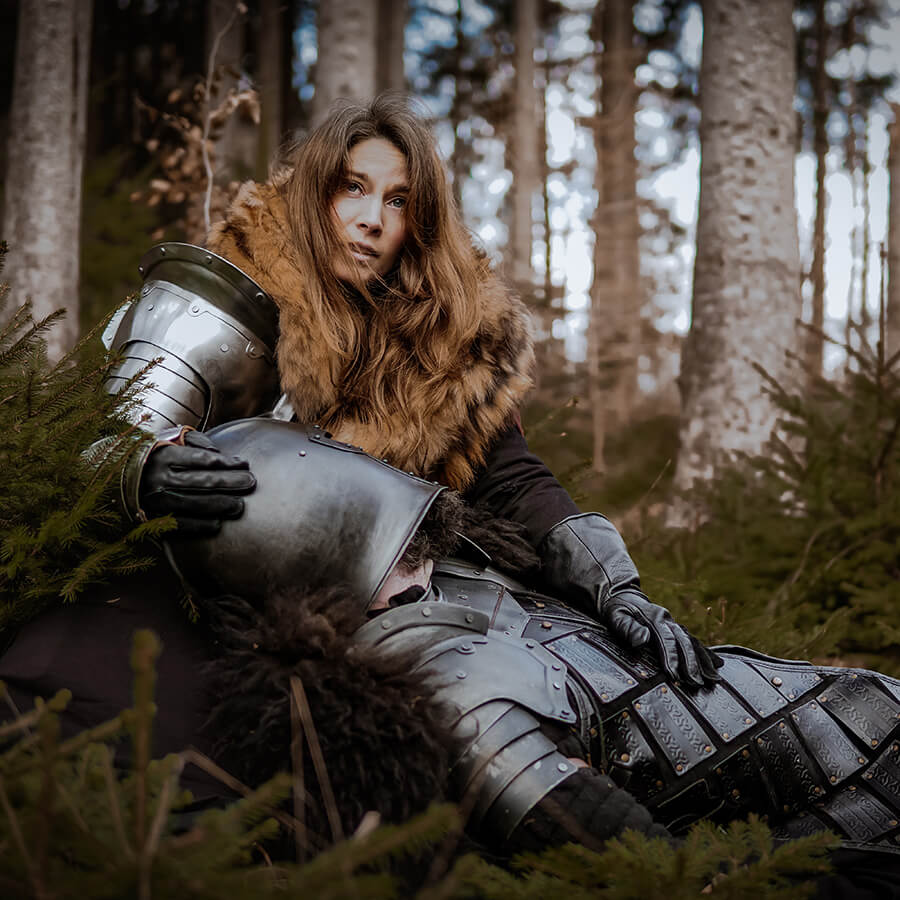
What Does It Look Like in Practice?
- Your character has a secret they're desperate to protect. In the middle of a heated argument, you let it slip, because the moment is right, and the drama it creates is worth more than the secret was.
- A unit on the battlefield reads the situation, sees that the story calls for a defeat, and breaks convincingly rather than grinding out another ten minutes of futile resistance.
In both cases: the character tried to win. The player chose the ending that served the experience.
Play to lose is not passivity. It's not rolling over or refusing to engage. It's an active, generous choice to prioritise the shared story over your own position within it. You hold two things at once: your character's genuine desire to succeed, and your own willingness as a player to let them fail at the right moment.
Play to Lift
If play to lose is about what you're willing to give up, play to lift is about what you actively create for the people around you.
The idea: the responsibility for your character's dramatic moments doesn't rest solely on you. It rests on everyone. Your co-players are there to lift you: to create the conditions in which your character's story can happen, to give you the wins and losses your narrative needs, even when you couldn't engineer them yourself.
This matters more than it might first appear. It's much easier for someone to lose than to win. And it's much easier for me to give you a win than for you to carve one out on your own. If we both want a particular dramatic moment to happen, the most reliable way to get there is for me to lift you toward it.
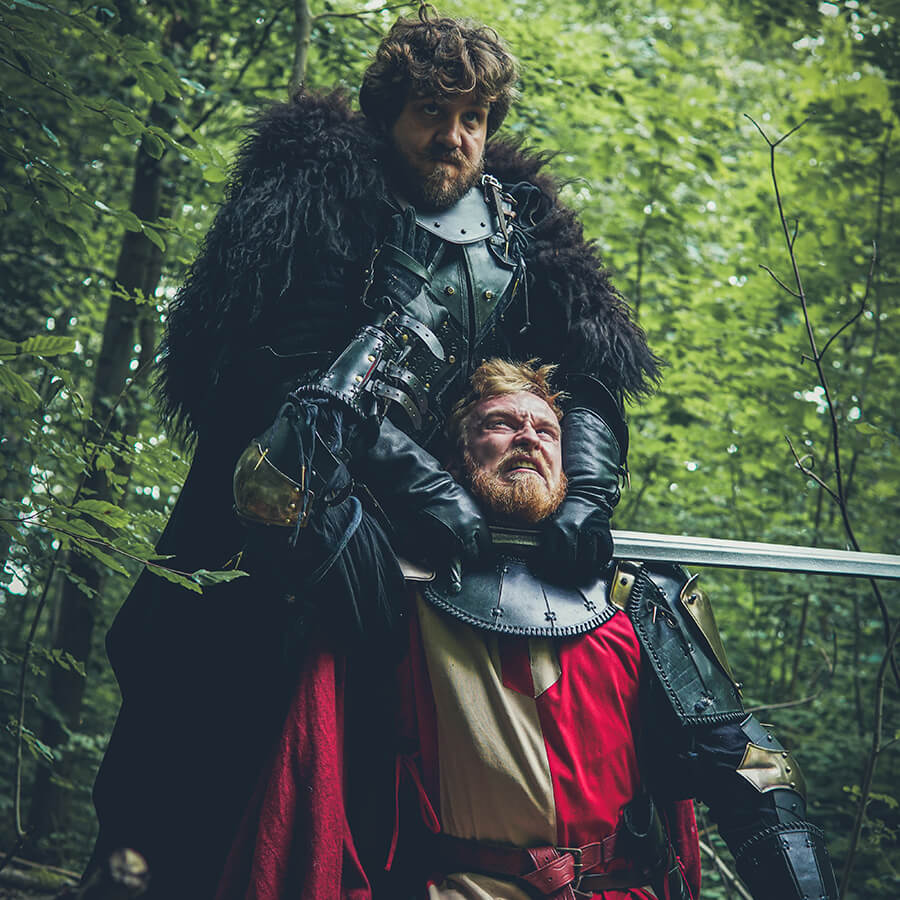
A Win for the Player Isn't Always a Win for the Character
If your character is meant to fail publicly and humiliatingly, the way another player lifts you is by booing you off the stage. They're reading what your story needs and actively providing it.
- The character loses.
- The player wins.
- The scene becomes something worth remembering.
Play to Lift Prevents Play to Lose From Becoming Miserable
A common worry when people first hear about play to lose: won't everyone just make their characters as wretched as possible, with no payoff?
Not when play to lift is present alongside it. If you trust that the people around you will lift you toward the moments your story needs, you can afford to lose freely. You don't have to clutch at every advantage, because your co-players have your back.
The Social Contract Underneath Both Techniques
Play to lose and play to lift aren't really techniques in isolation. They're expressions of a deeper agreement: everyone in the game shares responsibility for the quality of the experience, not just their own corner of it.
This is what makes them powerful when they work, and fragile when they don't.
Both concepts depend on enough players operating by the same implicit understanding to create "LARP magic". When that happens, something shifts in the texture of the whole event:
- Scenes become richer
- Moments land harder
- Stories go places they could never reach if everyone was protecting their own position
When that shared understanding is absent, play to lose just feels like losing, and play to lift doesn't happen at all.
Like most things in LARP, it gets better with practice. You learn to read what the people around you need. You get better at sensing when a moment is ripe for a loss, and when it's your turn to step forward and hand someone else a win. You'll step on each other's toes sometimes. That's fine.
The point is to keep dancing.
Read more

6 more LARP costumes you can build with Epic Armoury gear
Visual appearance in LARP is important, it helps to distinguish characters among each other and allows you to stun everyone with your fancy attire. Epic Armoury offers the tools to build immersive,...
Read more
If you've ever sat around a campfire at a LARP event: wooden bowl in hand, horn cup by your side, you know how much the right tableware changes the experience. Authentic dining gear doesn't just ma...
Read more