
Face paint offer: Buy 3, get the 4th for free!
Add 4 Epic Effect Water Based Make Up colors of your choice to your cart and get 1 of them for free.






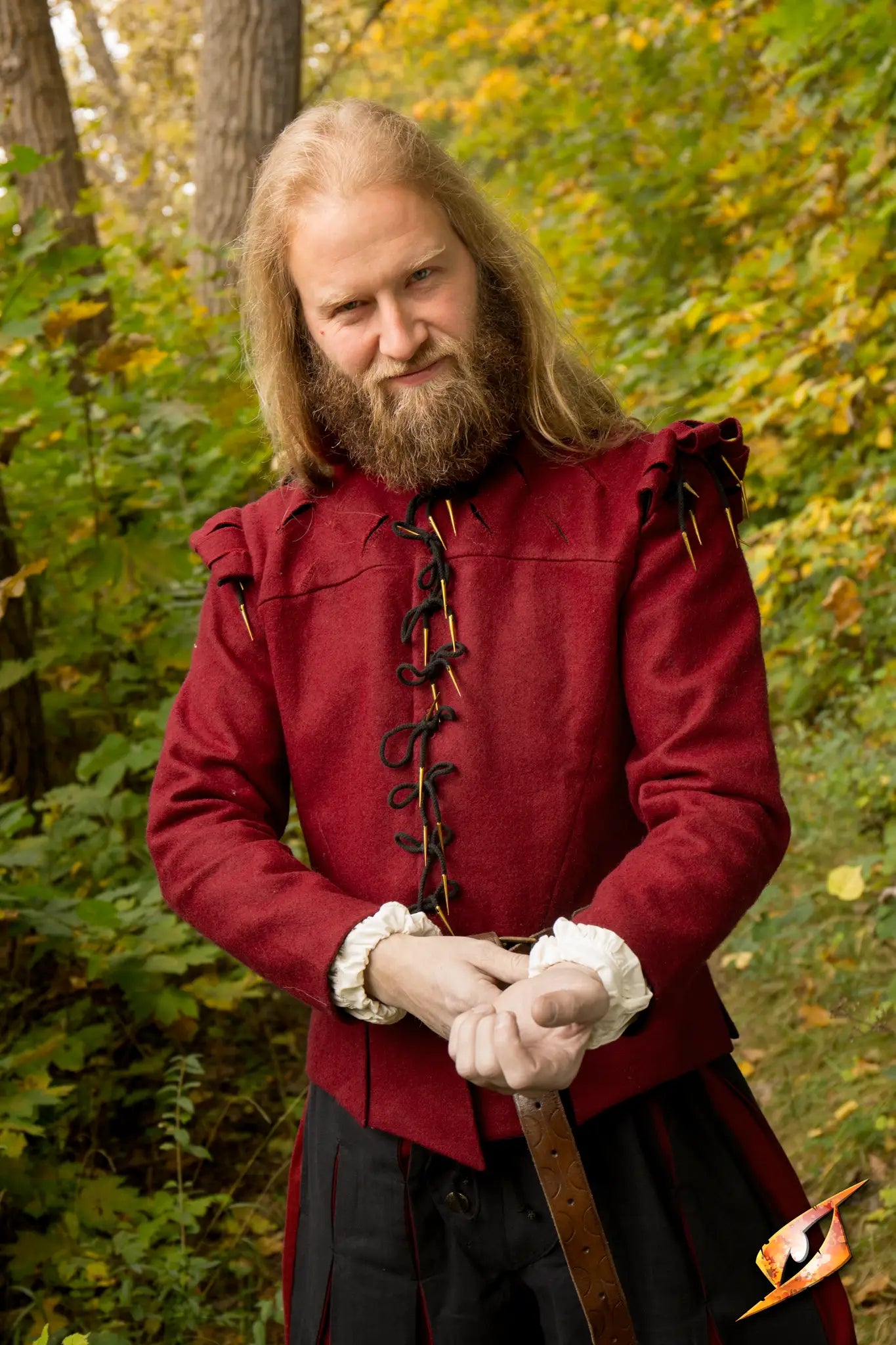
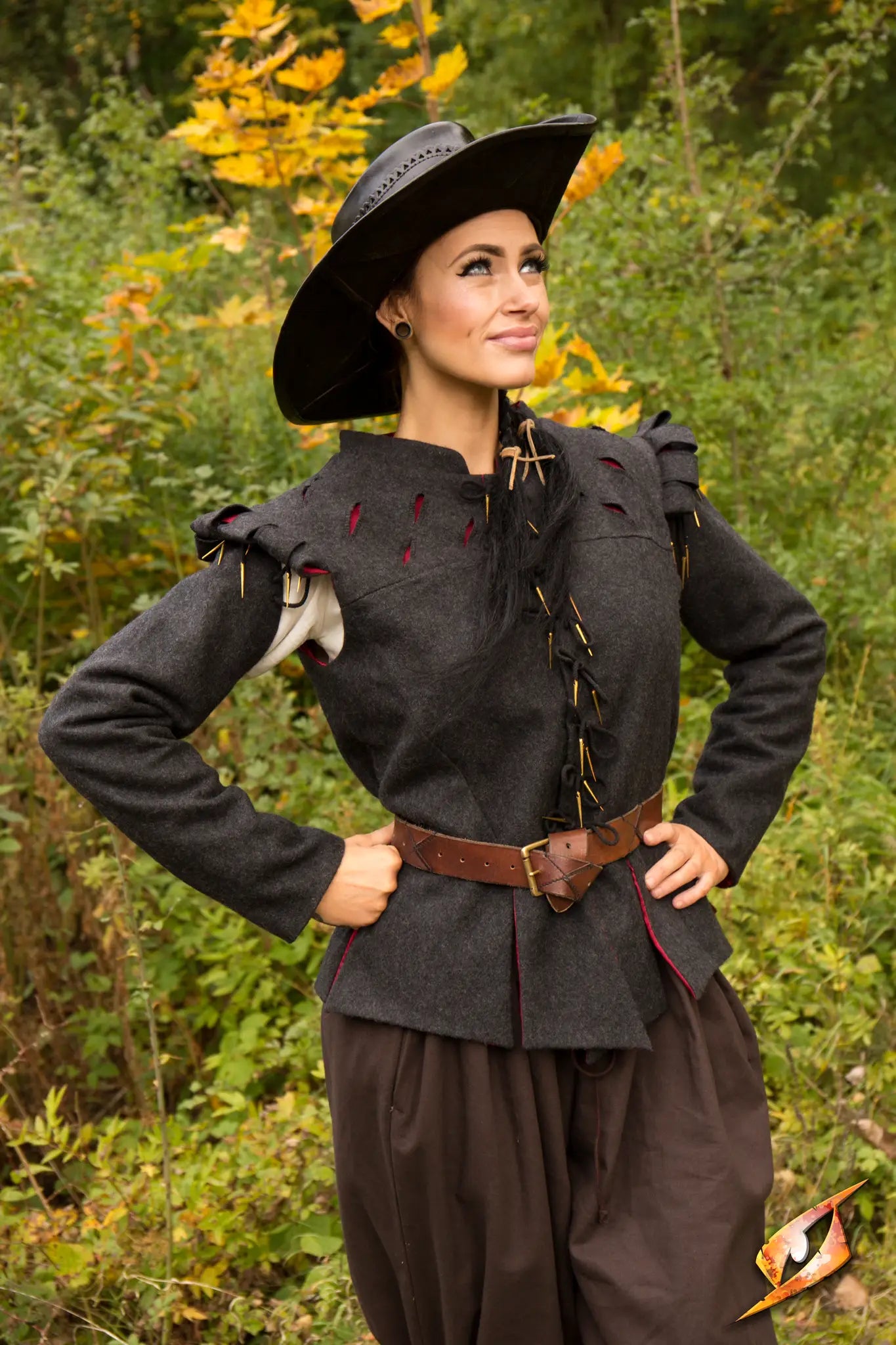
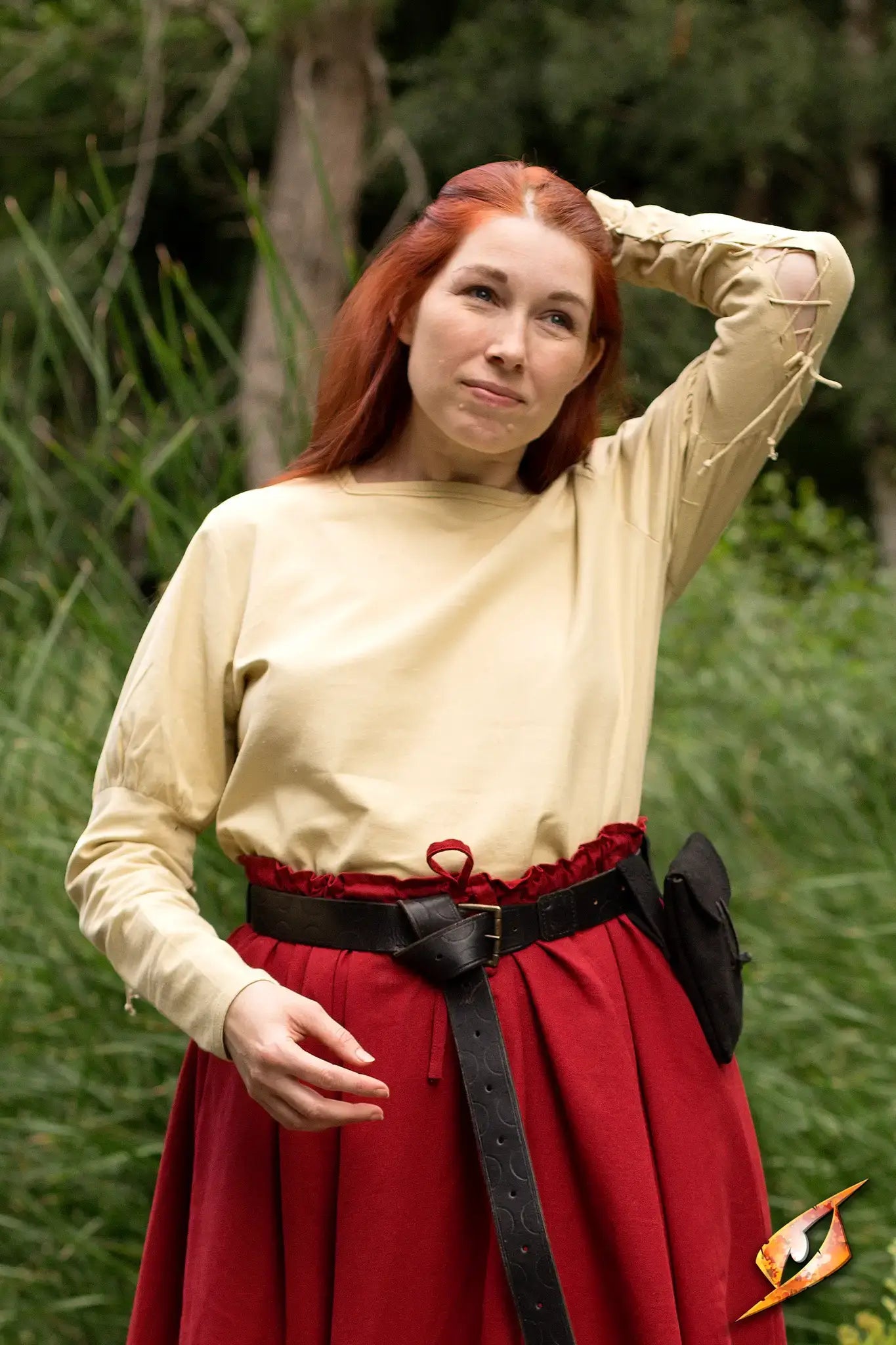

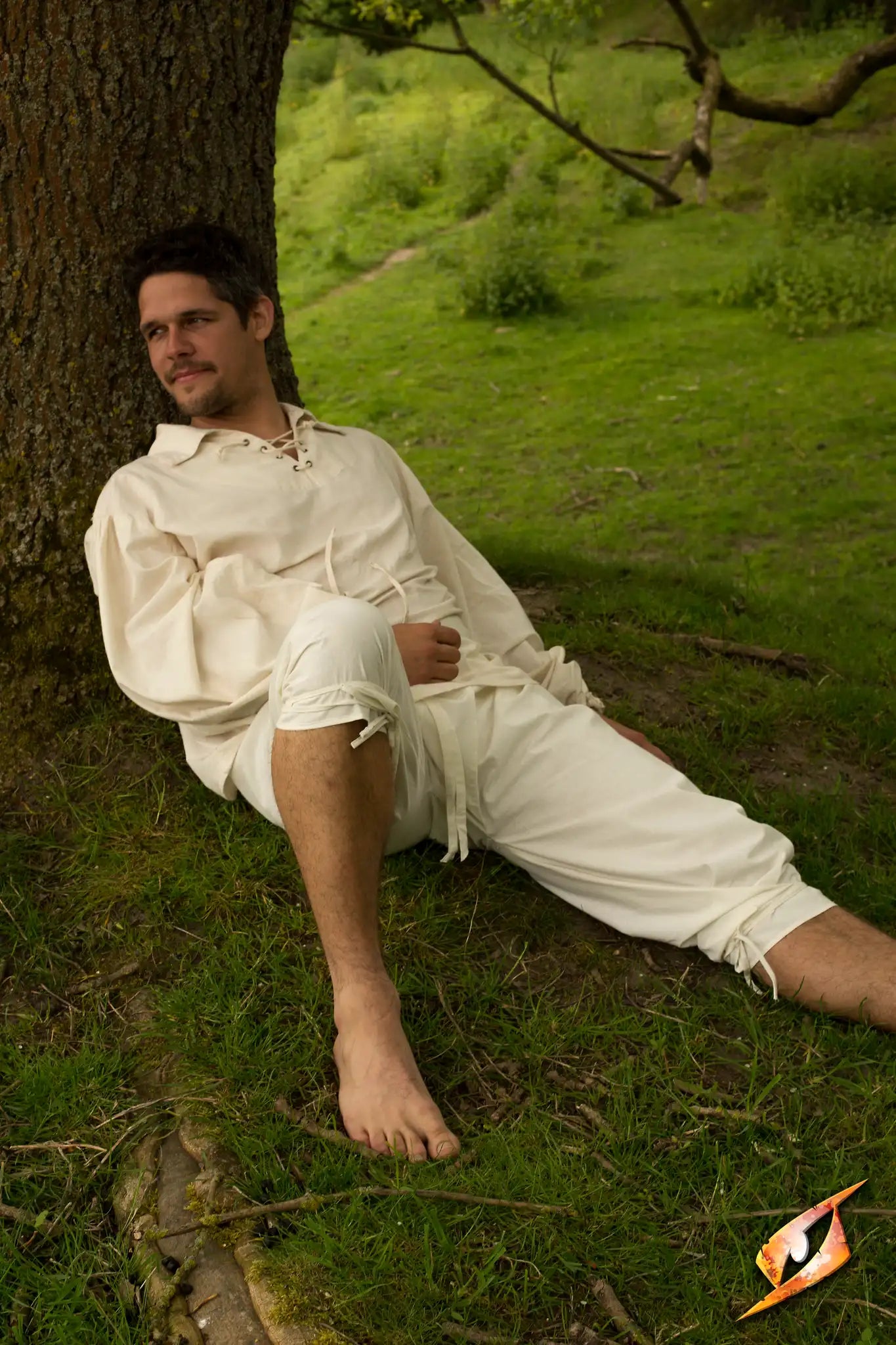



Recently viewed products
Mens Pirate Costumes
From Deckhand to Captain
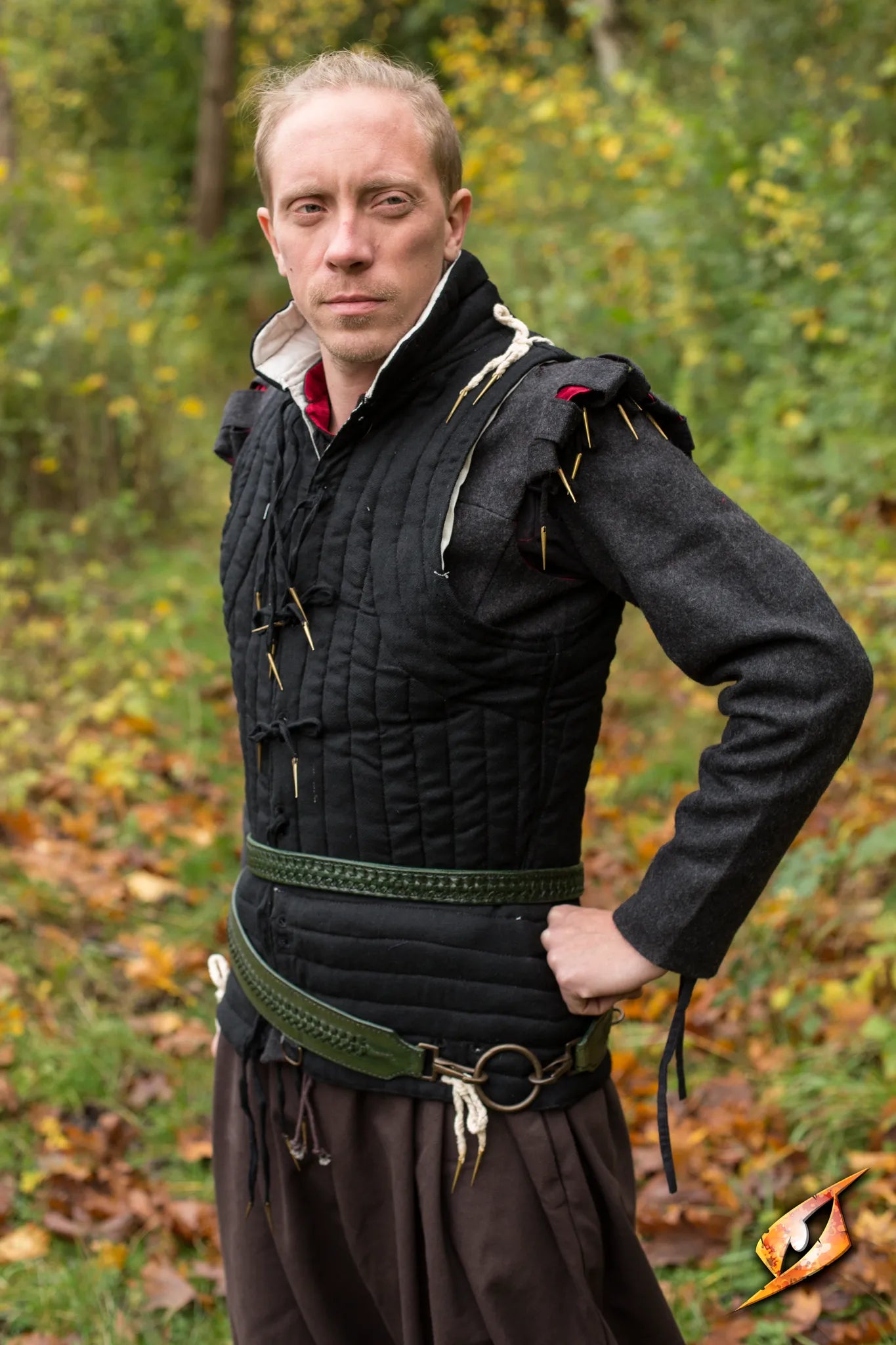
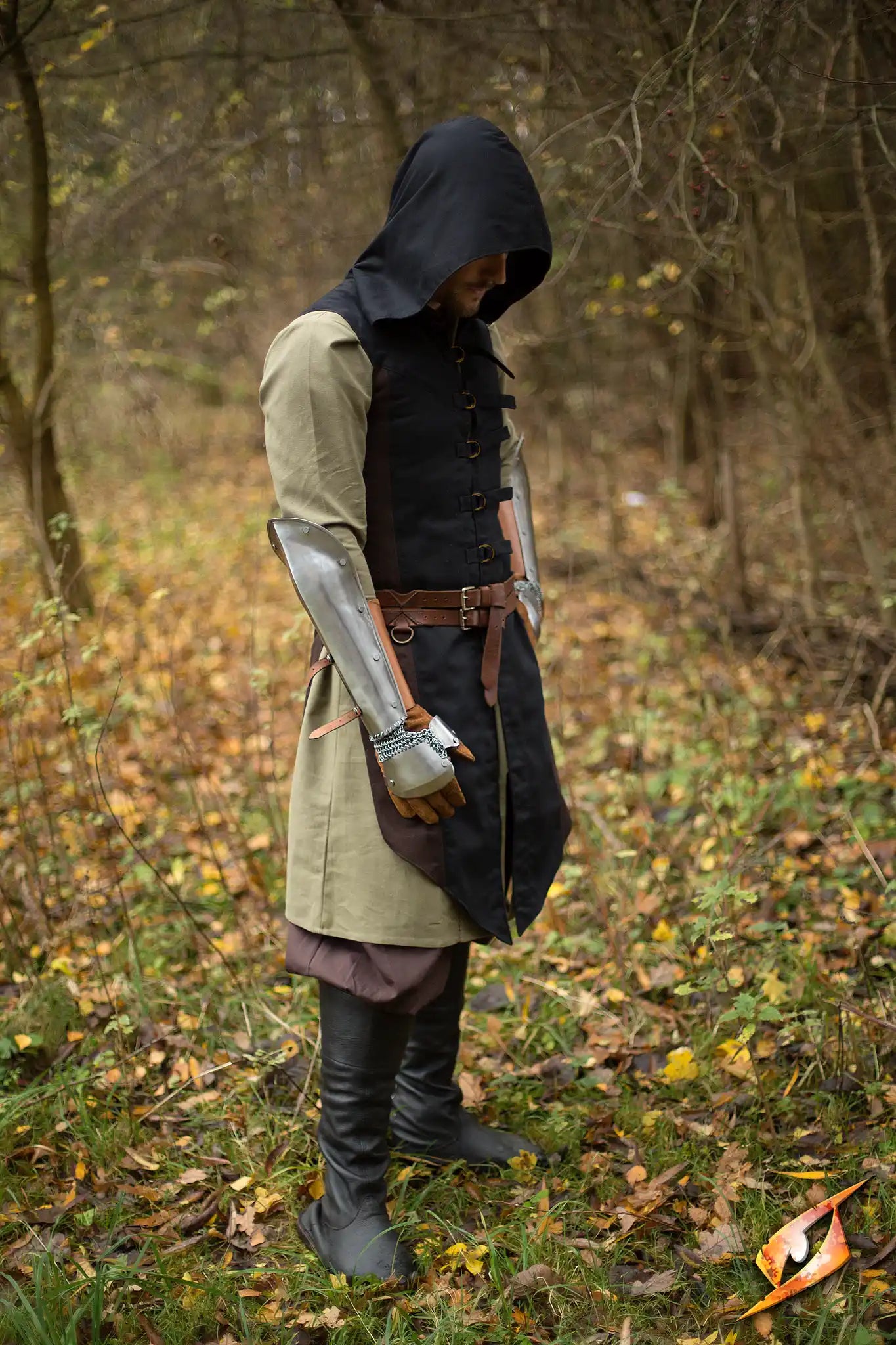
A mens pirate costume is a layered outfit built on a loose shirt and a belted waist, extended with a vest, doublet, or coat and finished in leather. Every piece here is a real garment in cotton, canvas, and full grain leather, cut for a full day of hauling rope, fighting boarding actions, and holding court in the tavern, and made to combine with Epic Armoury armor and weapons when your character fights. Buy once, wear it through LARP campaigns, Renaissance faires, festivals, and stage work, season after season.
The Pieces That Build the Look
-
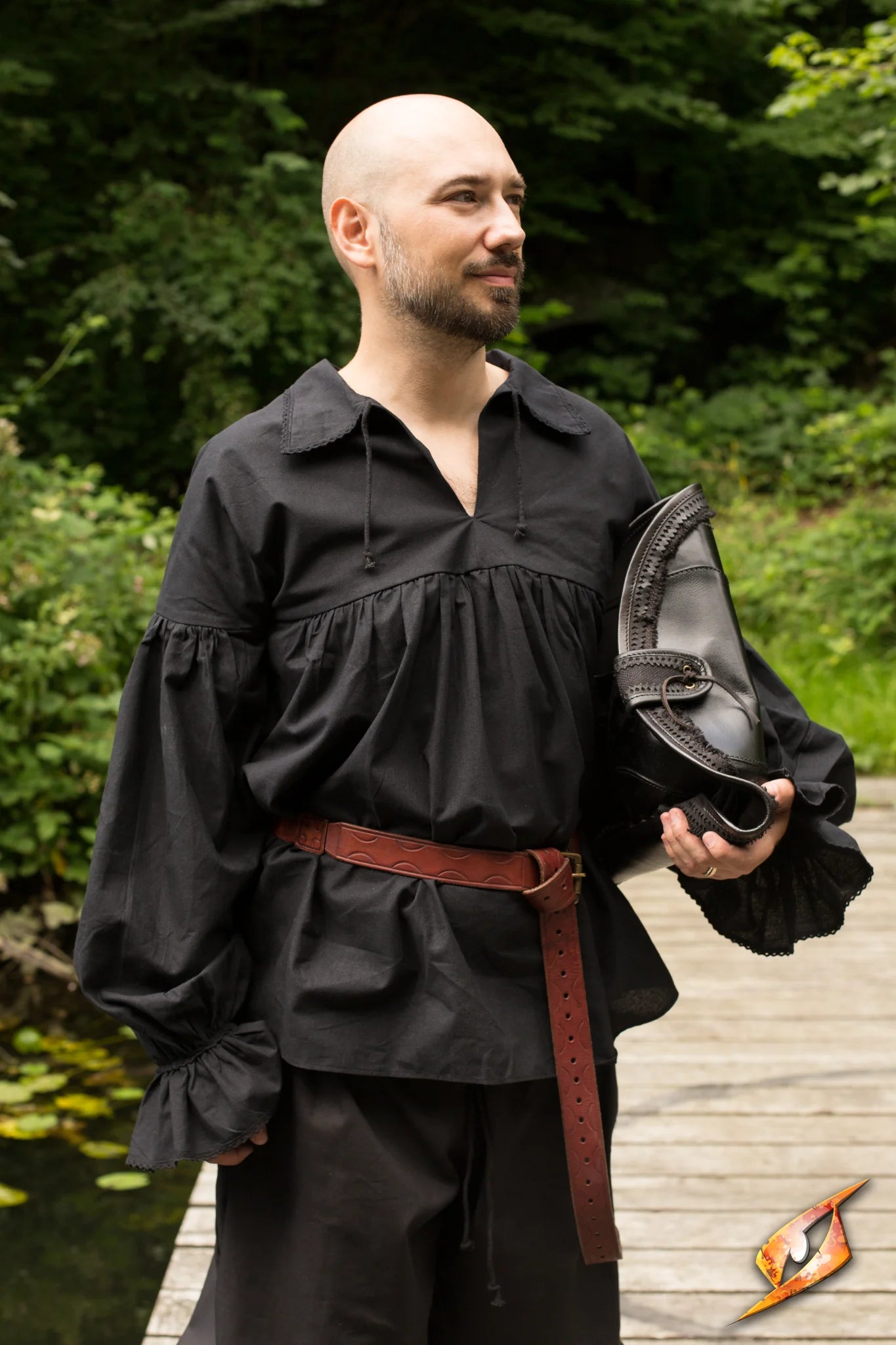
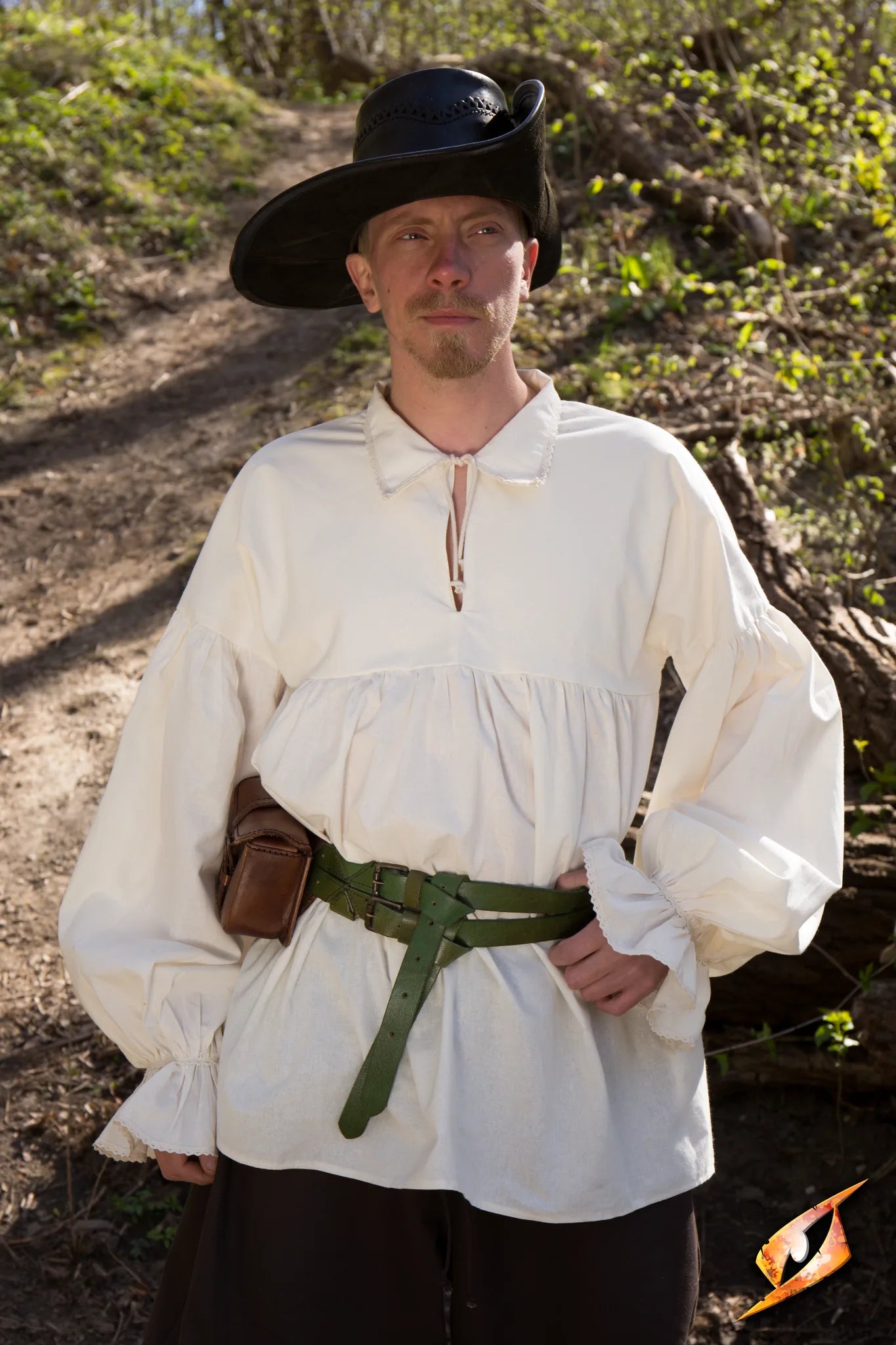
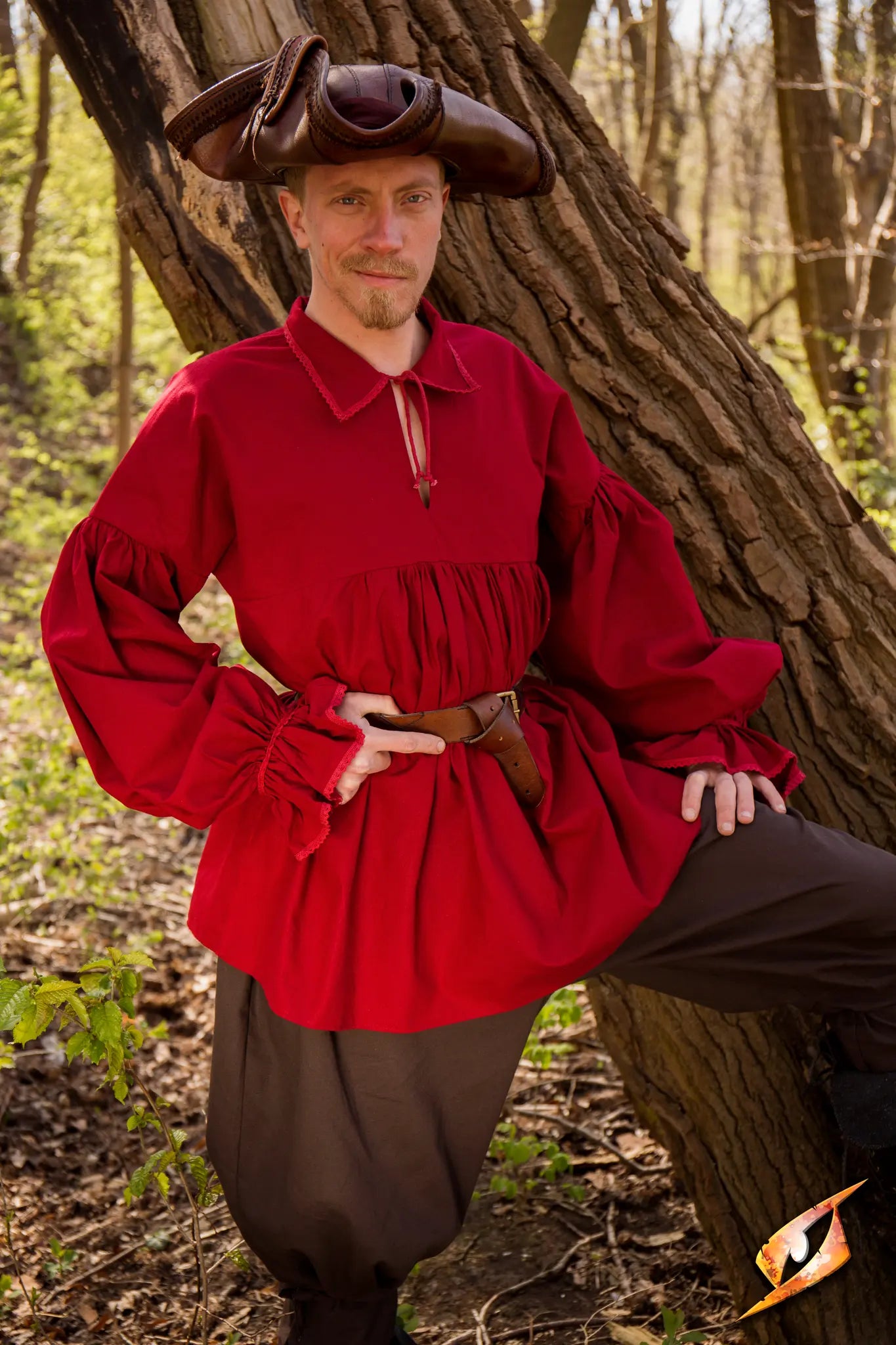
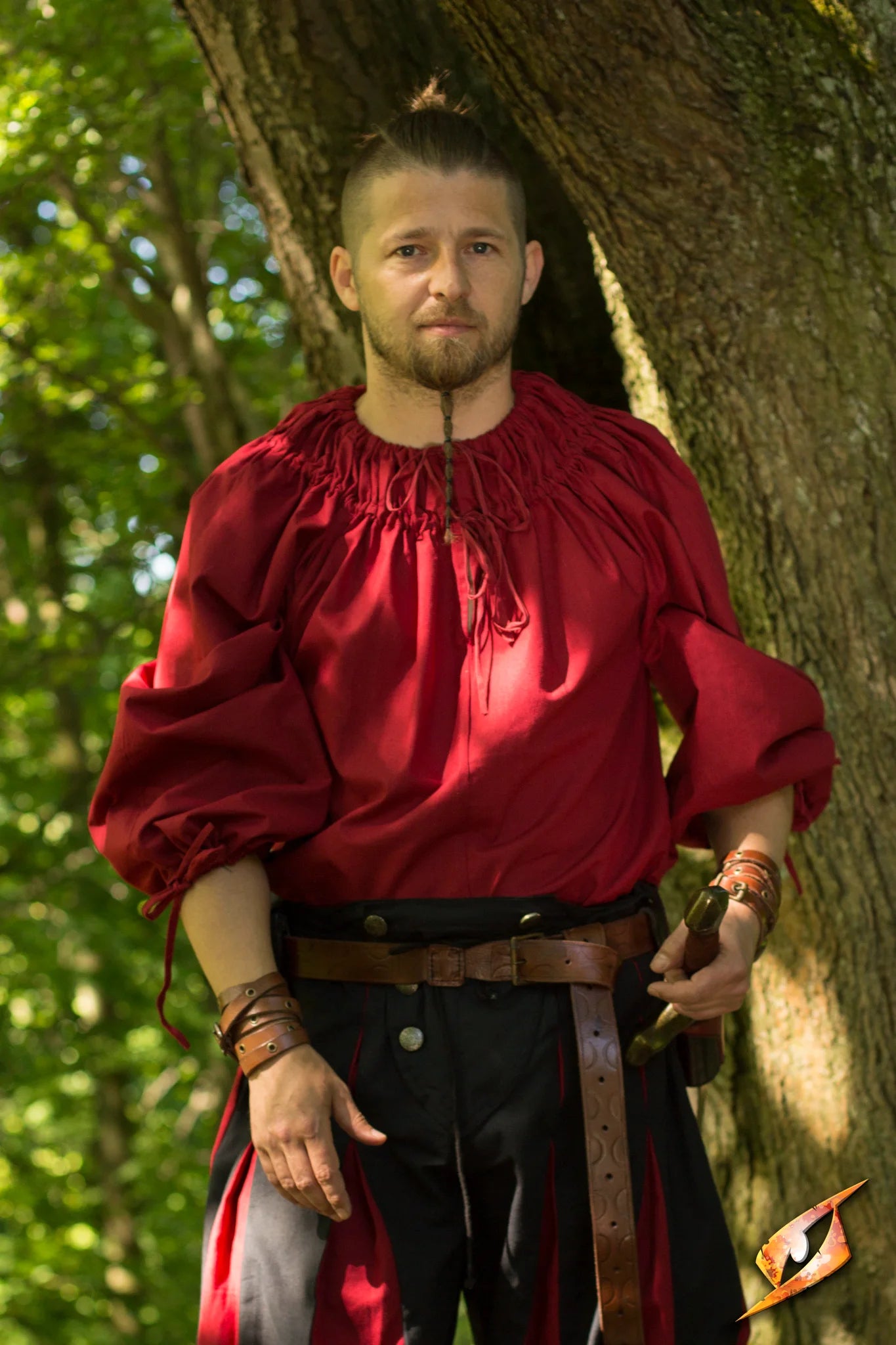
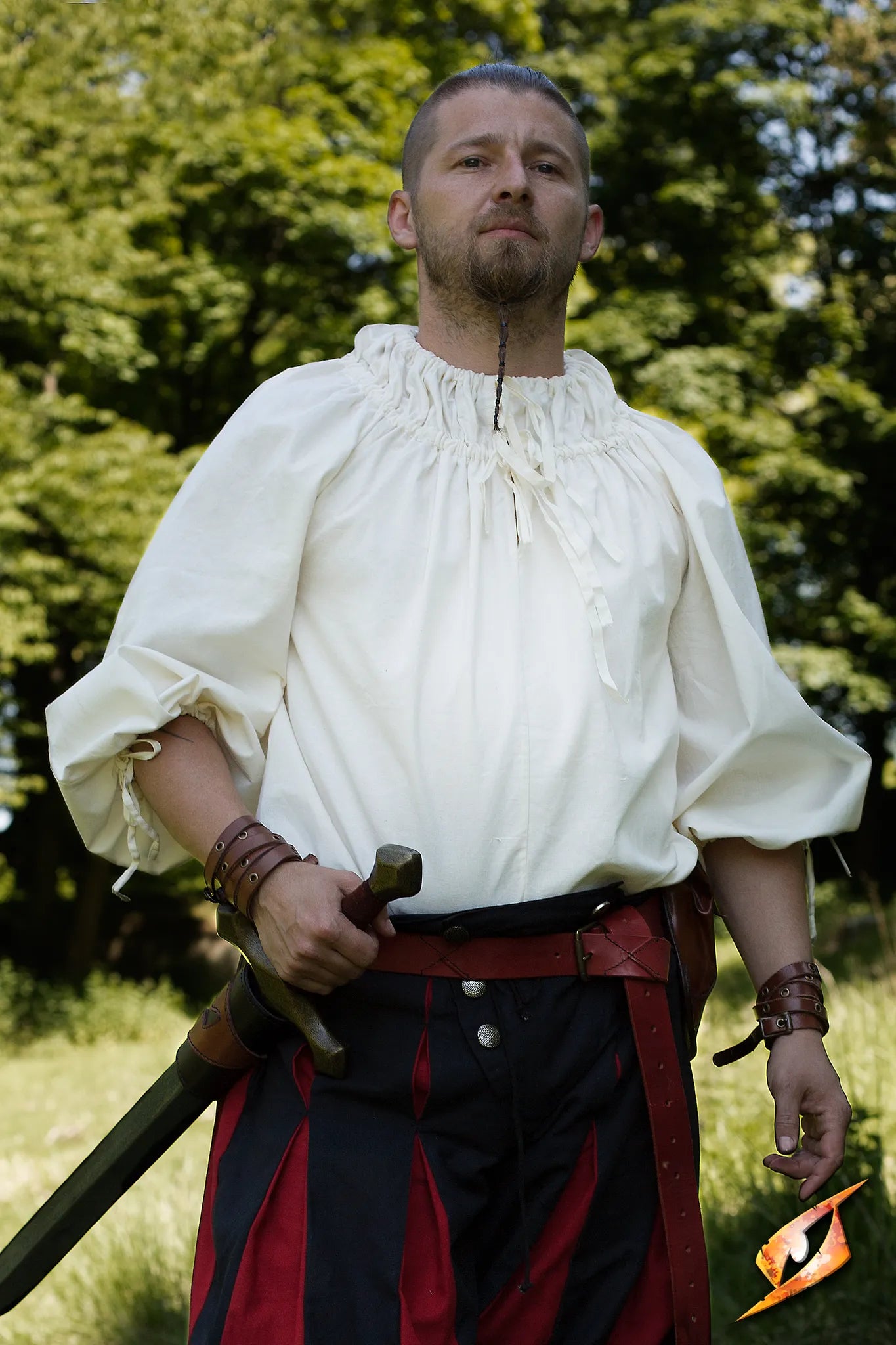
Shirts: Loose, full-sleeved swashbuckler shirts with drawstrings at neck and wrist. The foundation of every pirate outfit, and cut to sit comfortably under leather armor.
-
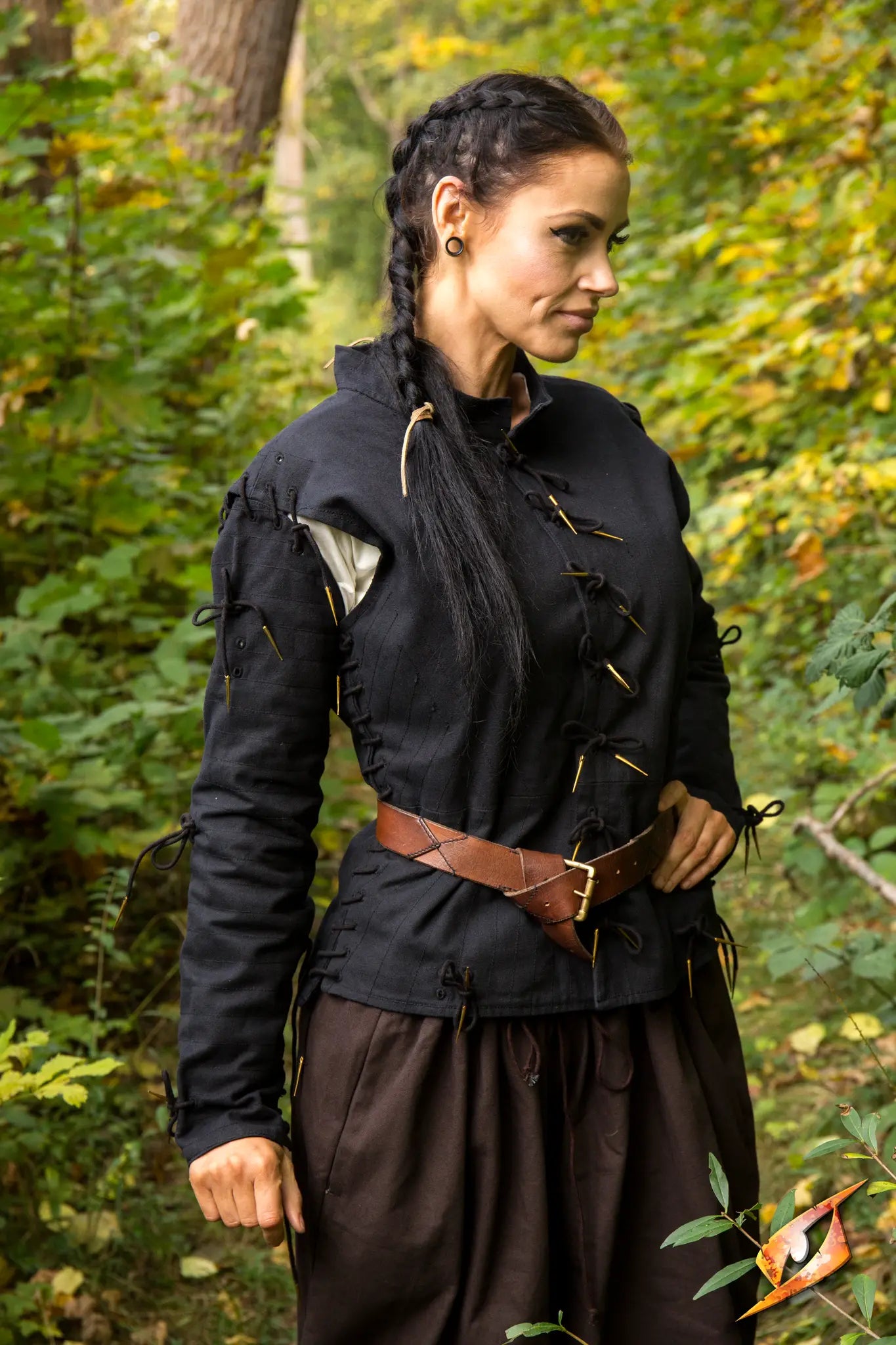
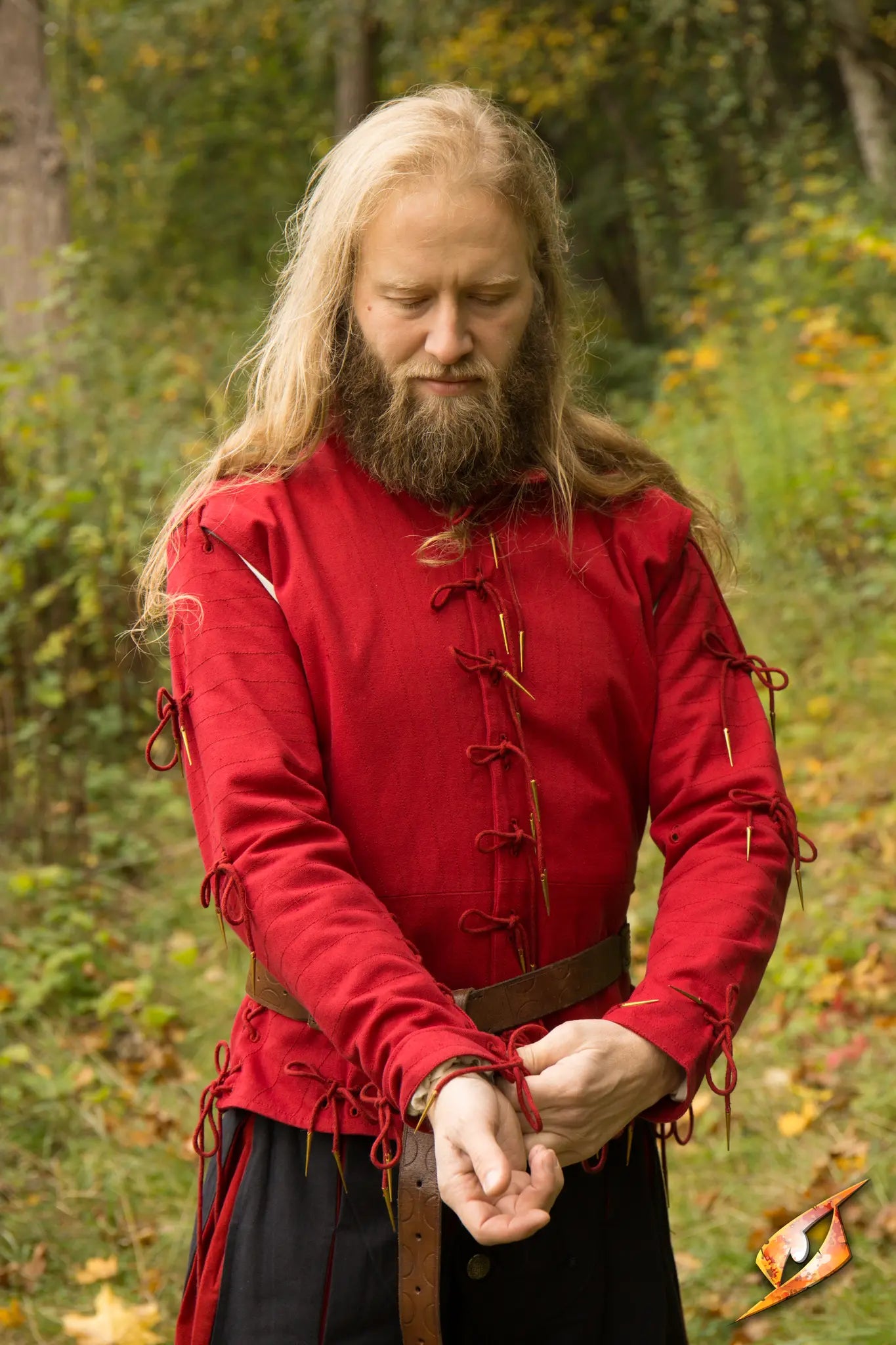
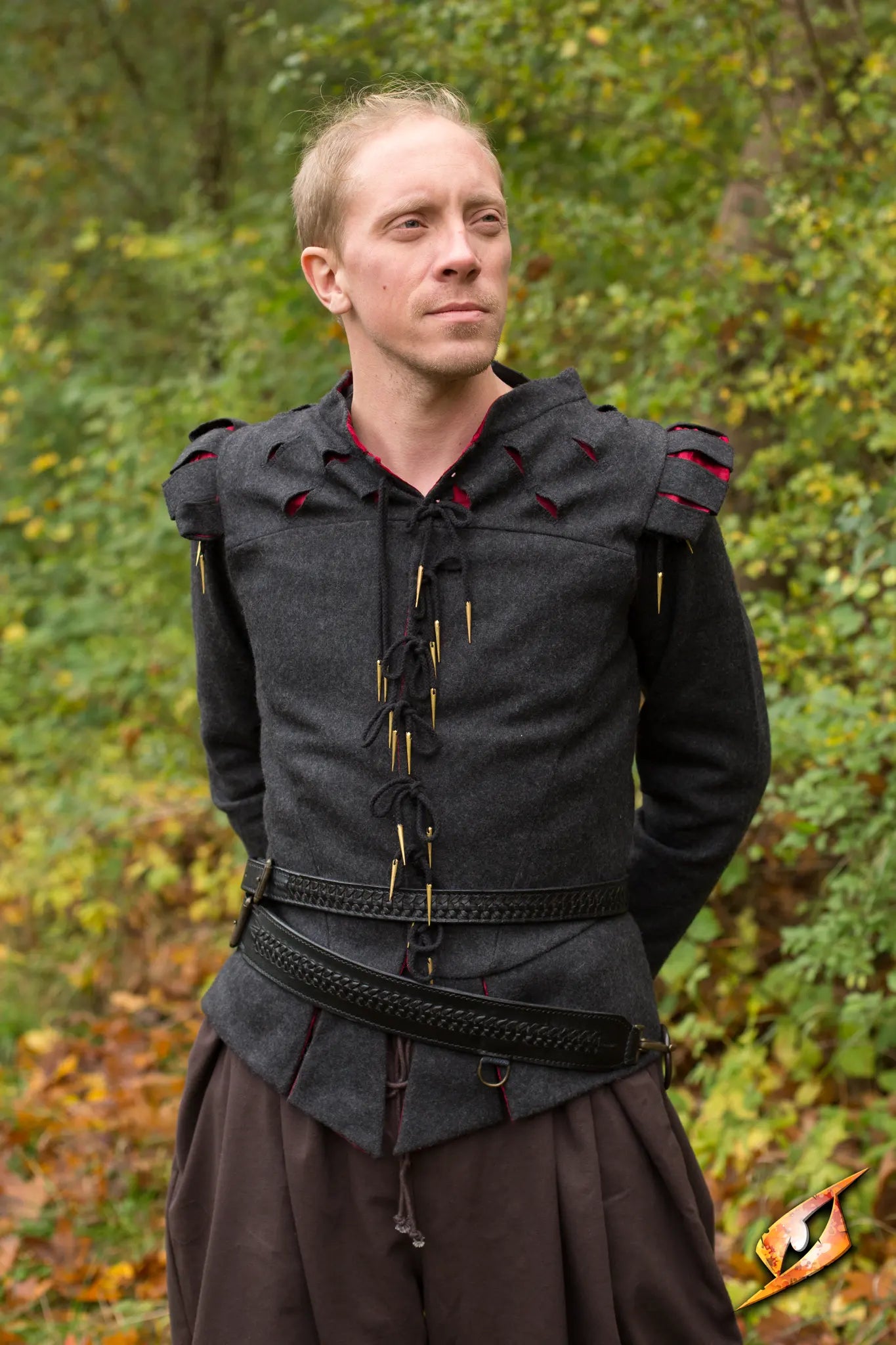
Doublets and pourpoints: Structured layers that turn a sailor into an officer in one garment.
-
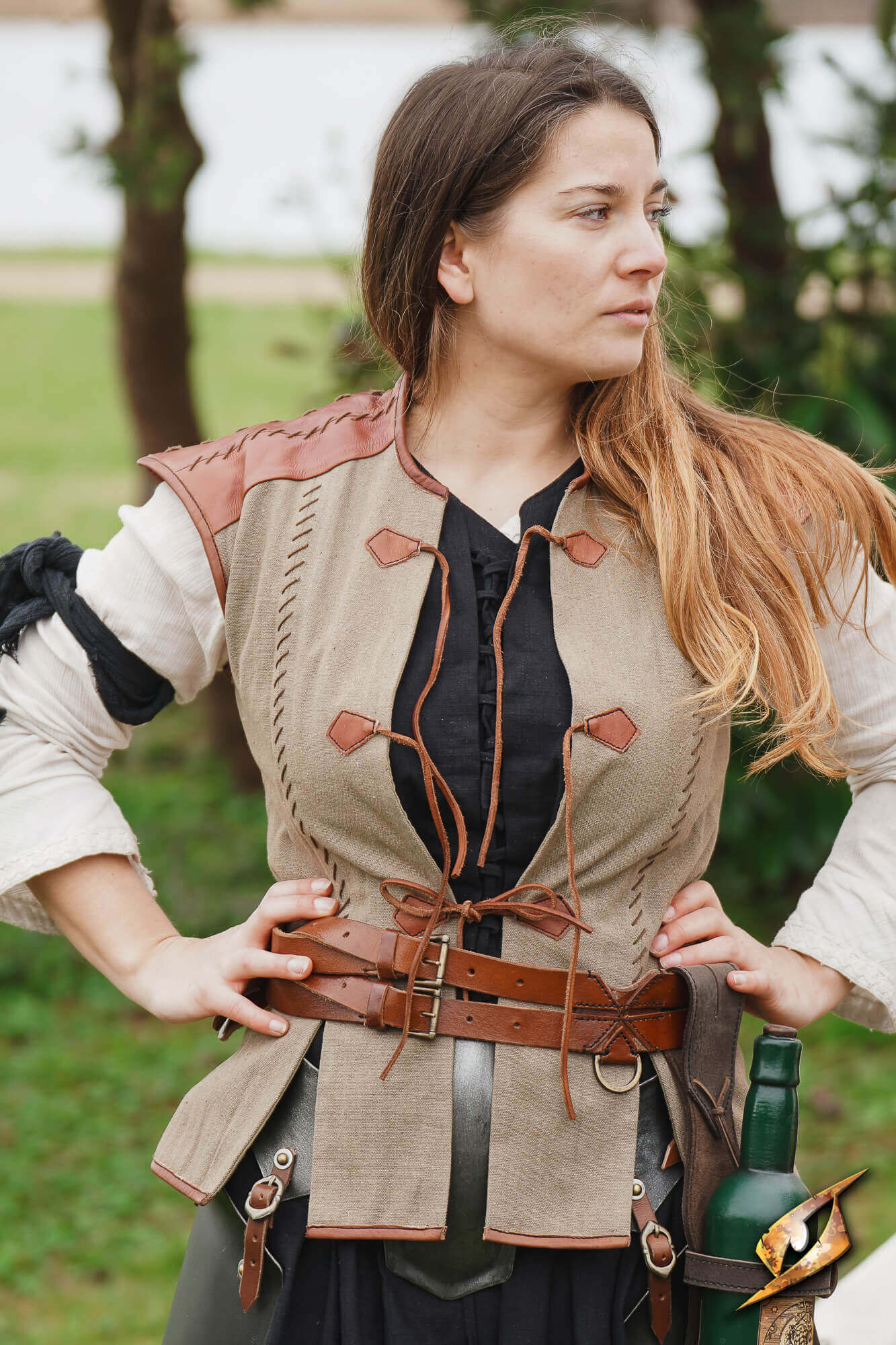
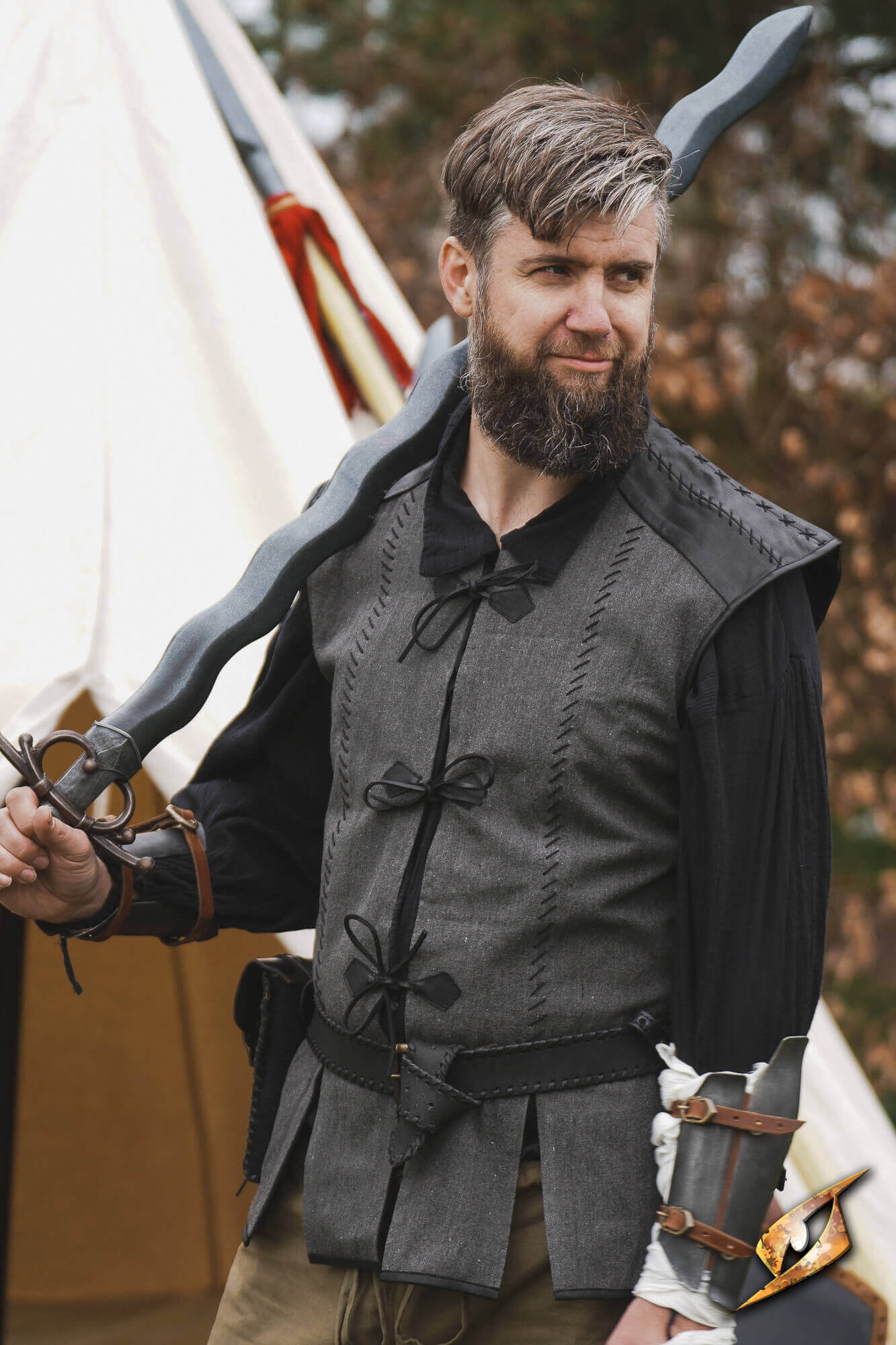
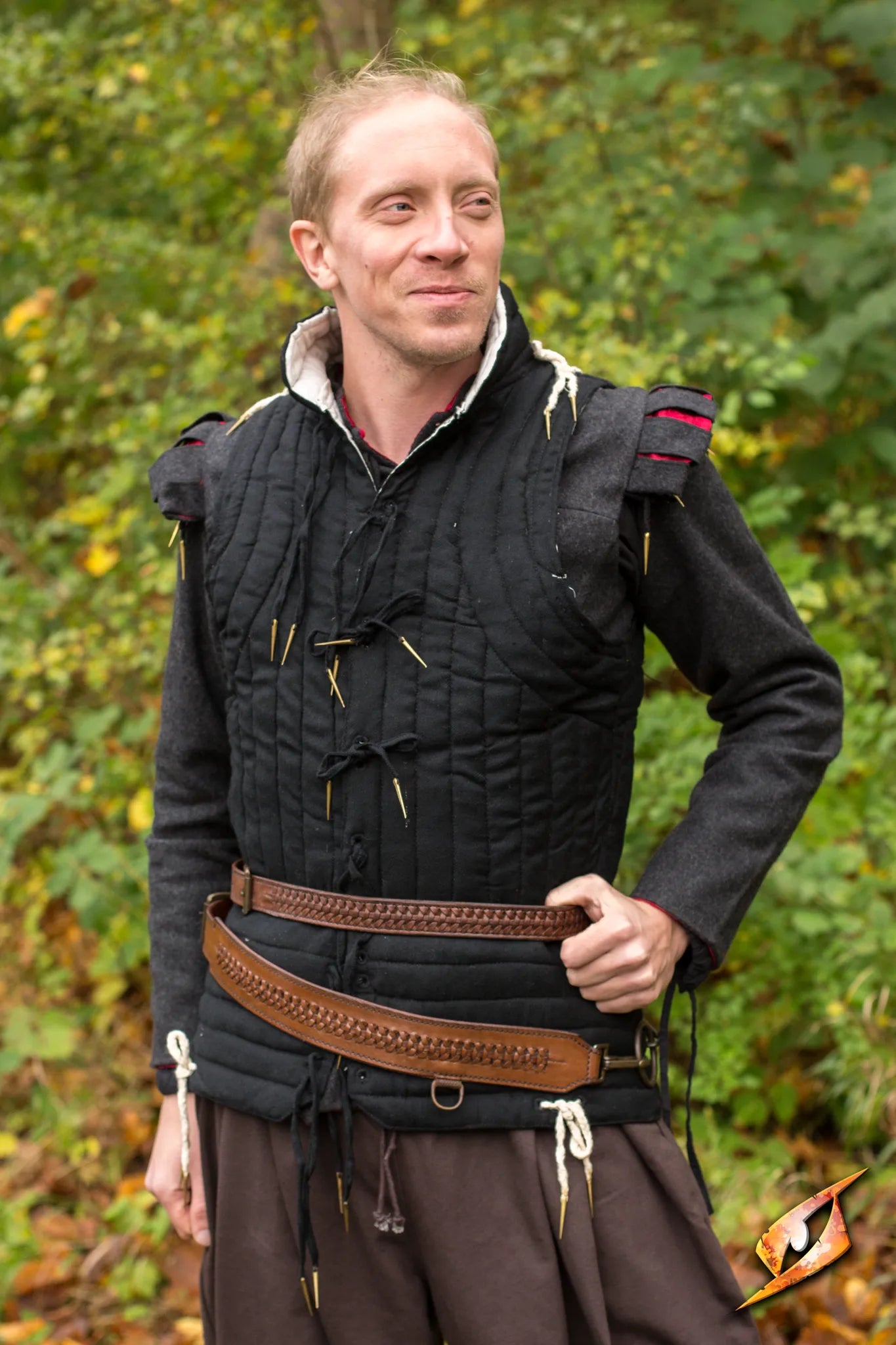
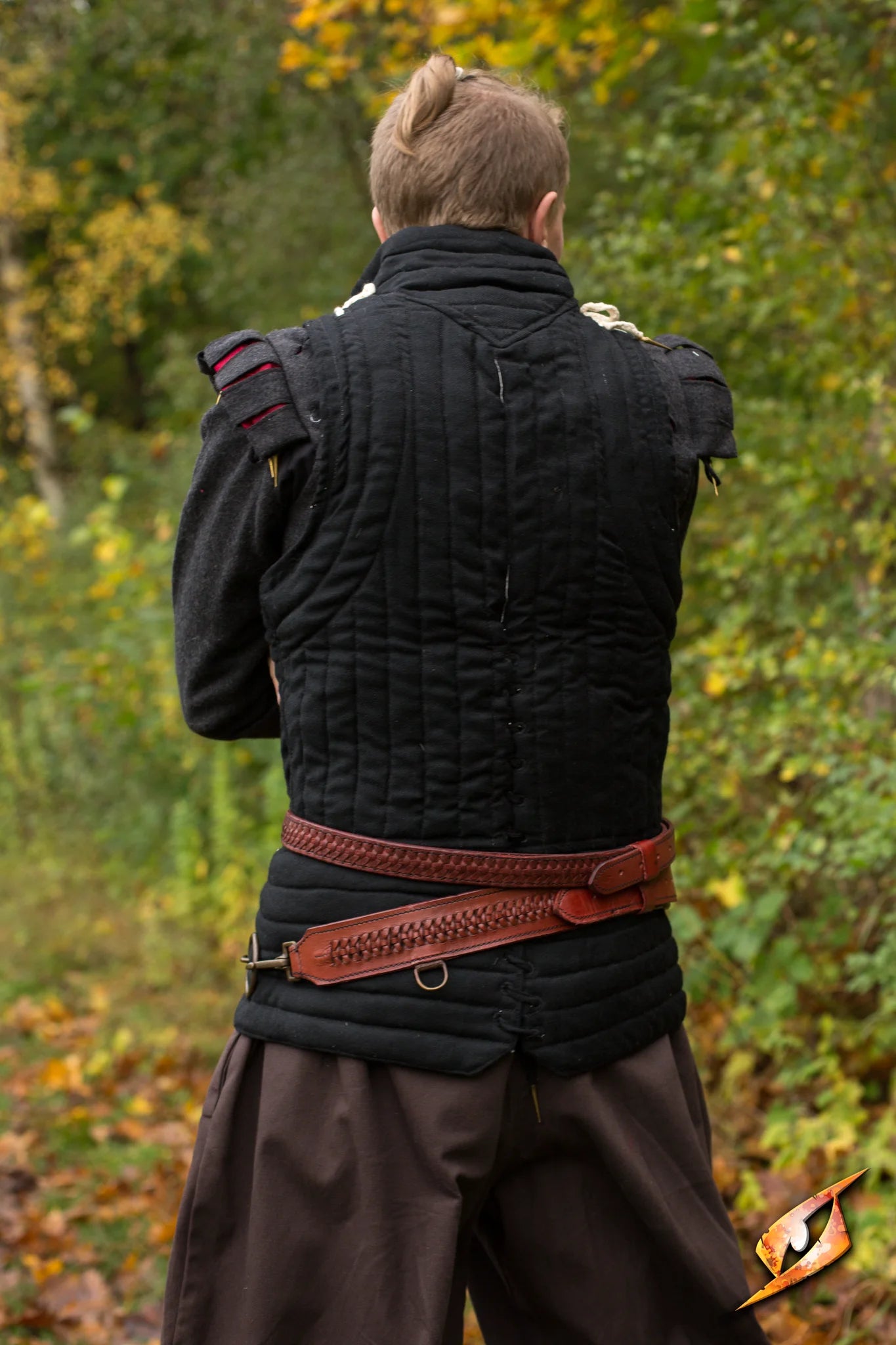
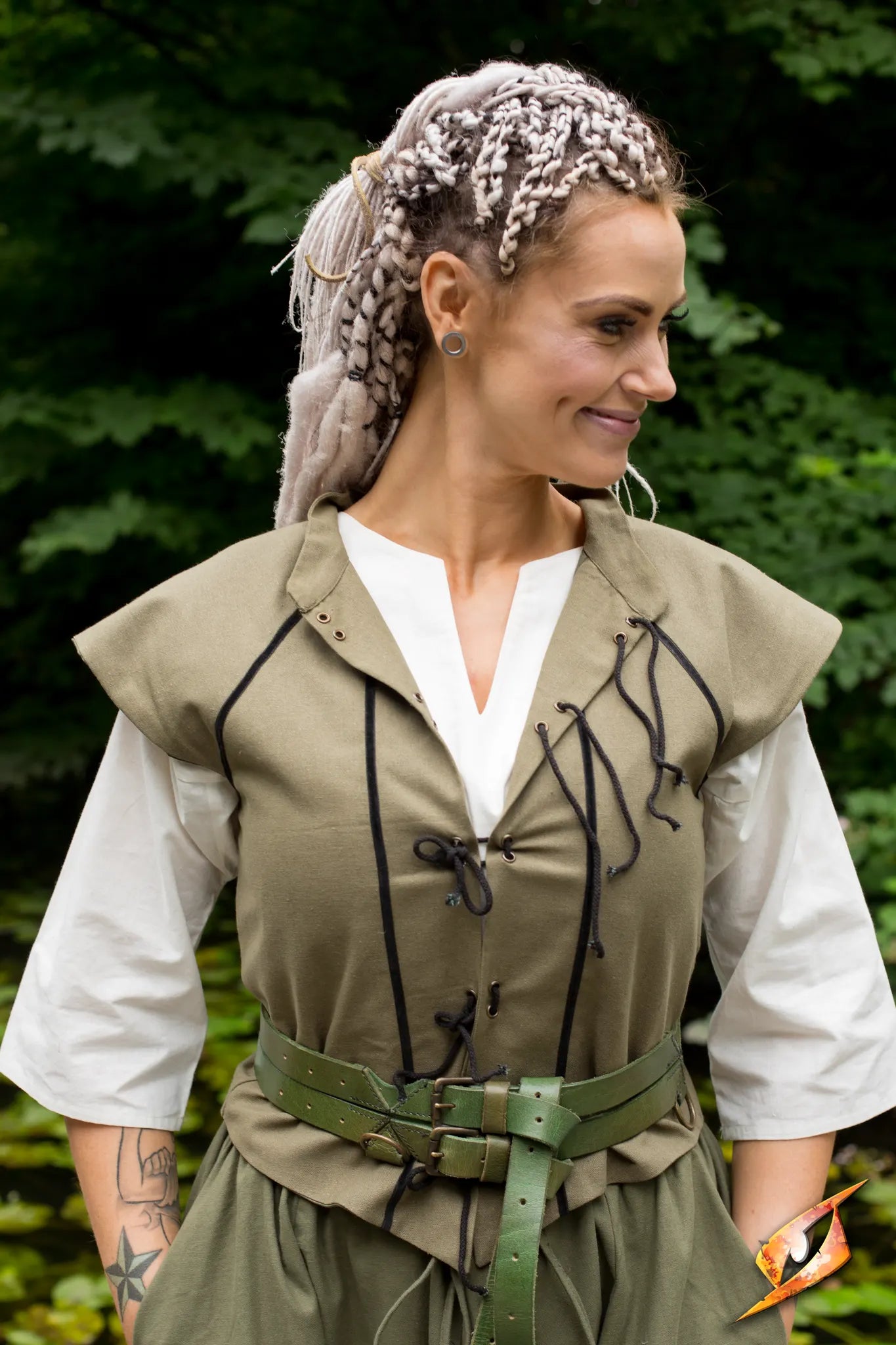
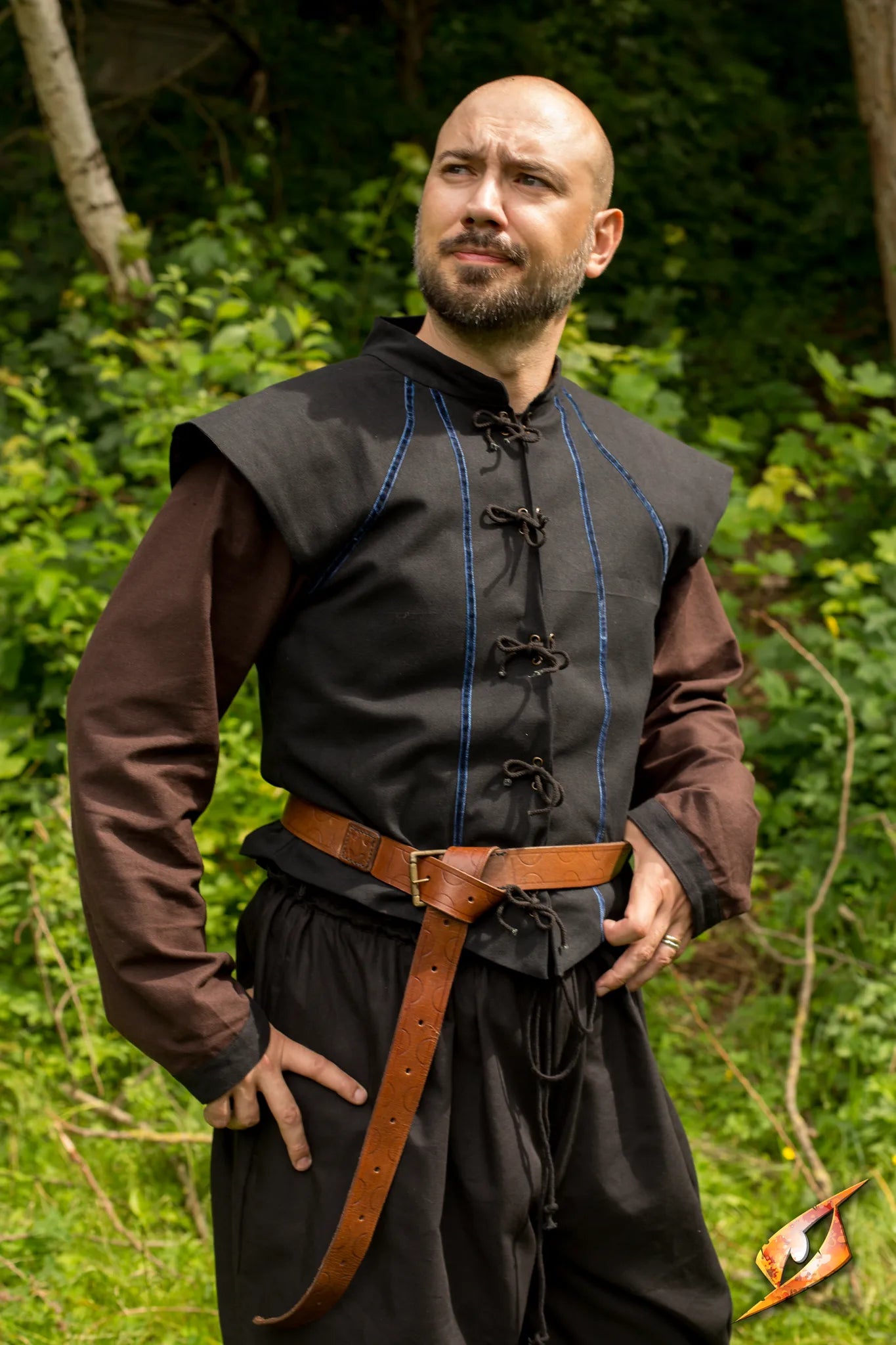
Vests and jerkins: The working middle layer, from tavern-ready vests to a rugged canvas jerkin that shrugs off deck work.
-
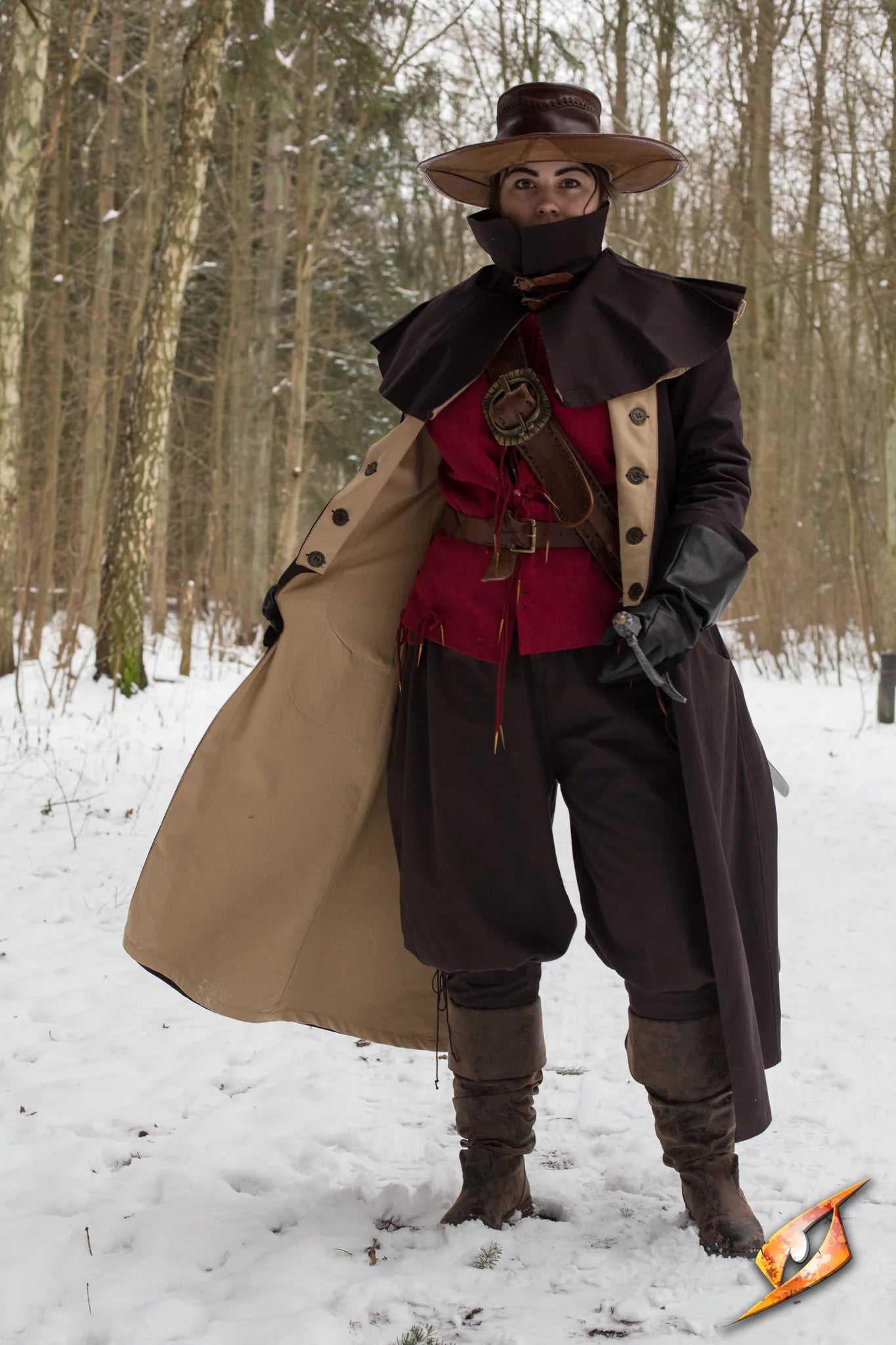
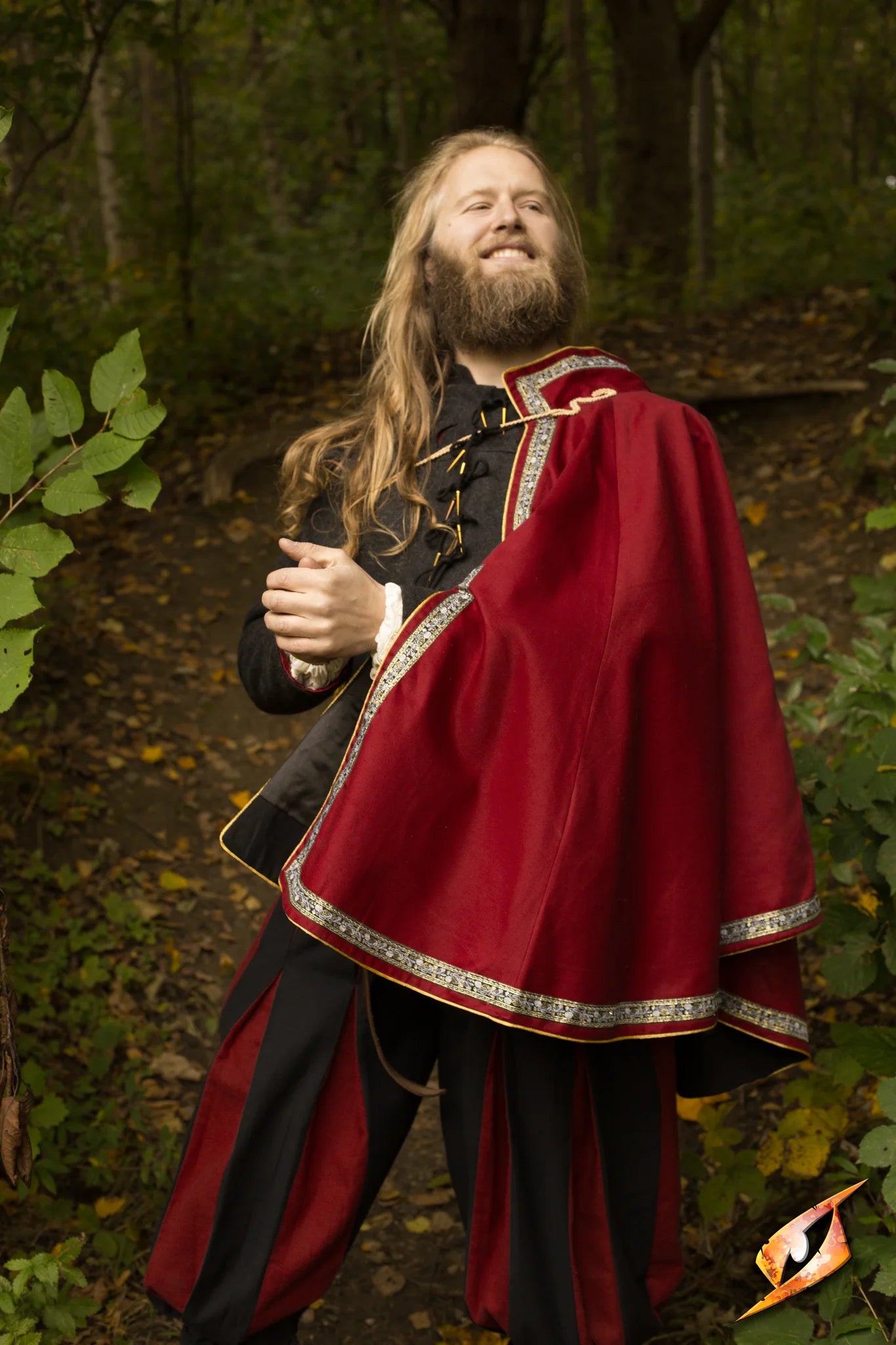
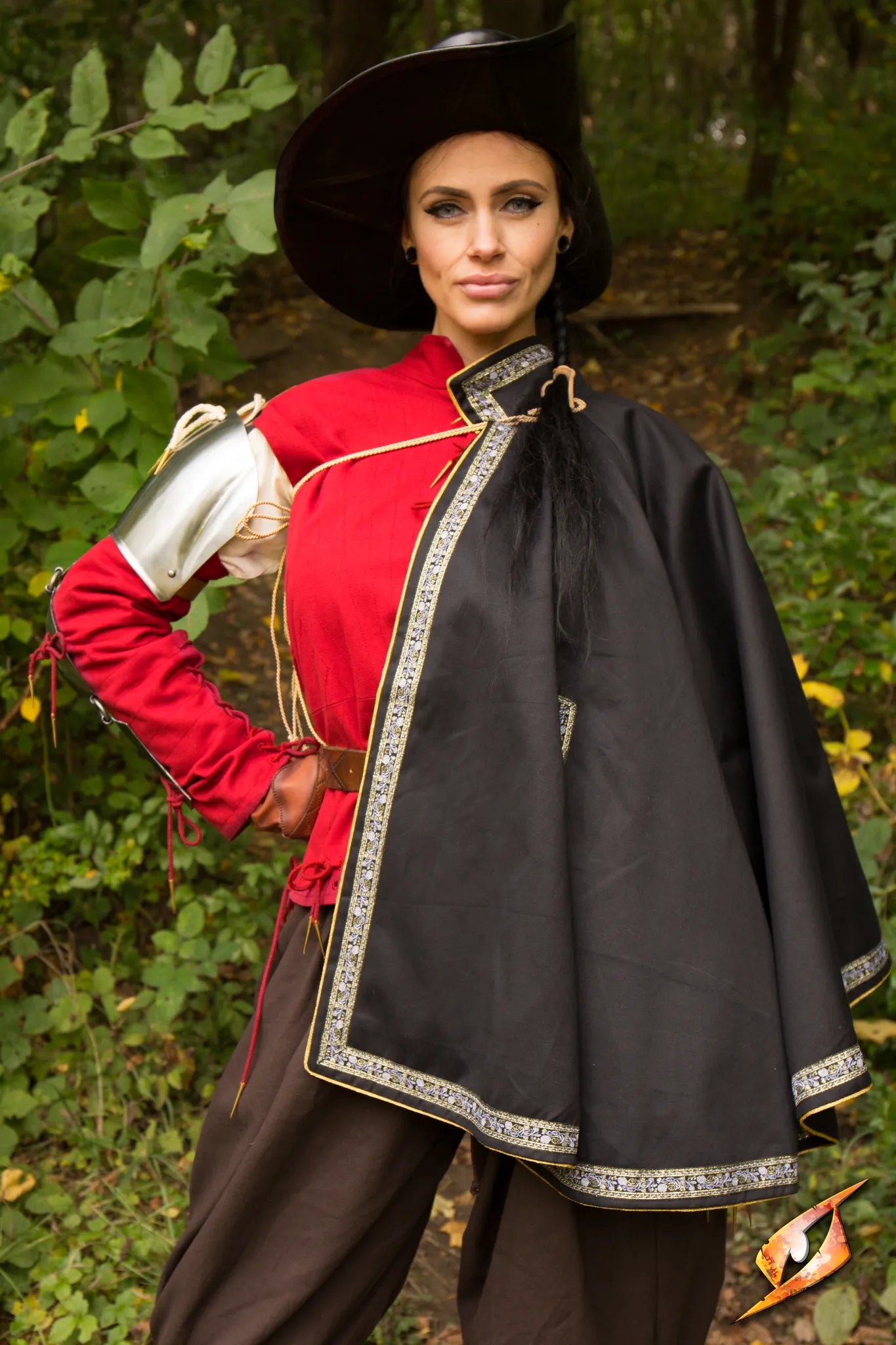
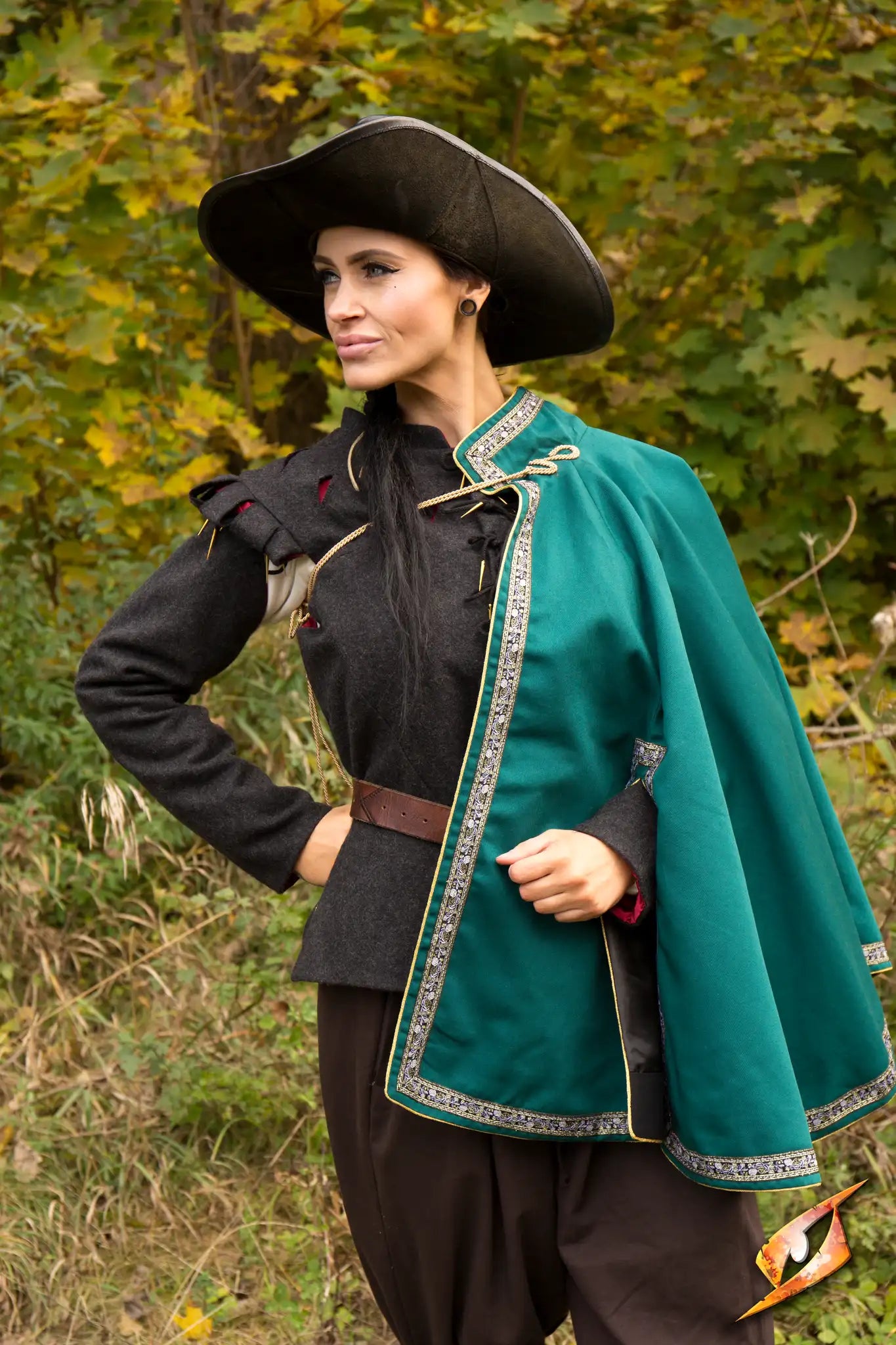
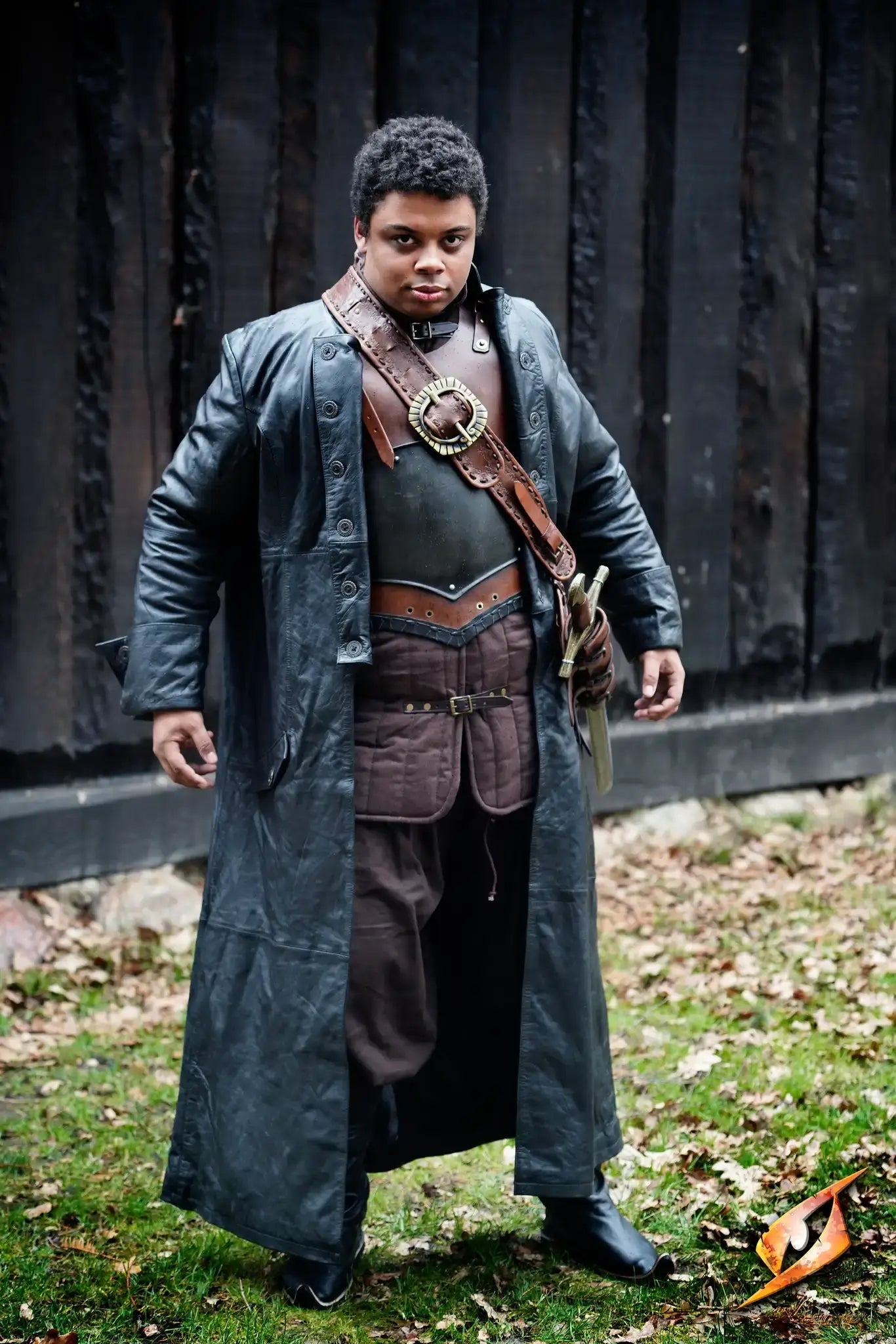
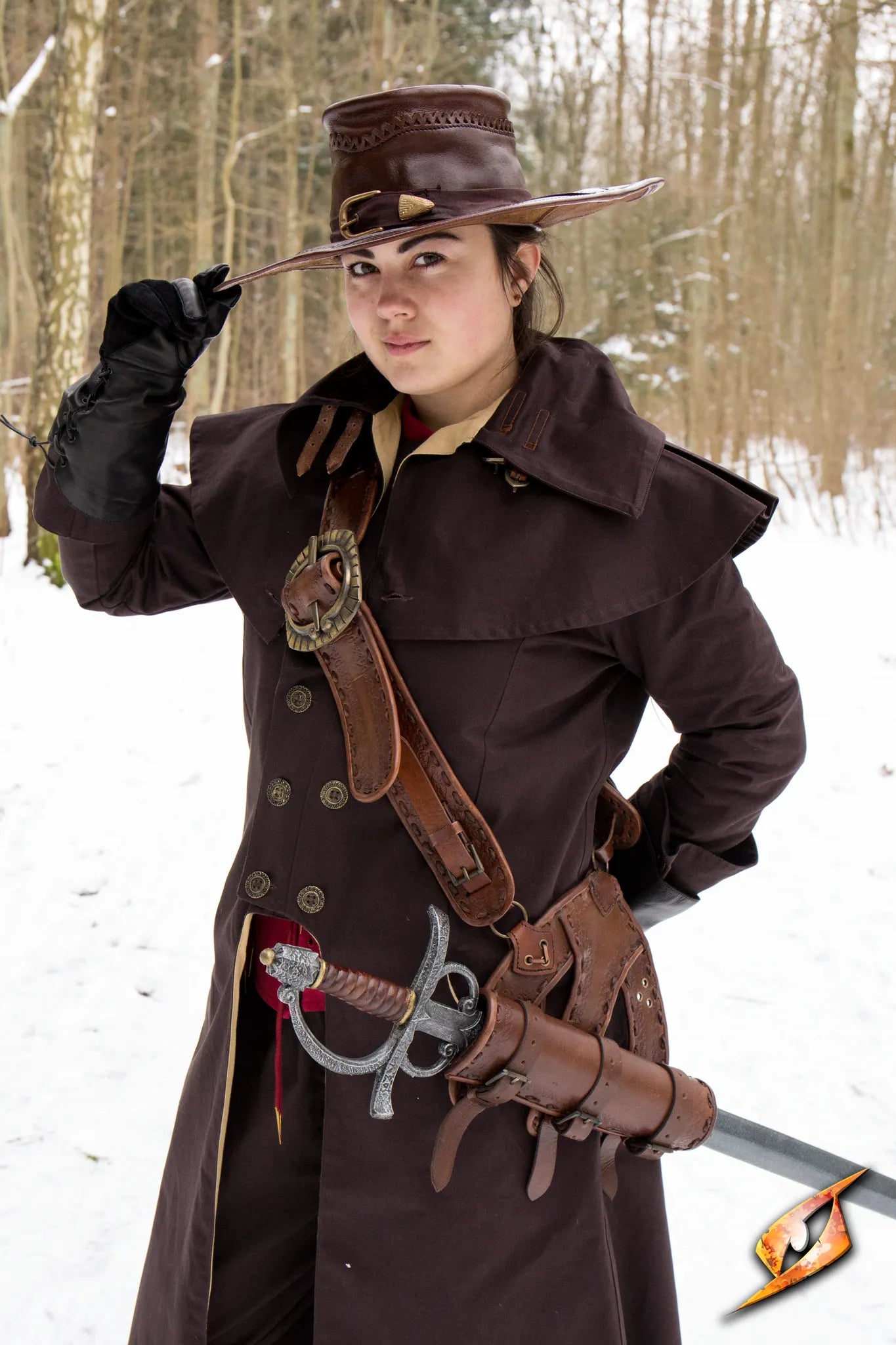
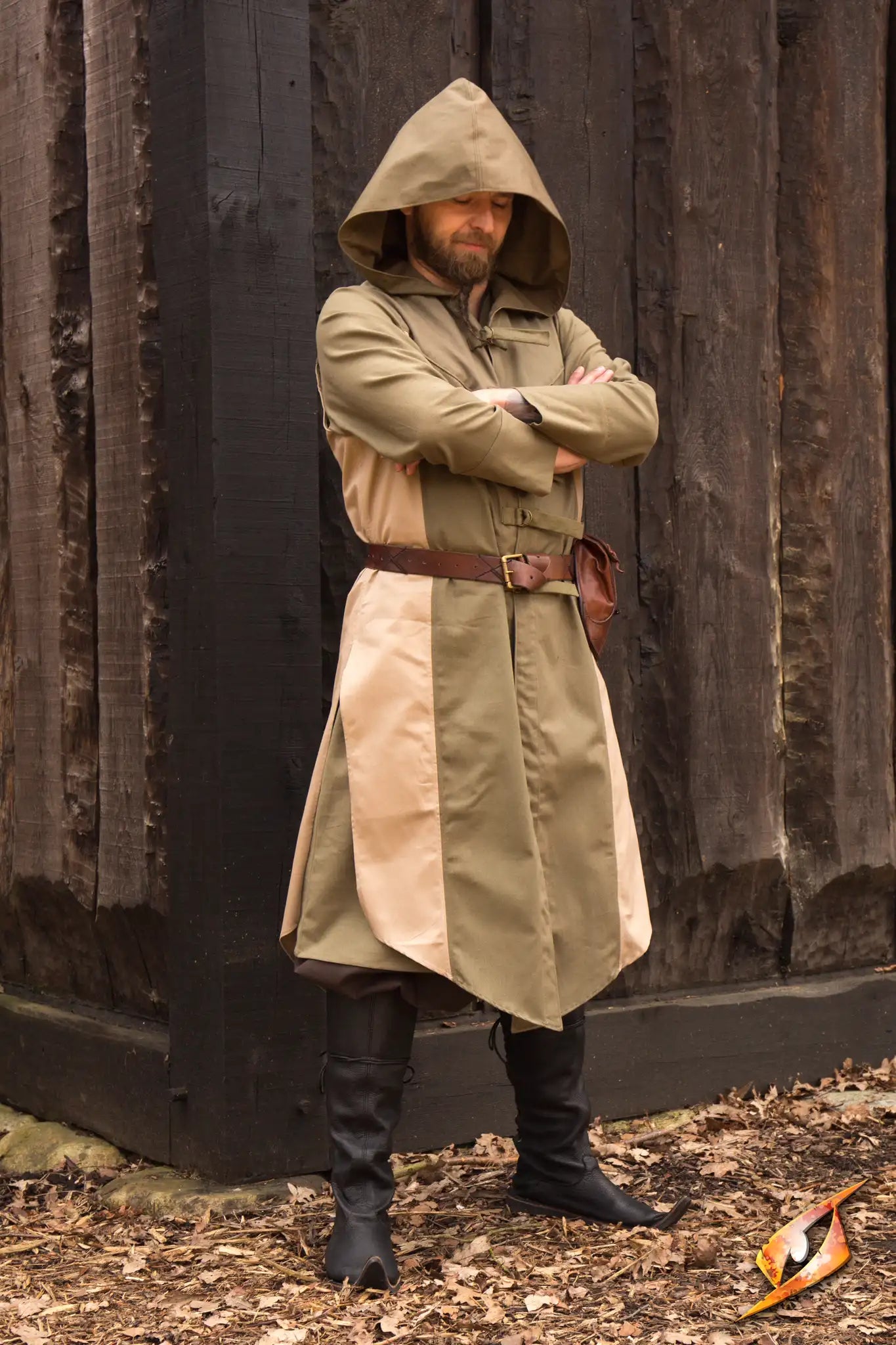
Coats and capes: The captain's finishing layer for cold nights, dramatic entrances, and undeniable authority.
-
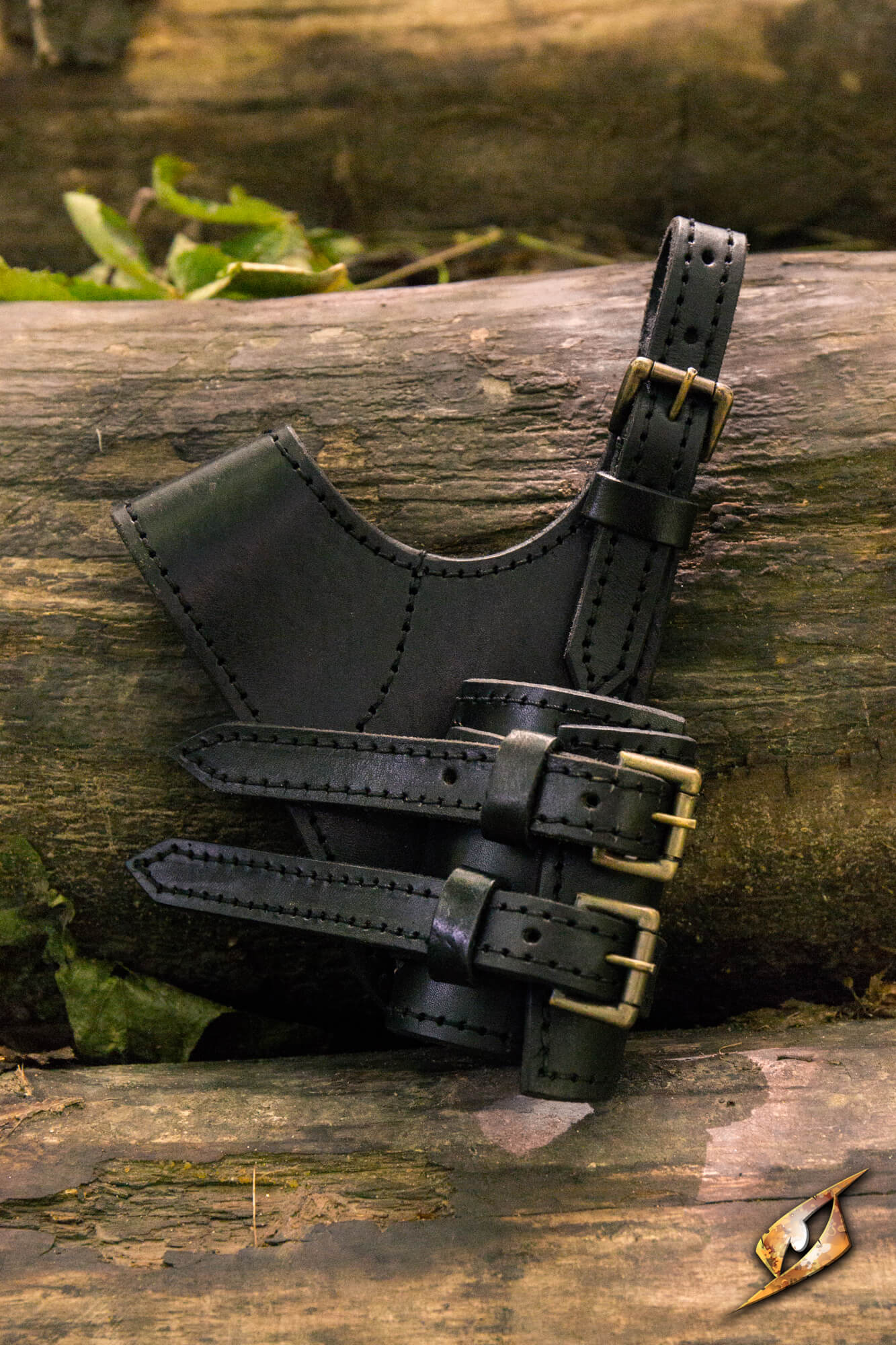
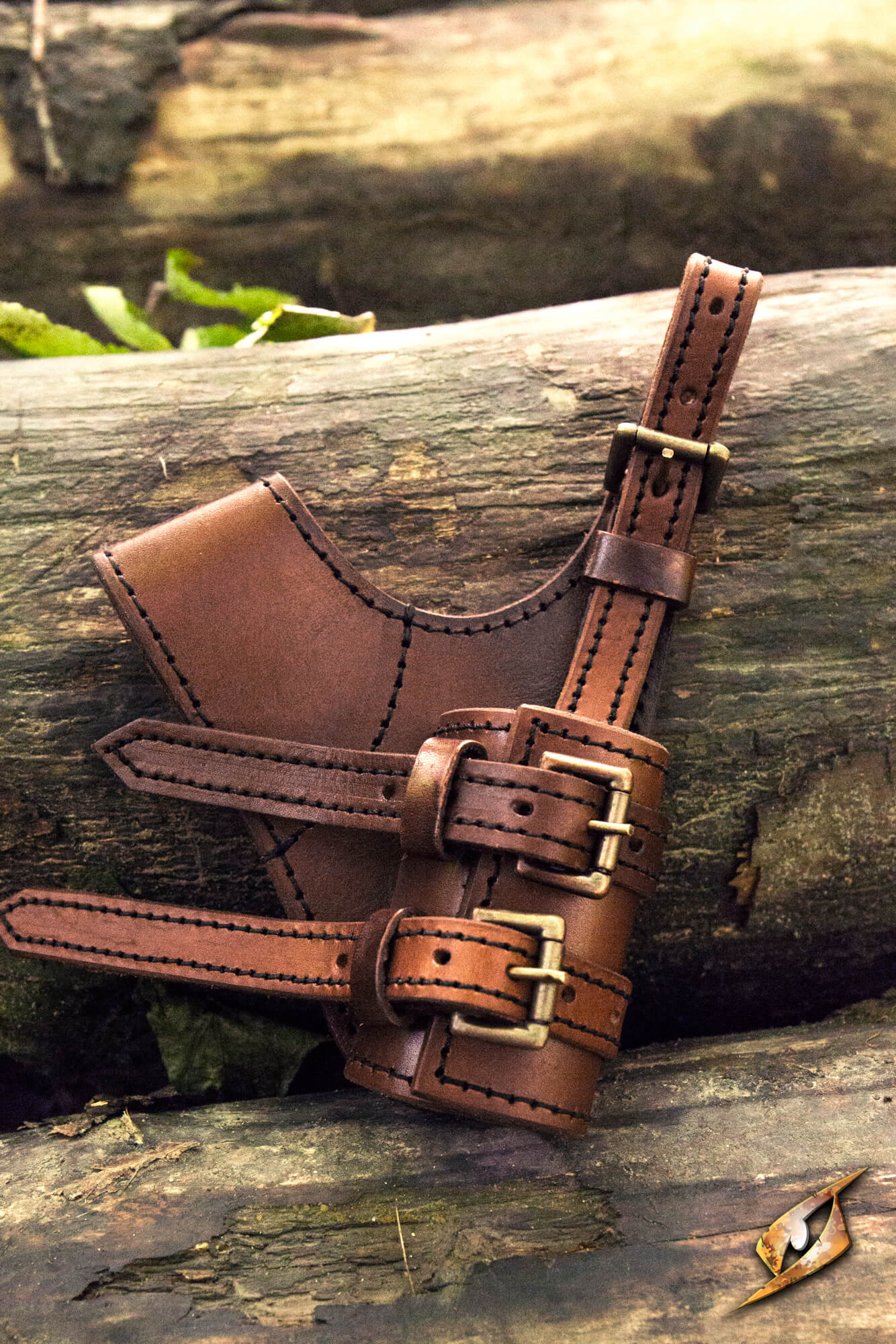
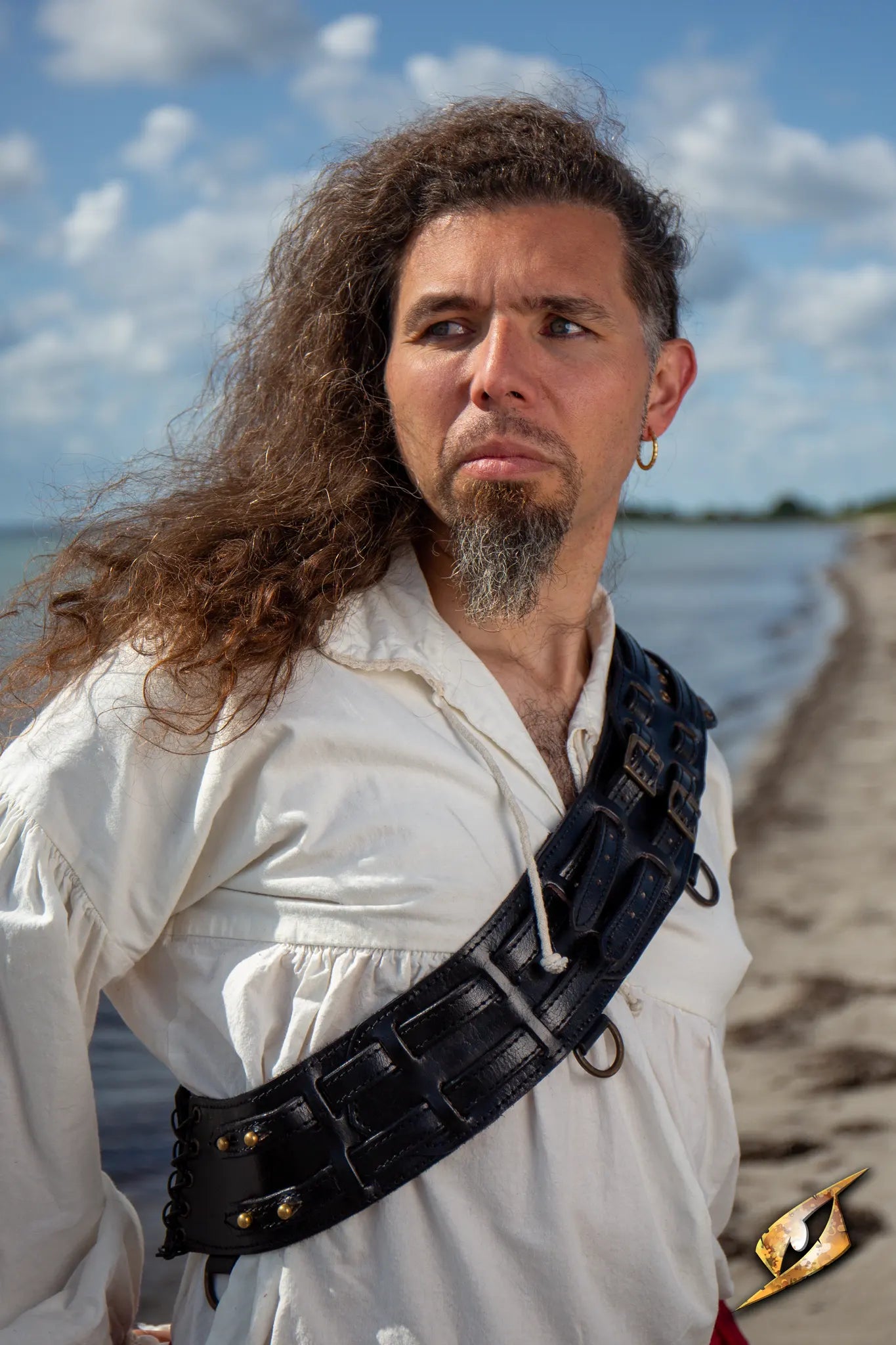
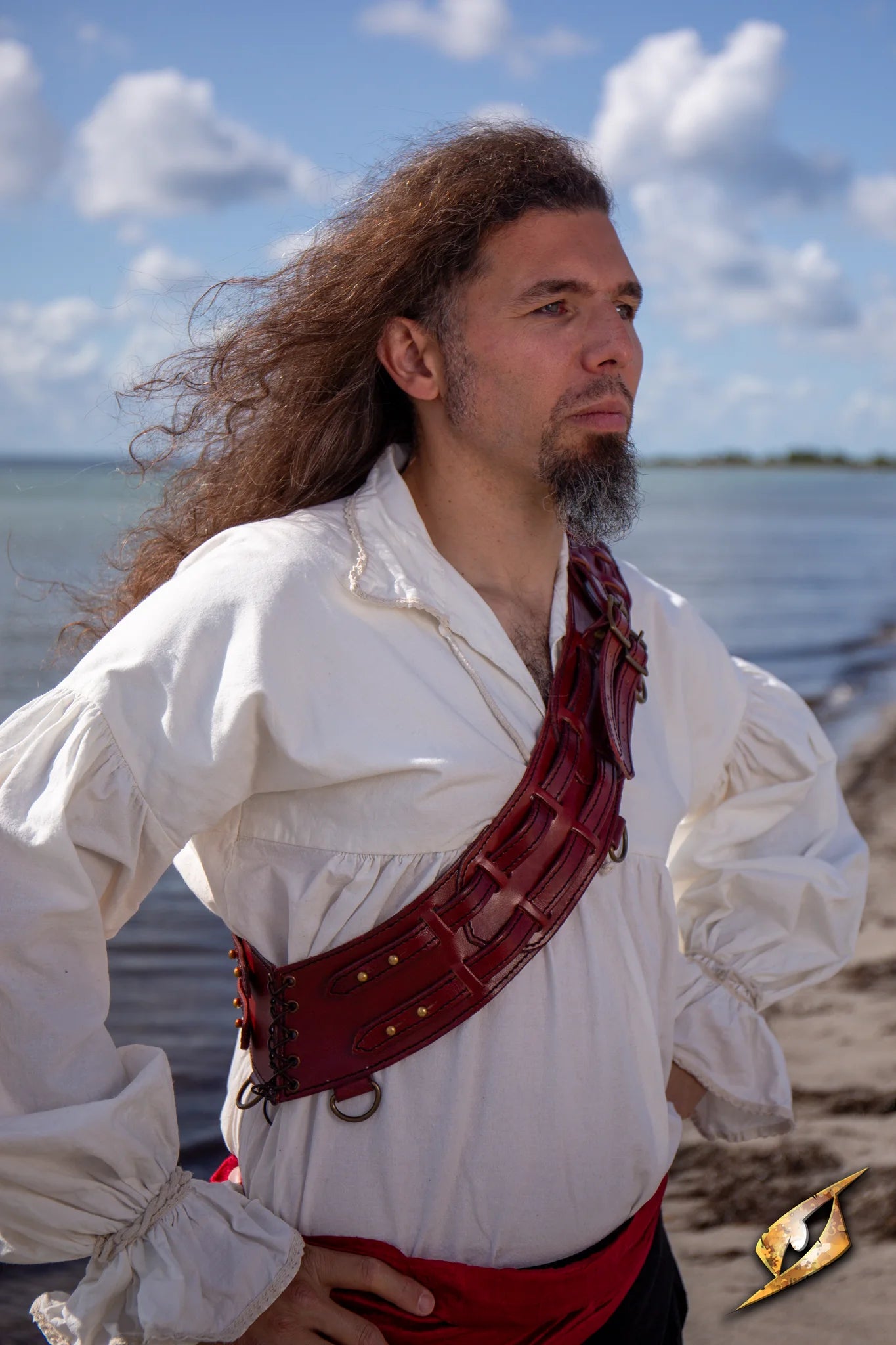
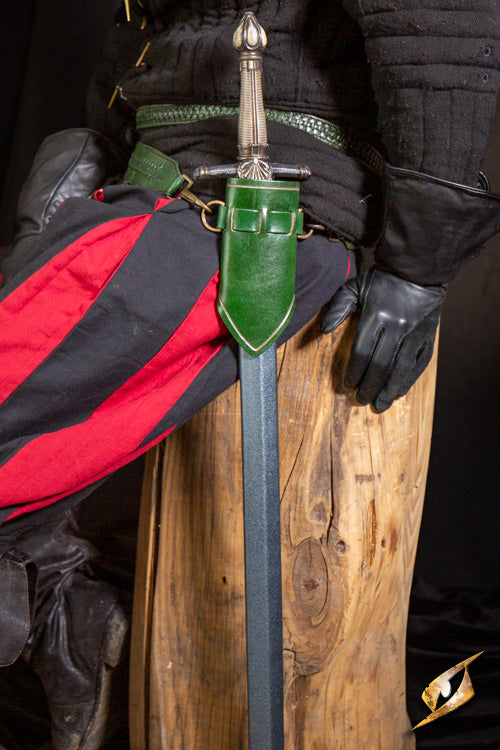
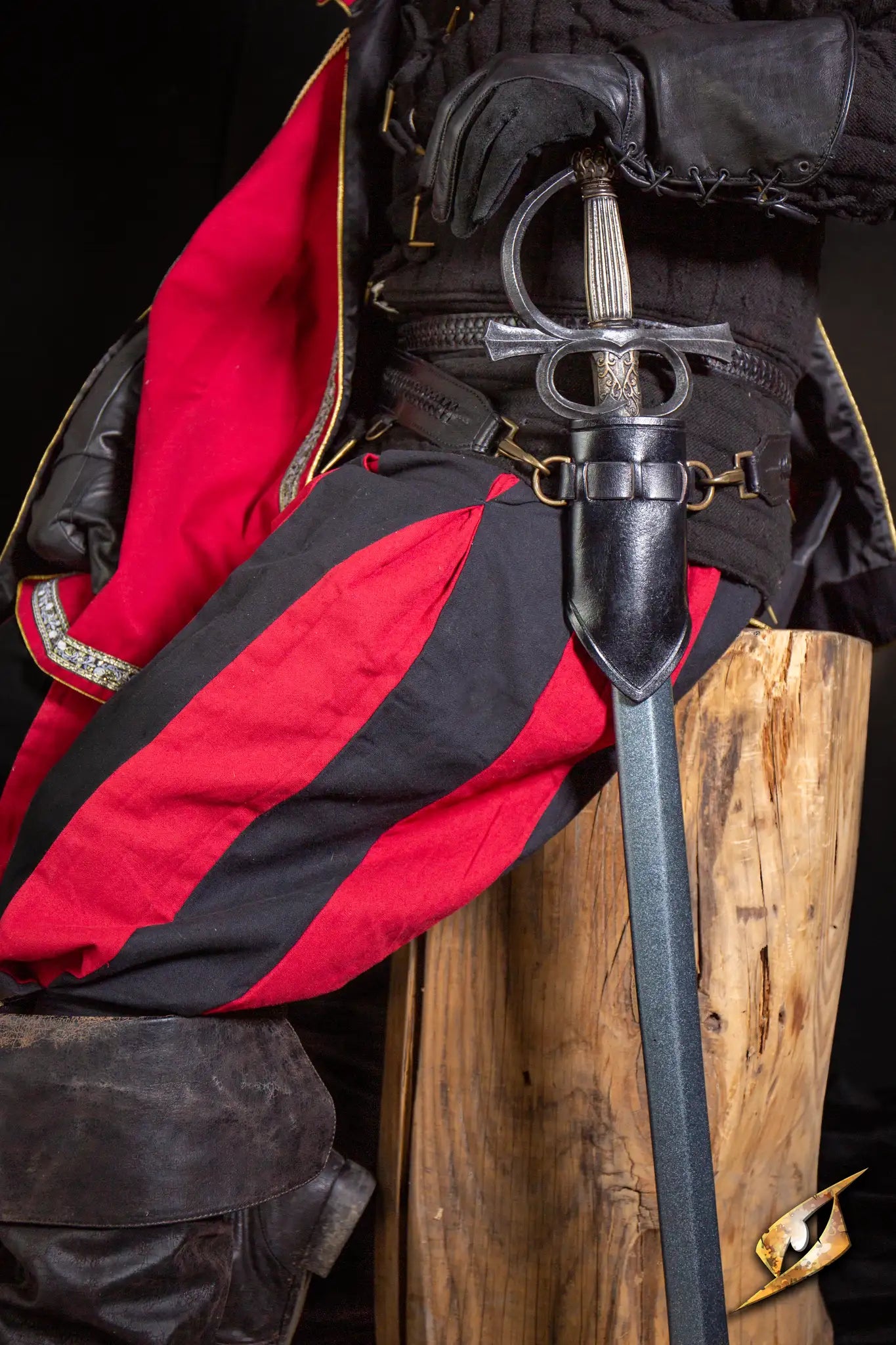
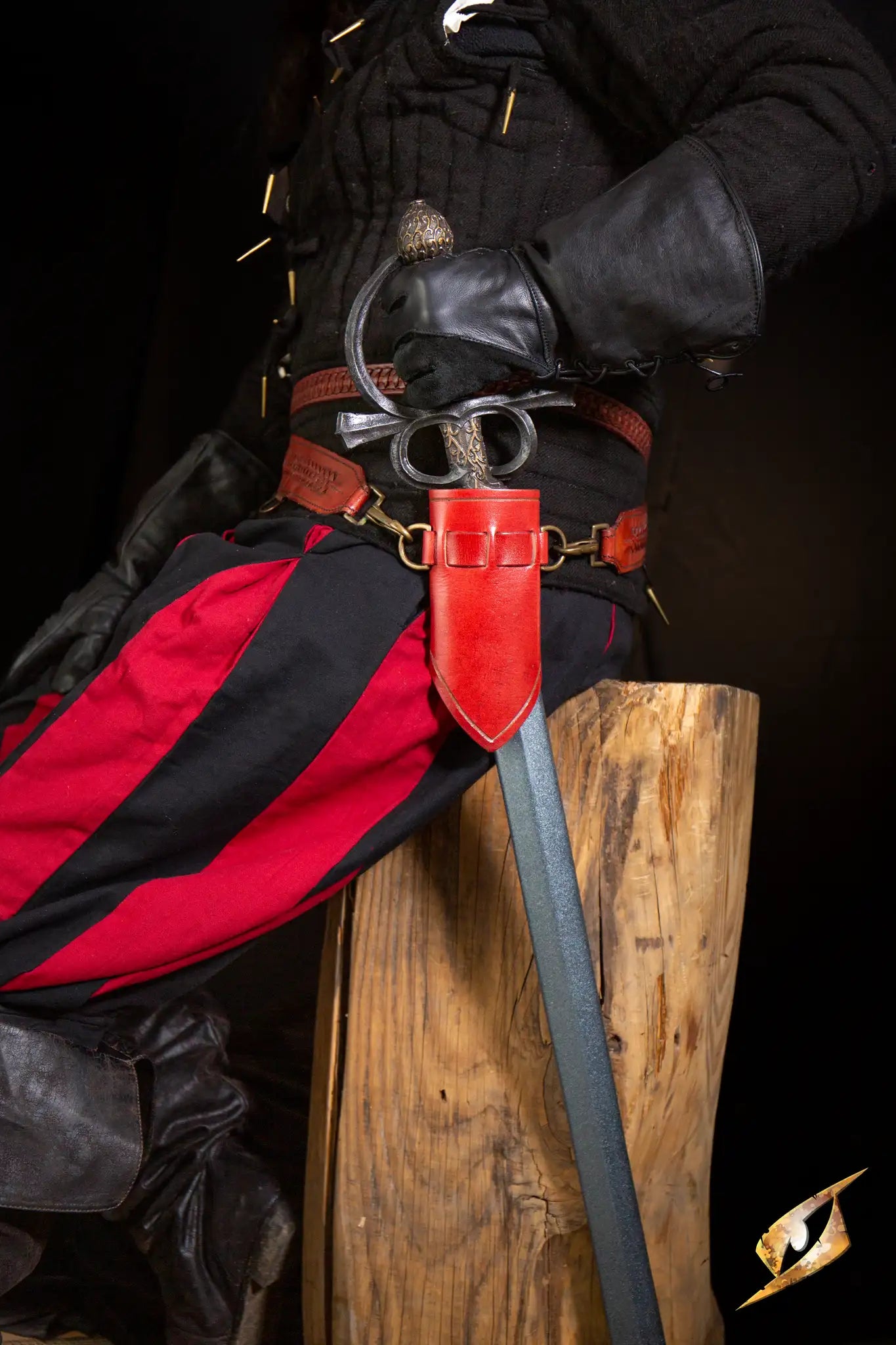
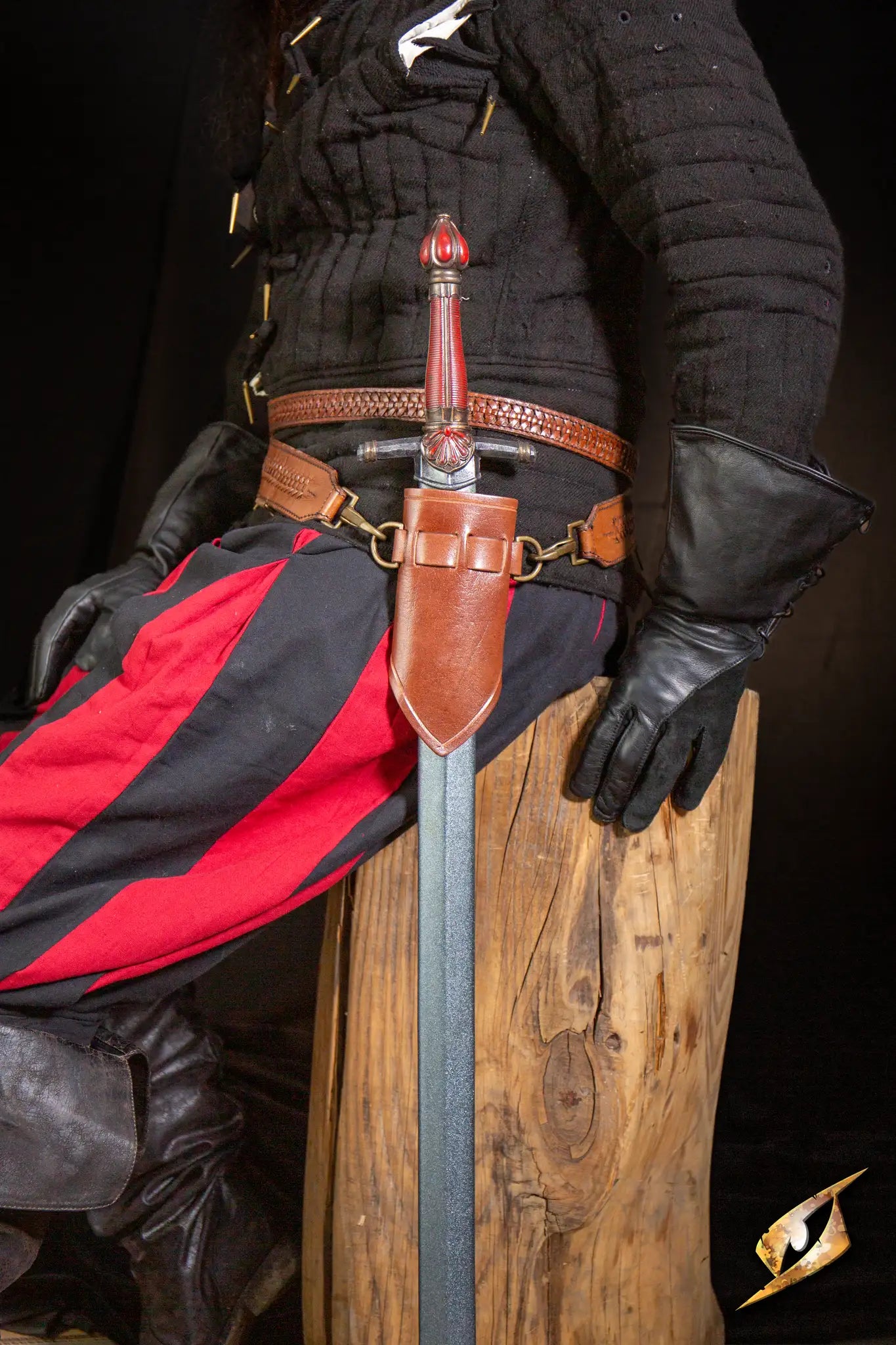
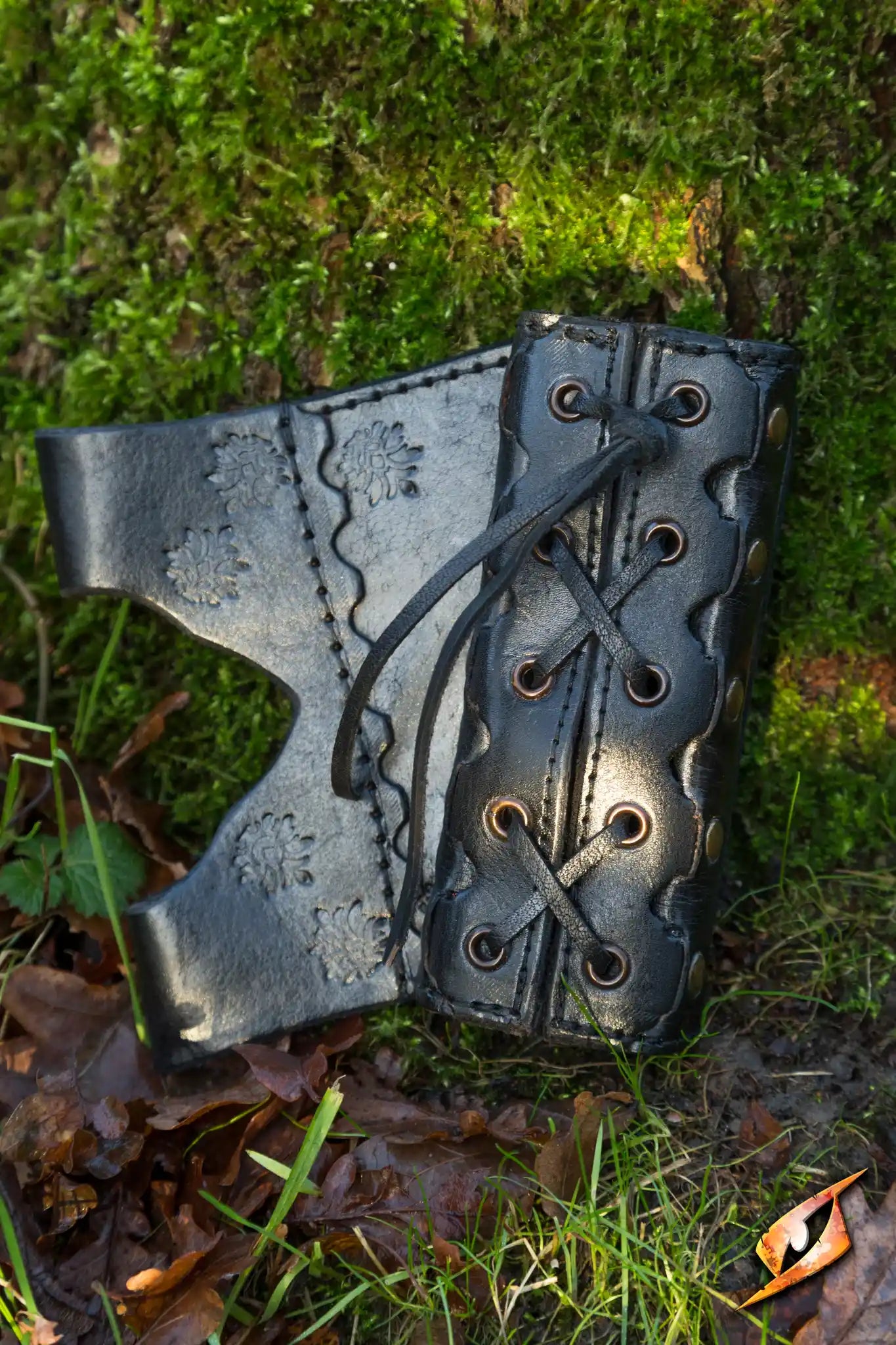
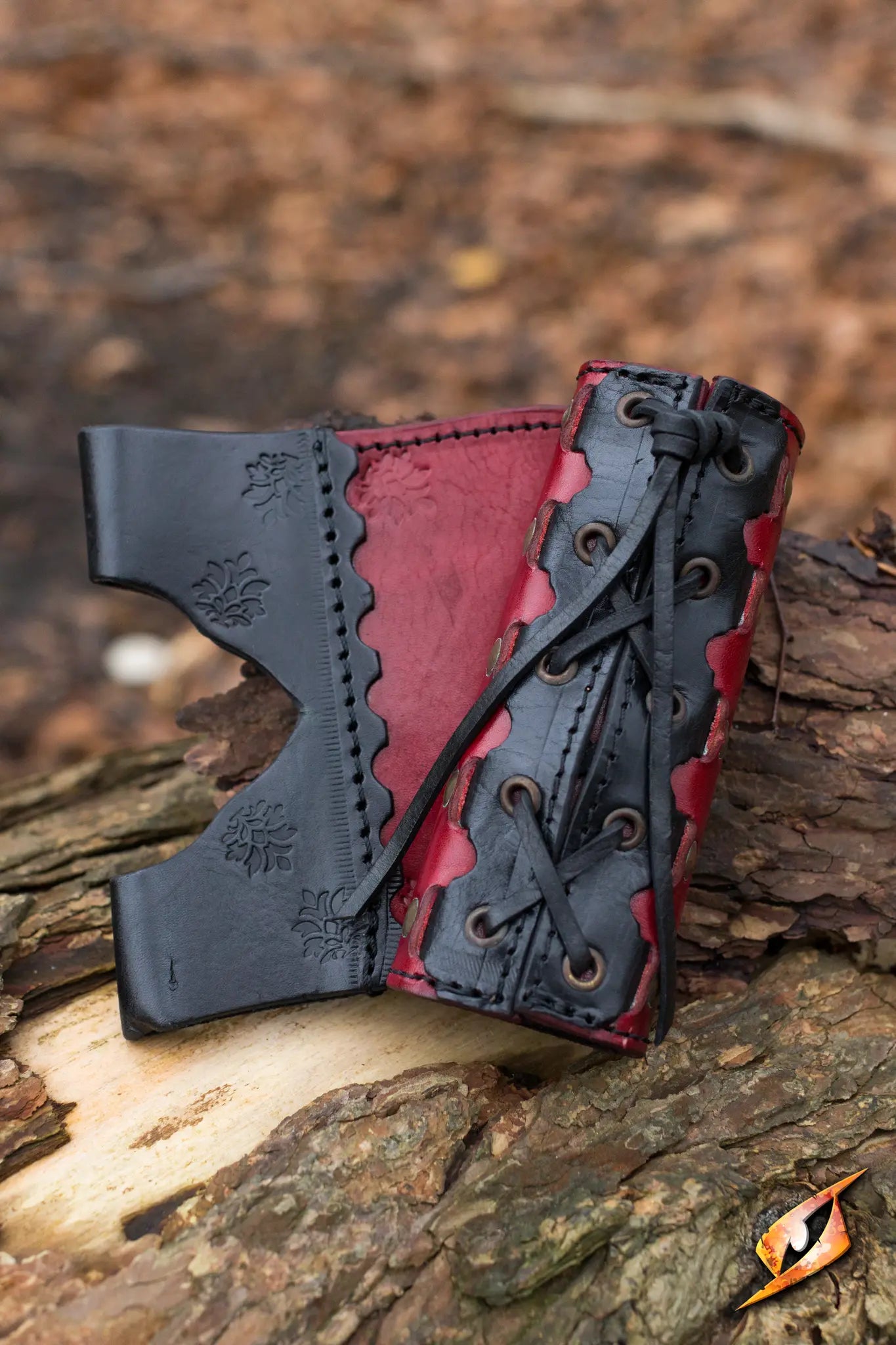
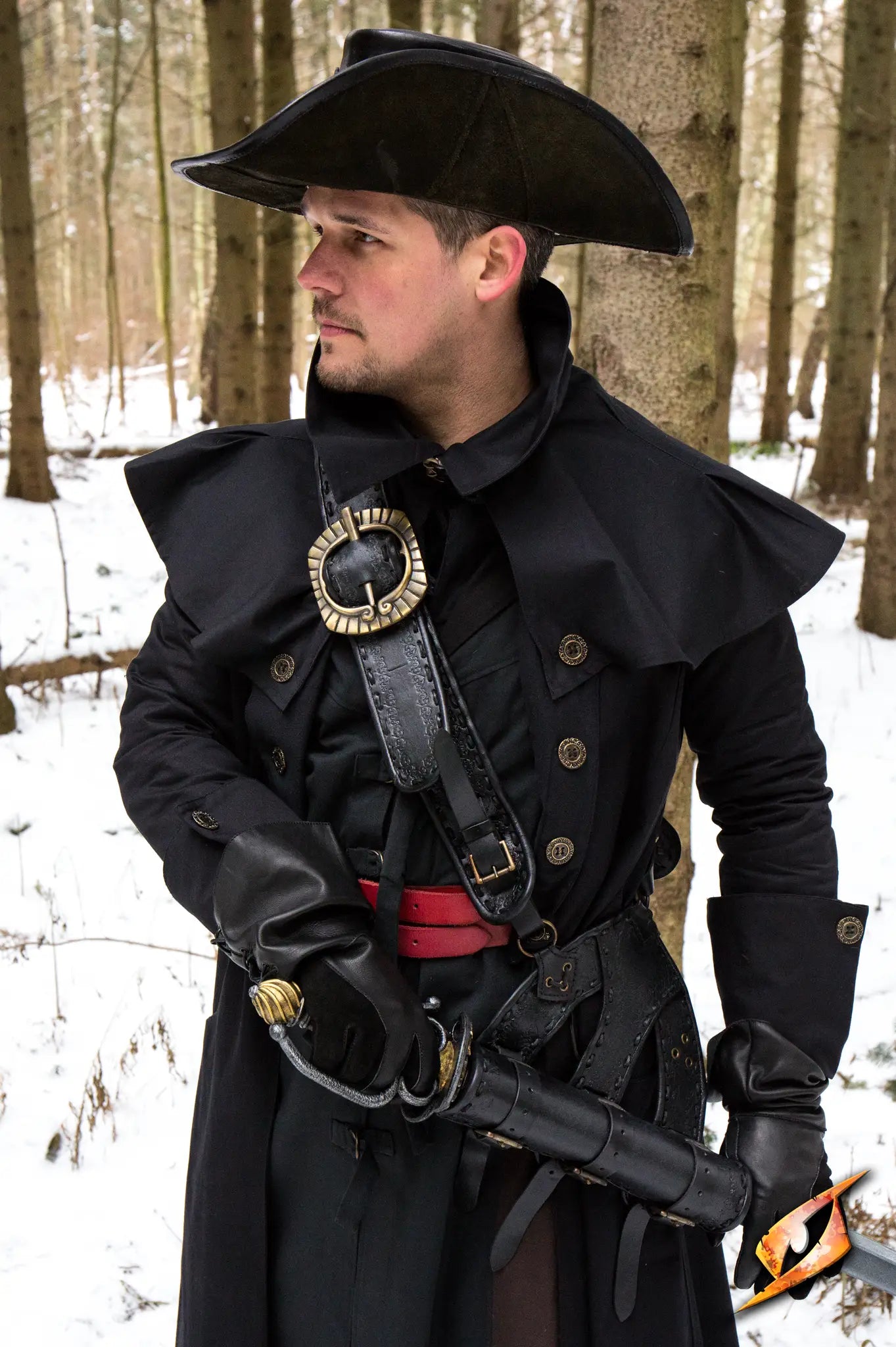
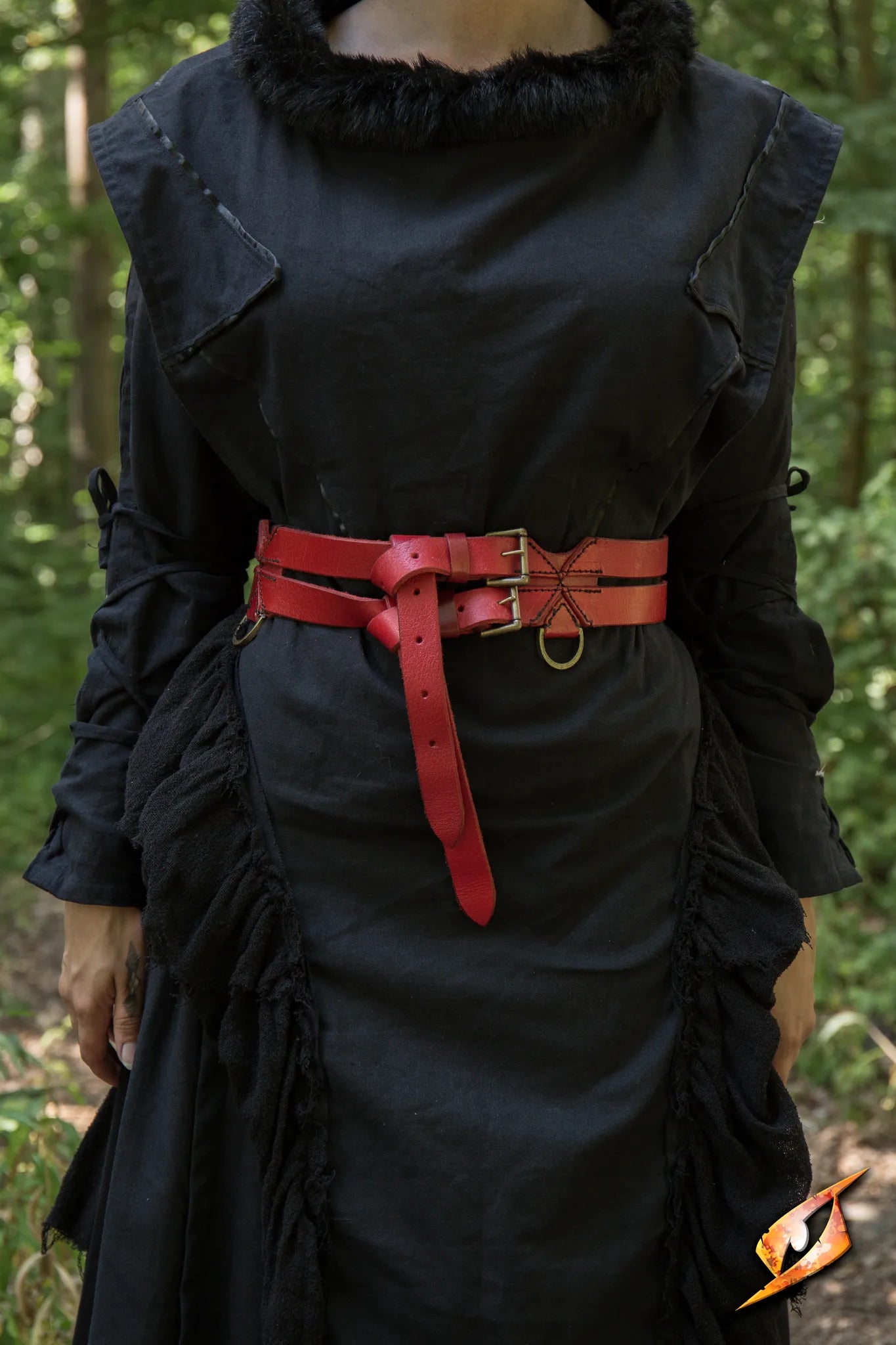
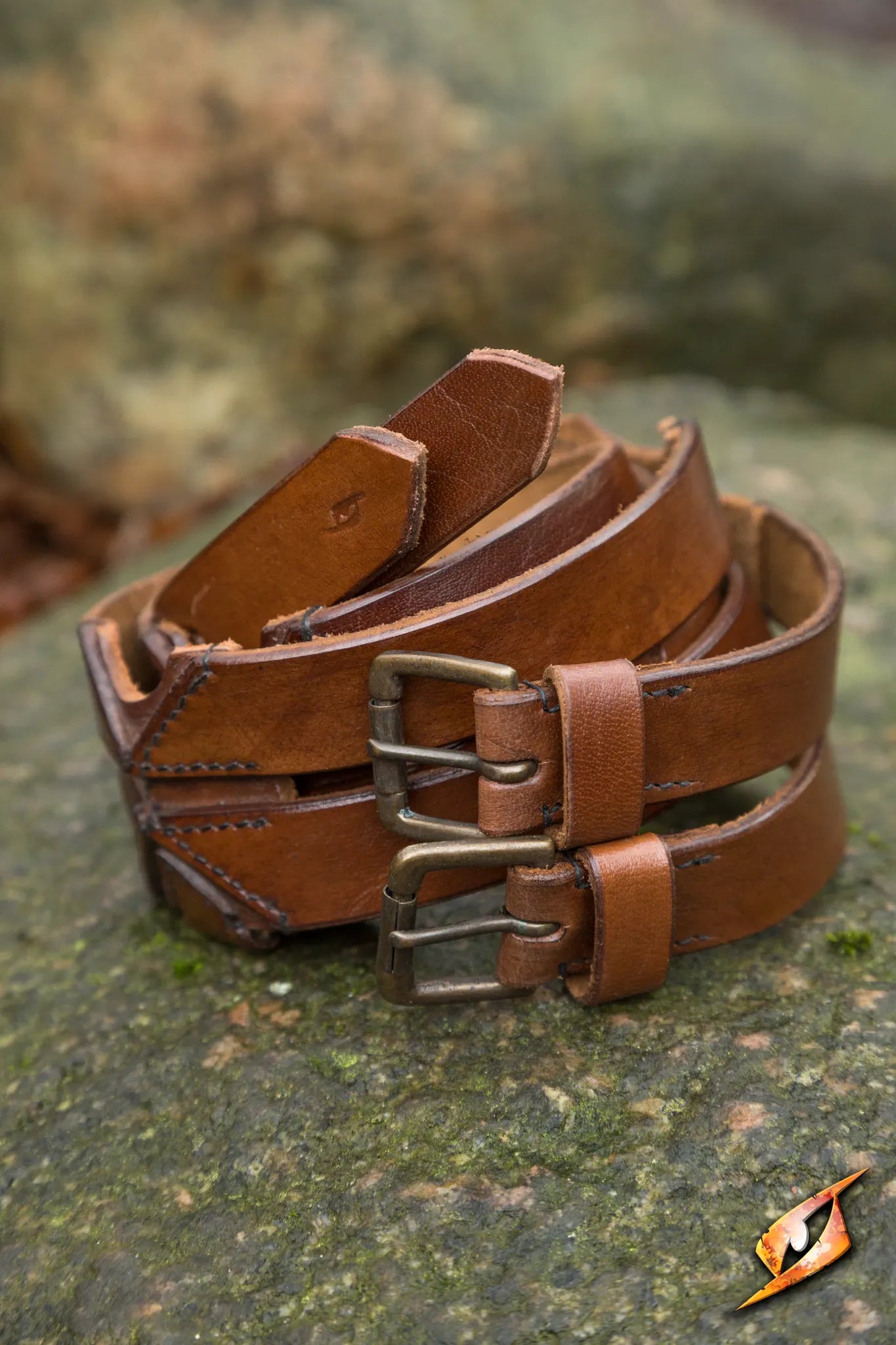
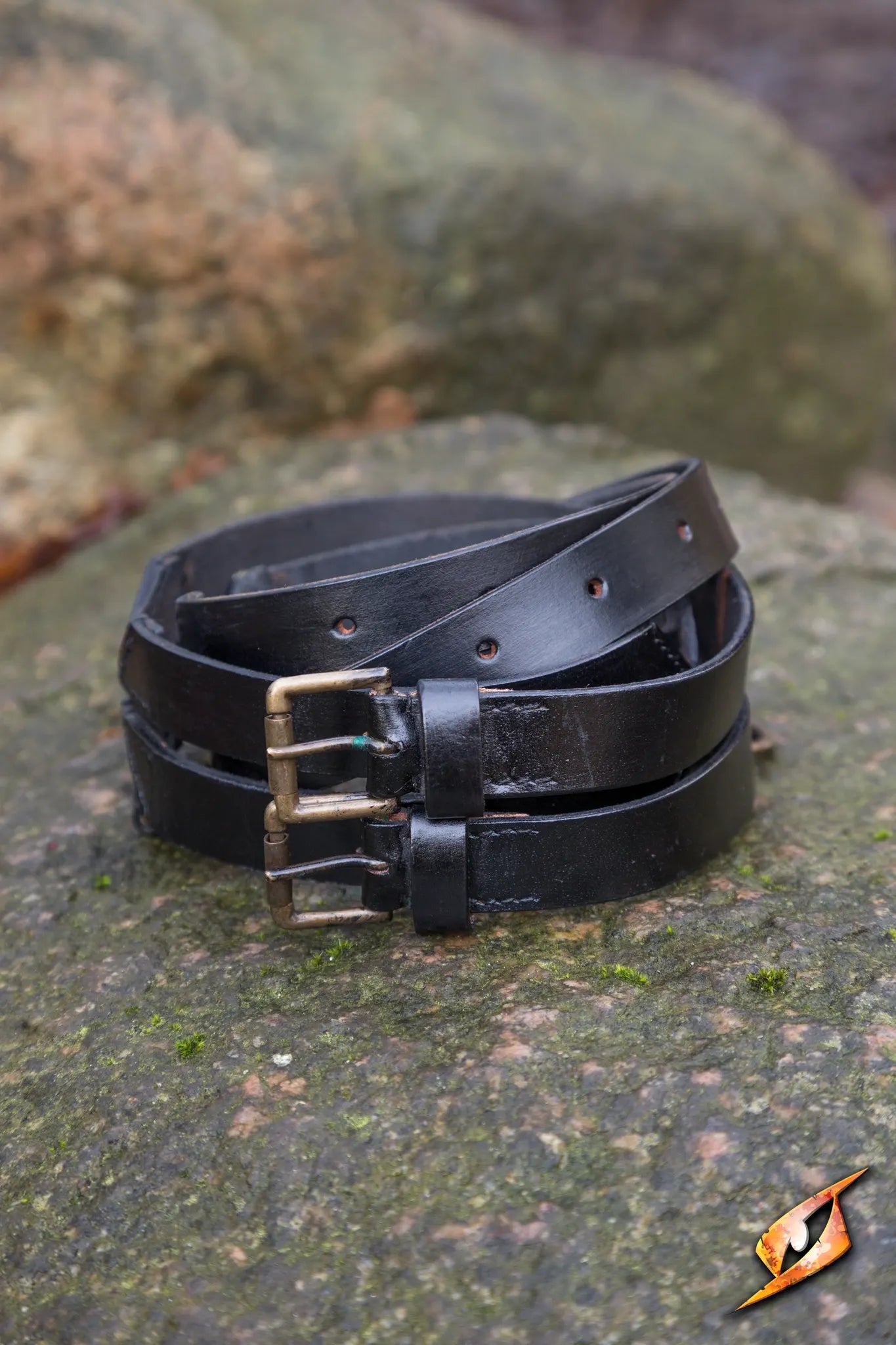
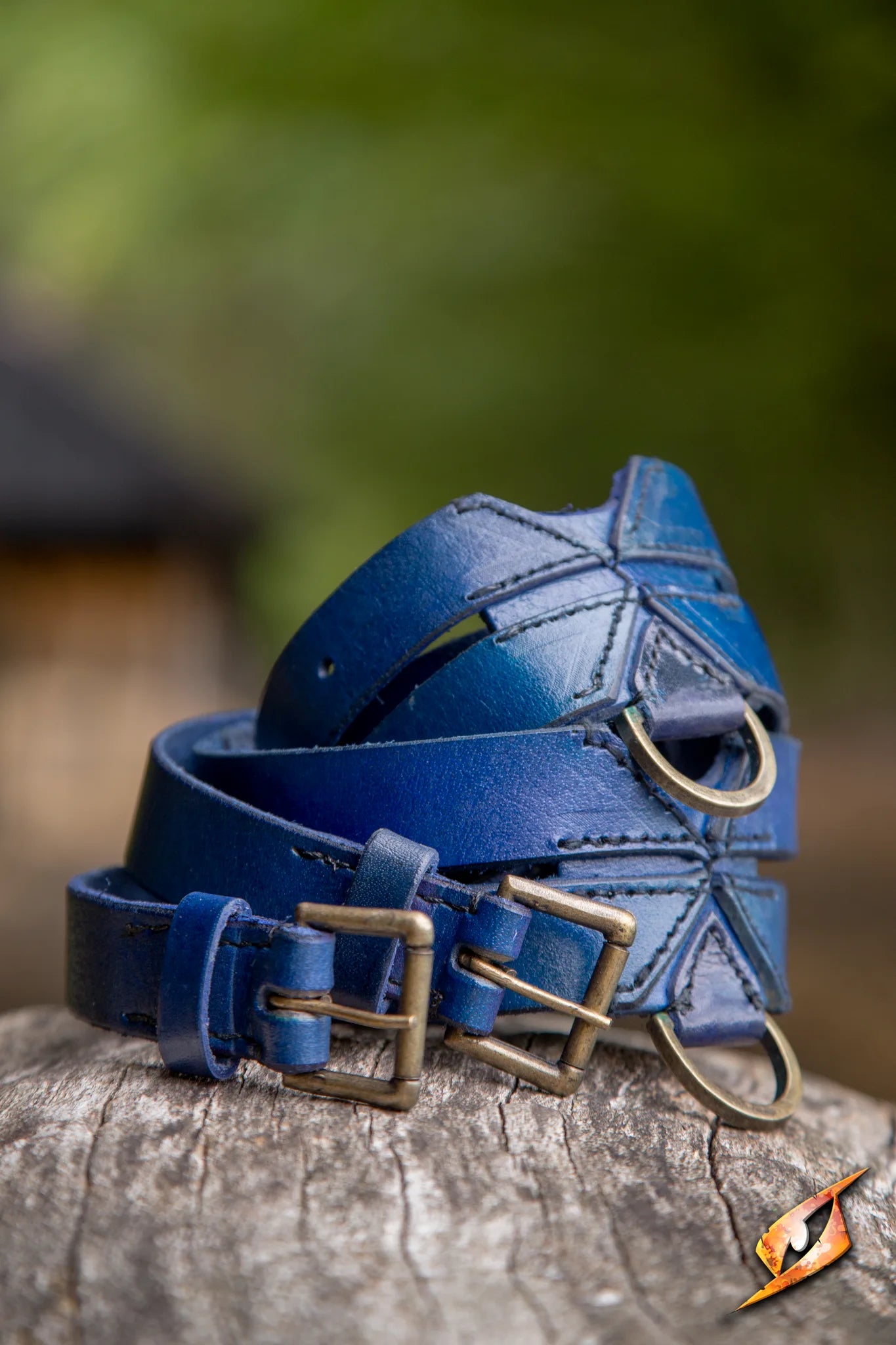
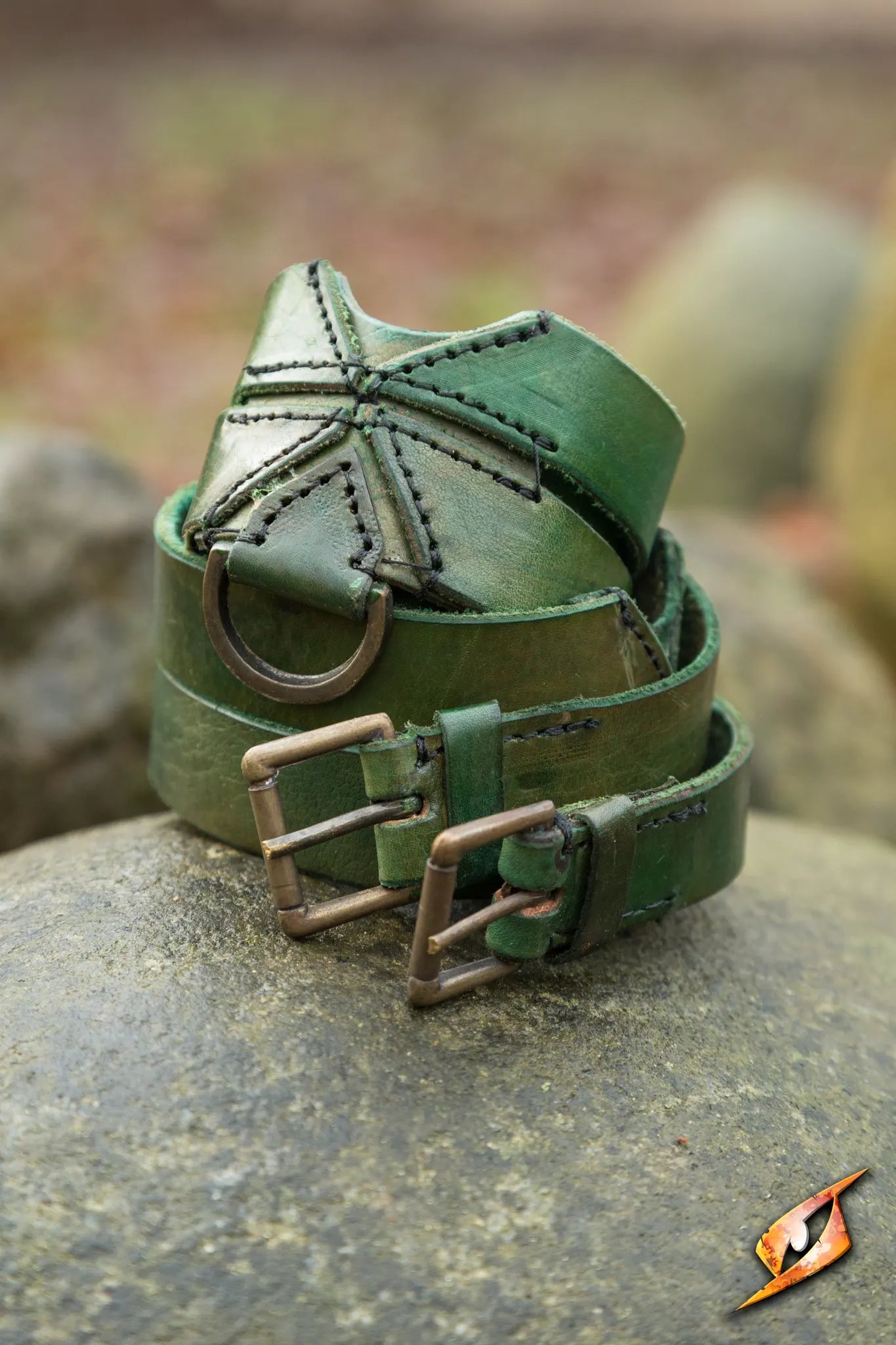
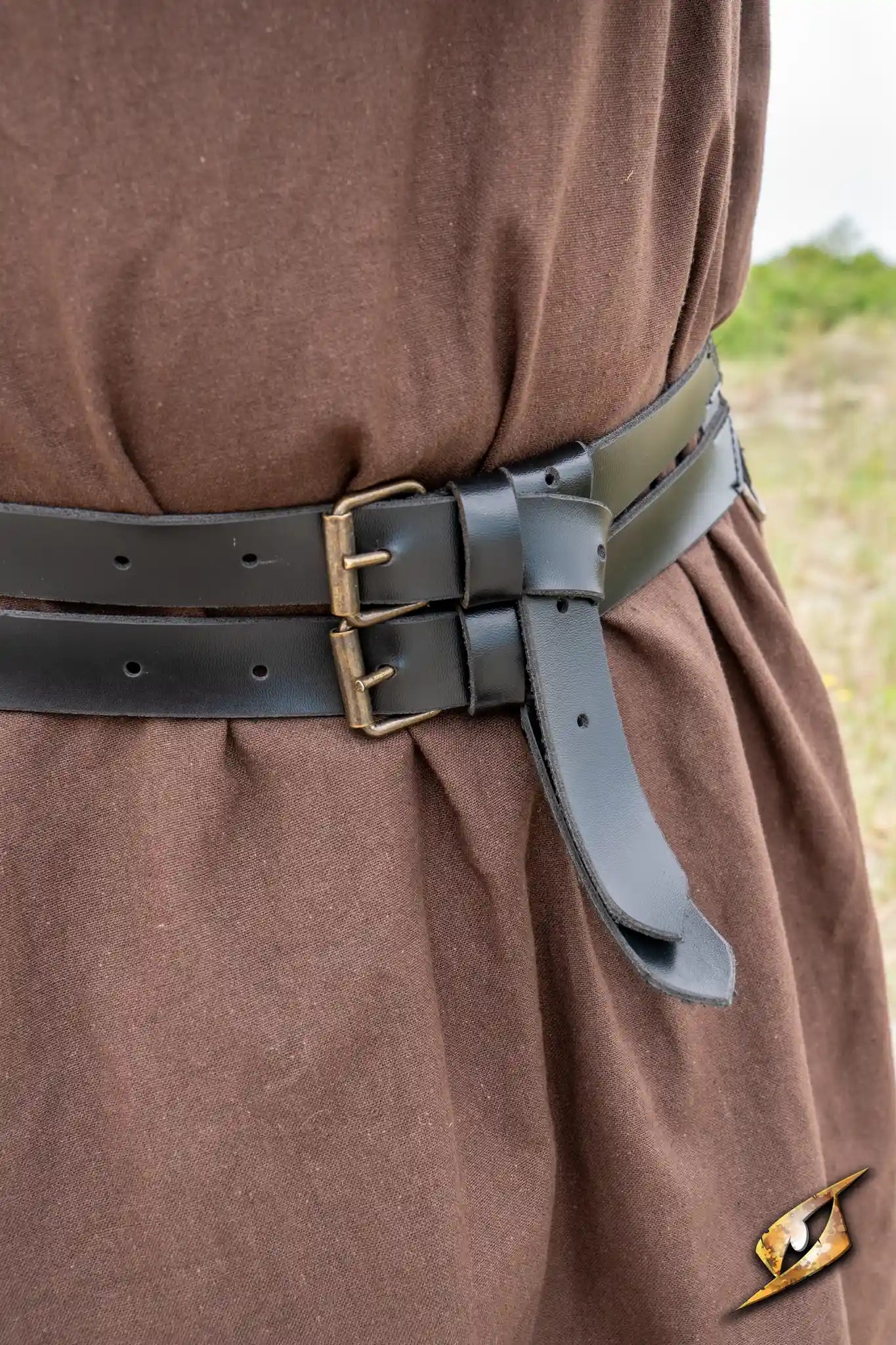
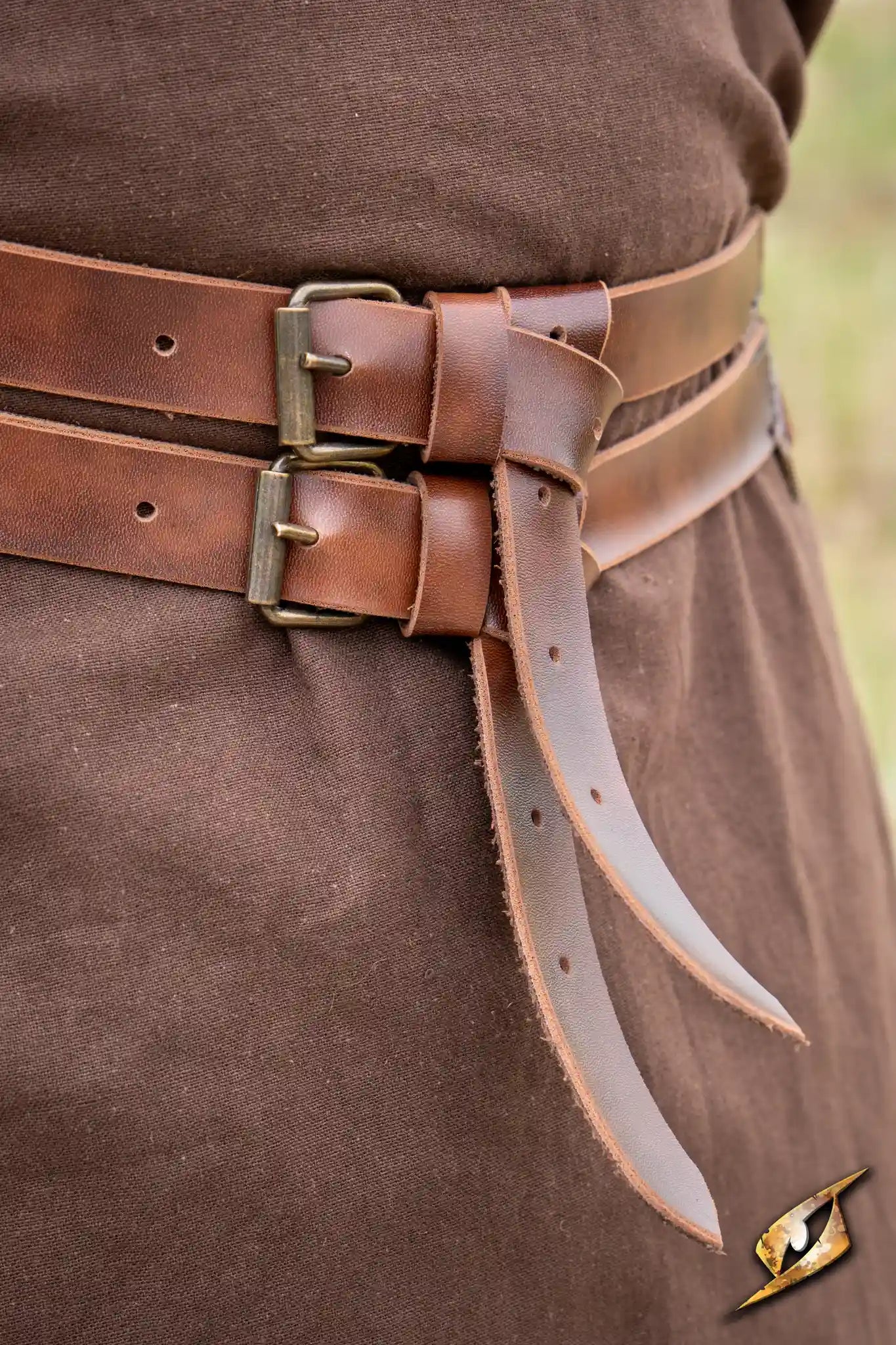
Baldrics, sword belts, and swordholders: Three ways to carry a blade: an over-shoulder baldric that stays put when you run, a laced sword belt for the classic waist carry, or a swordholder that hangs from any belt you already own.
-
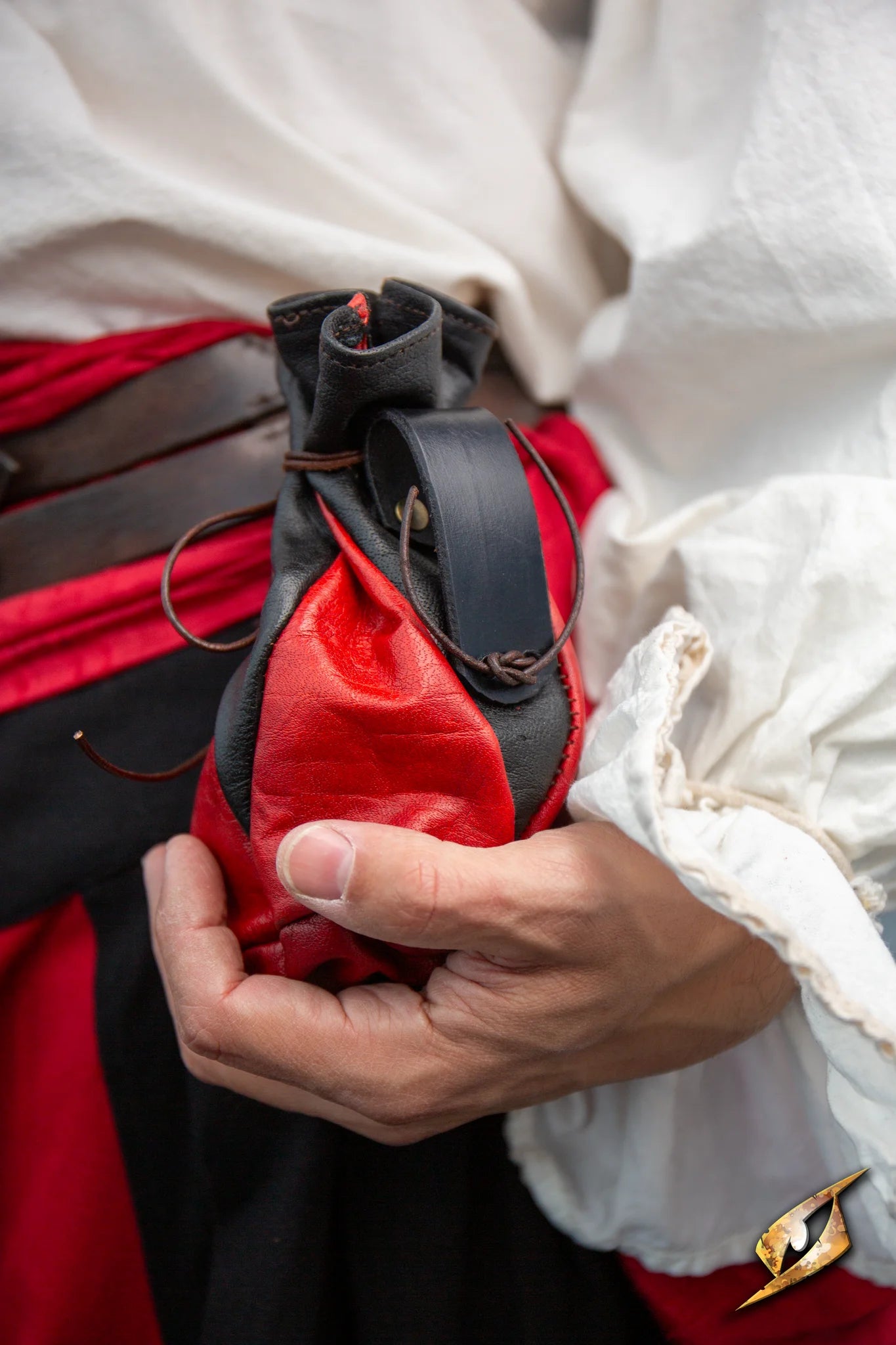
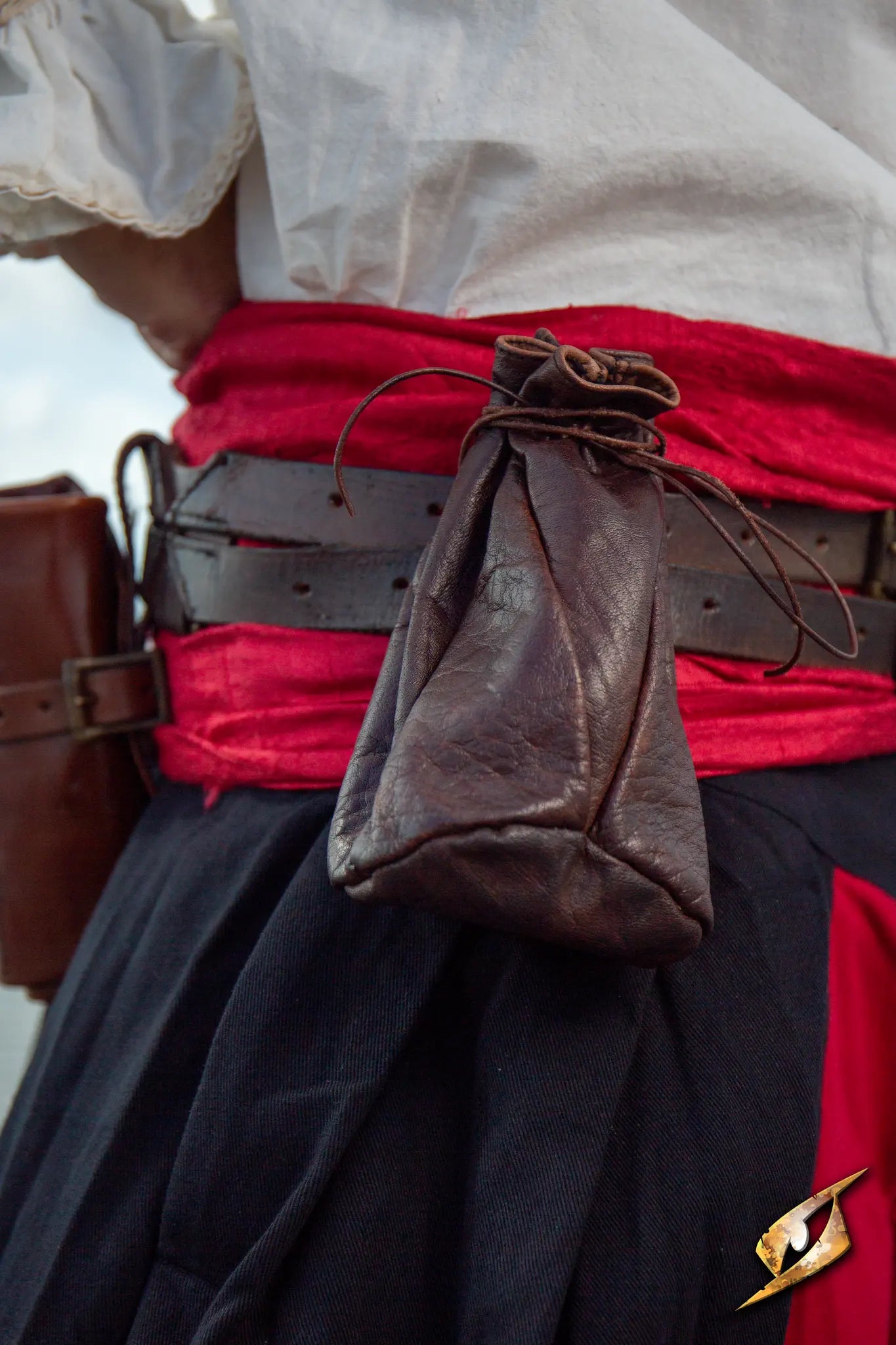
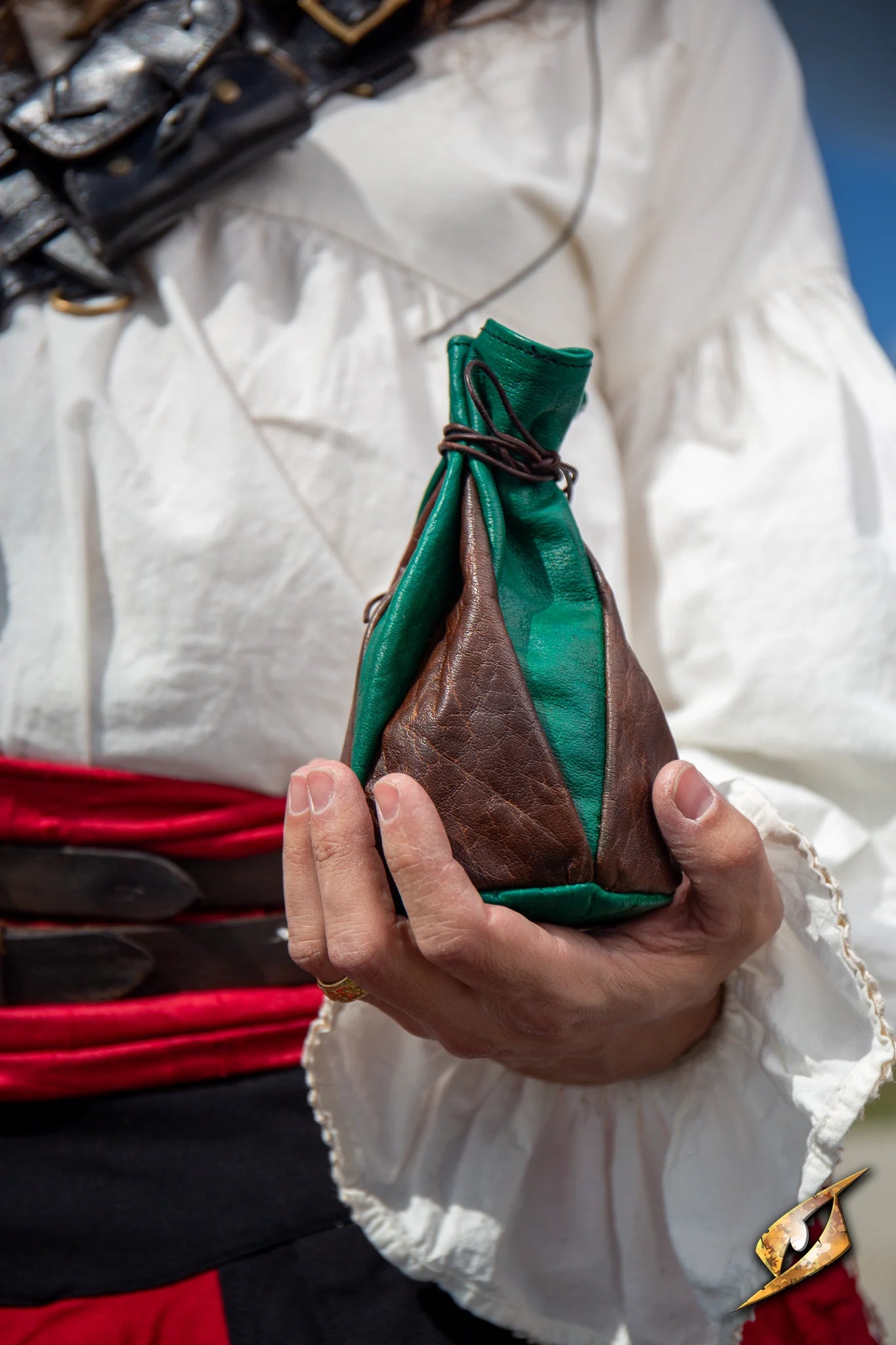
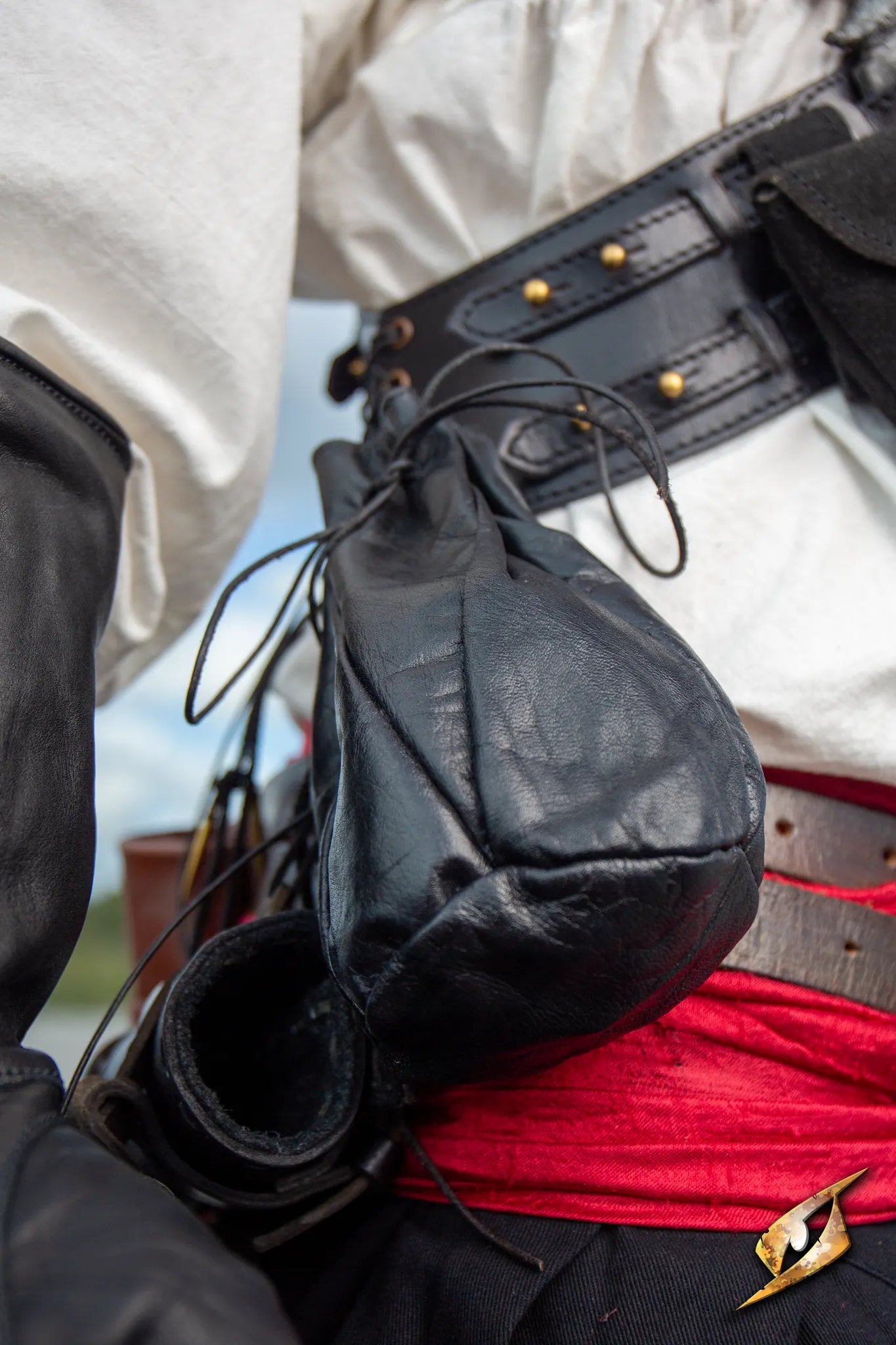
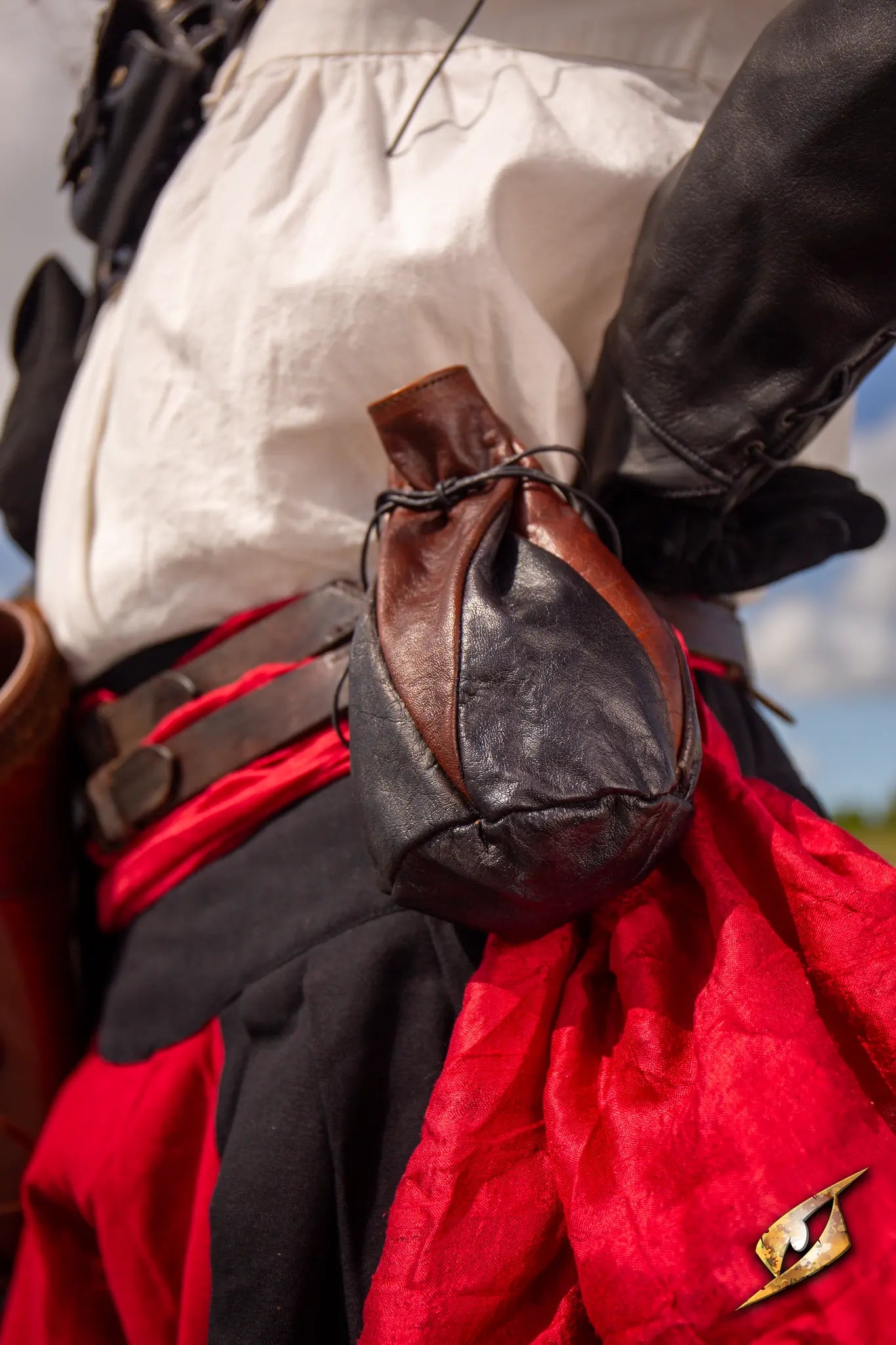
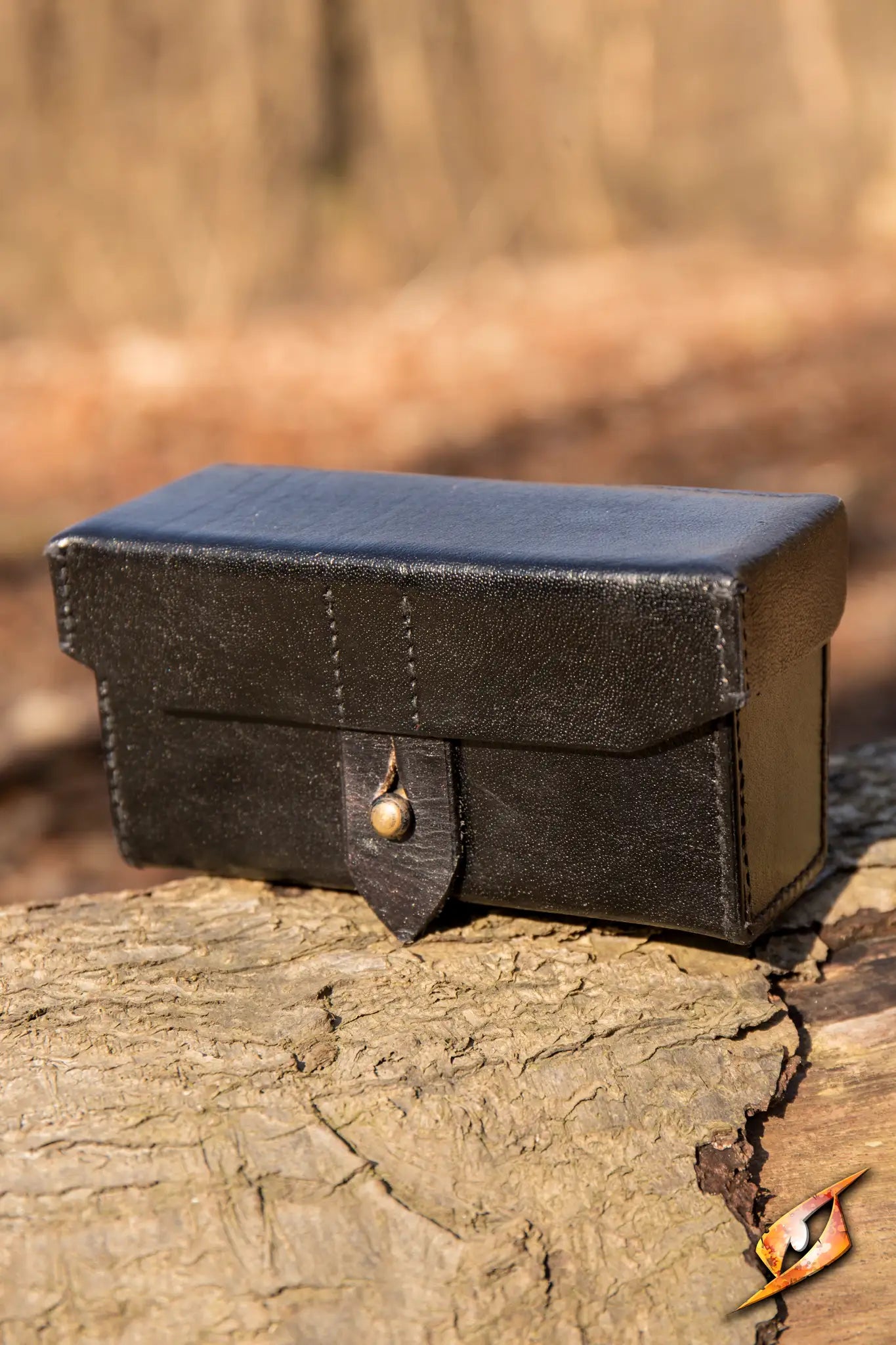
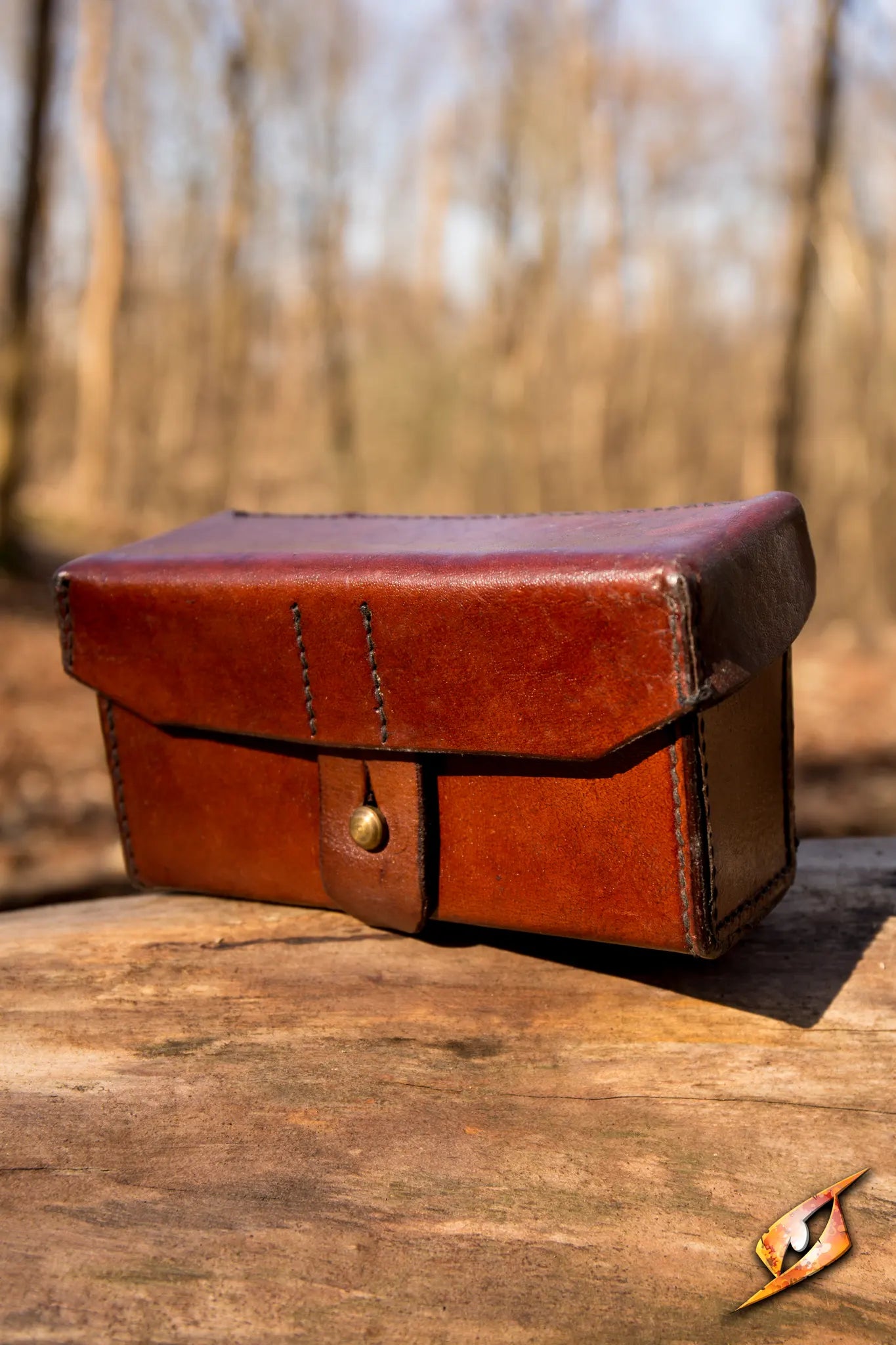
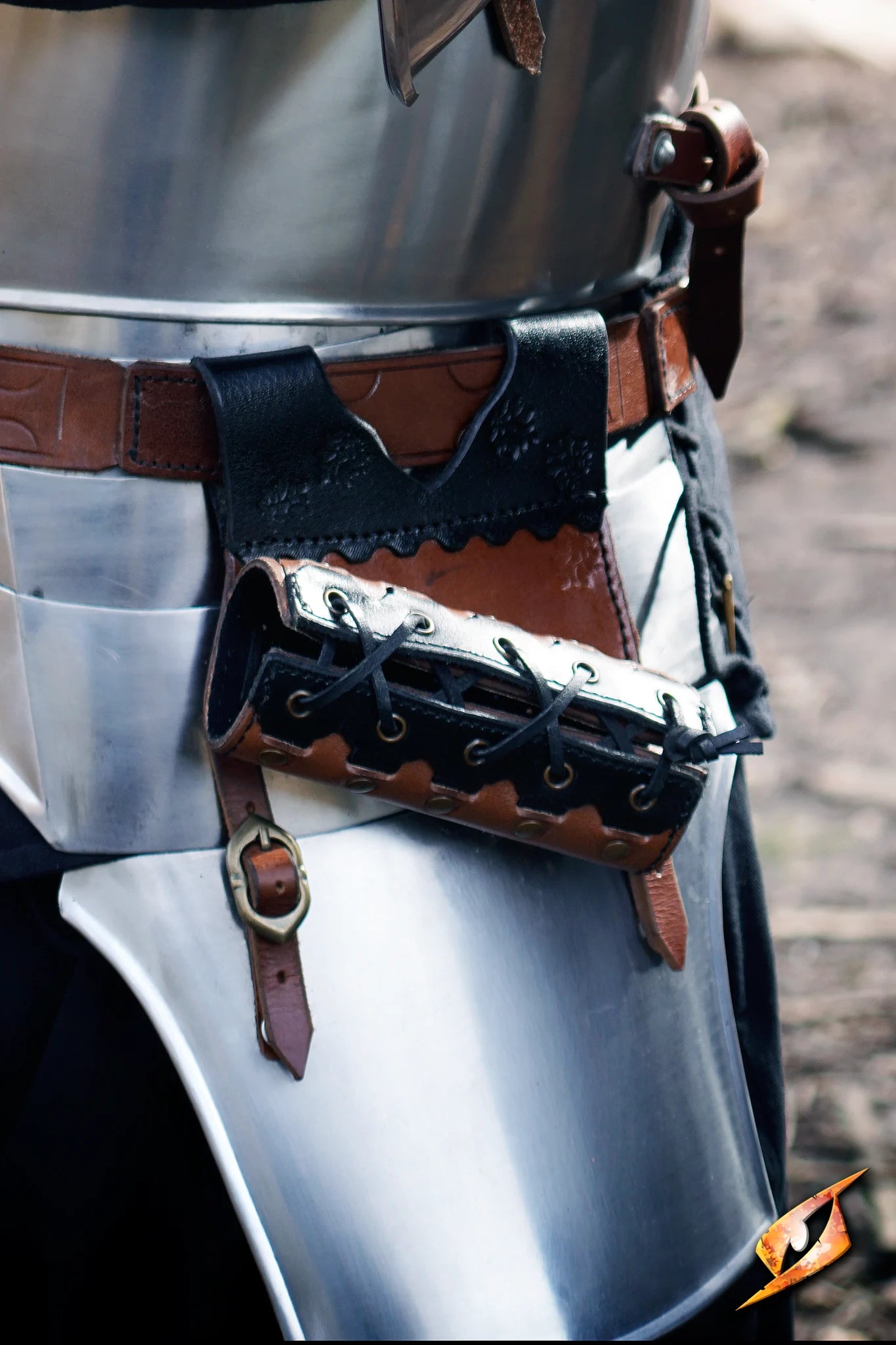
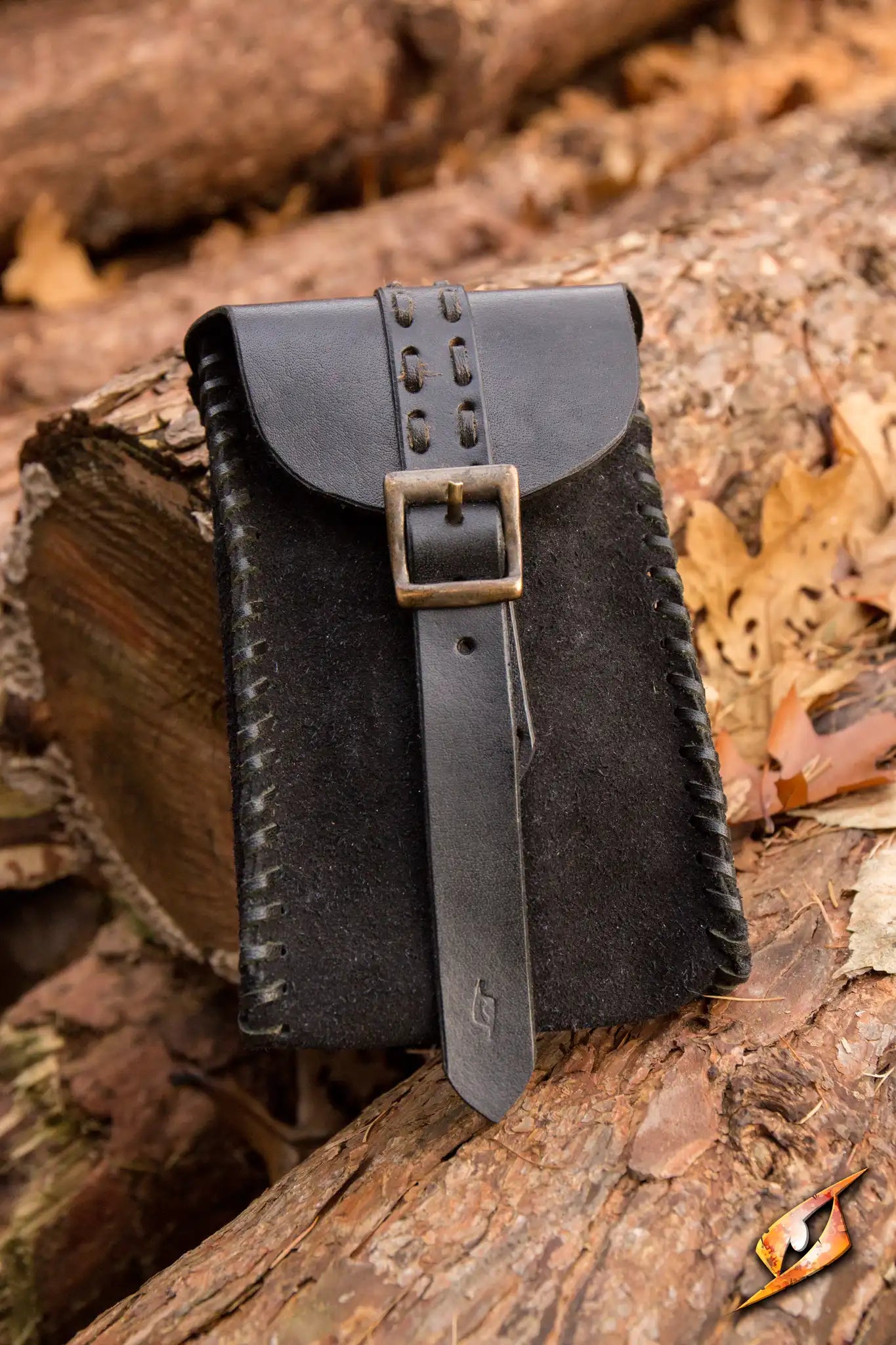
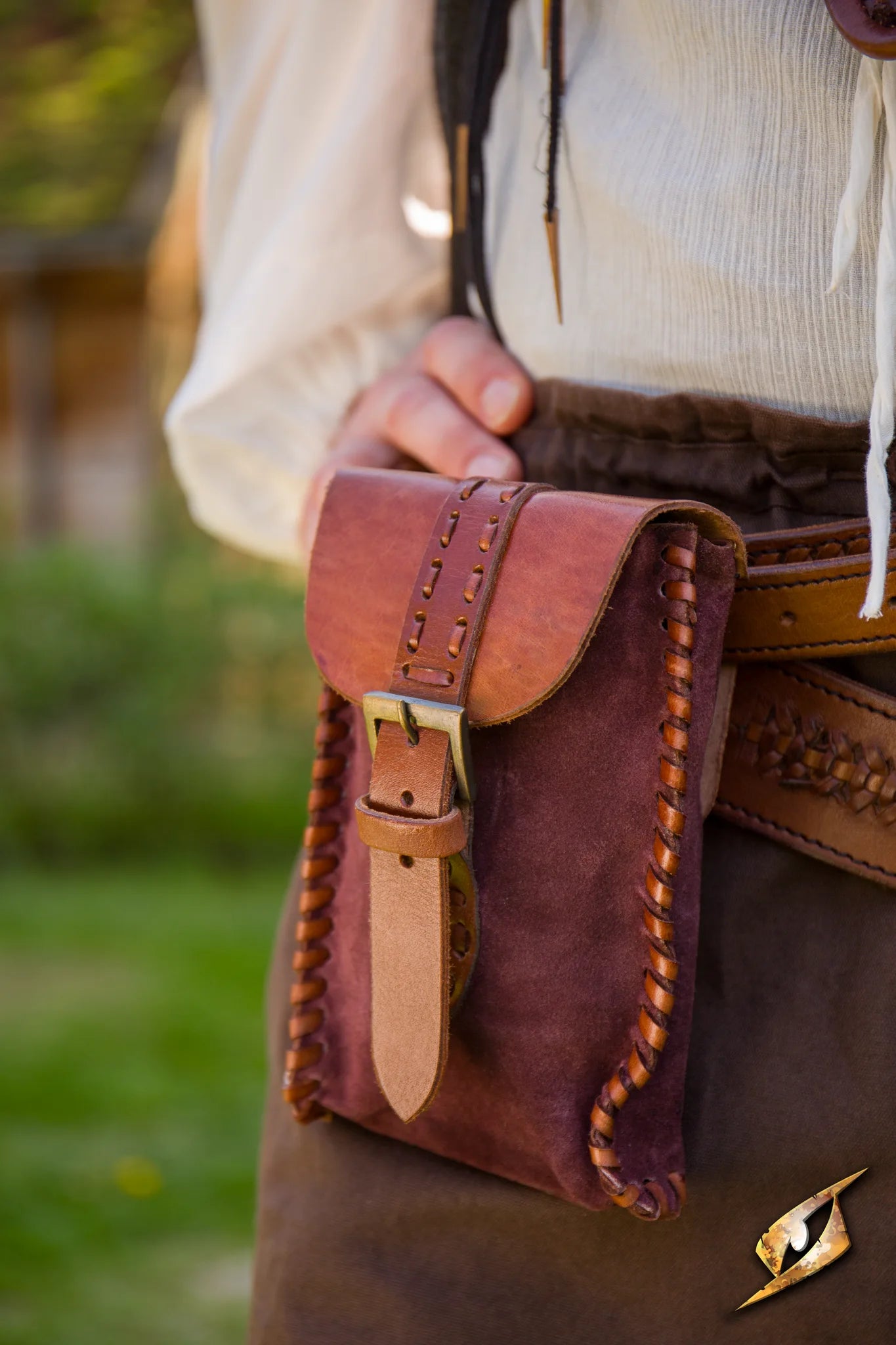
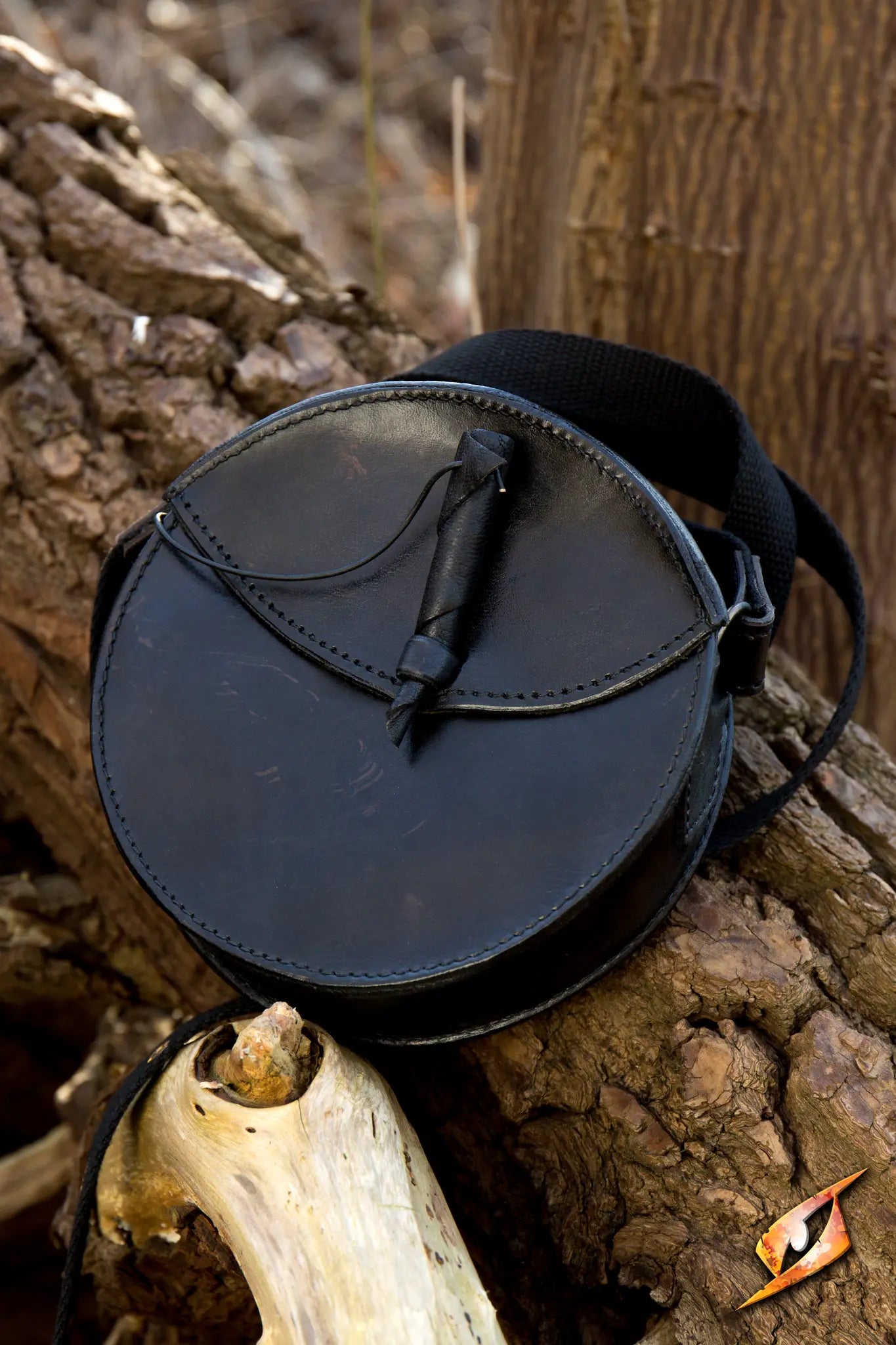
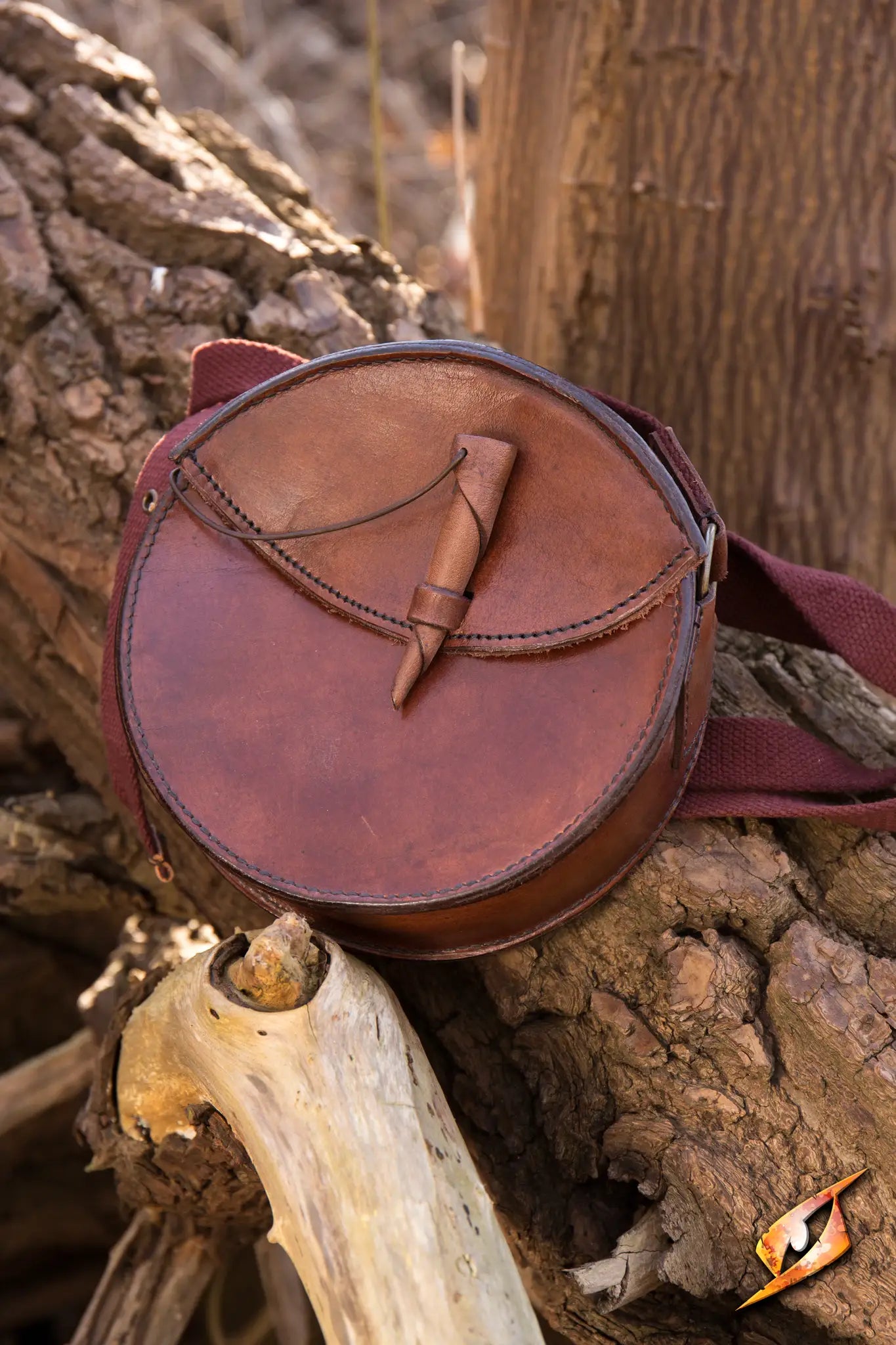
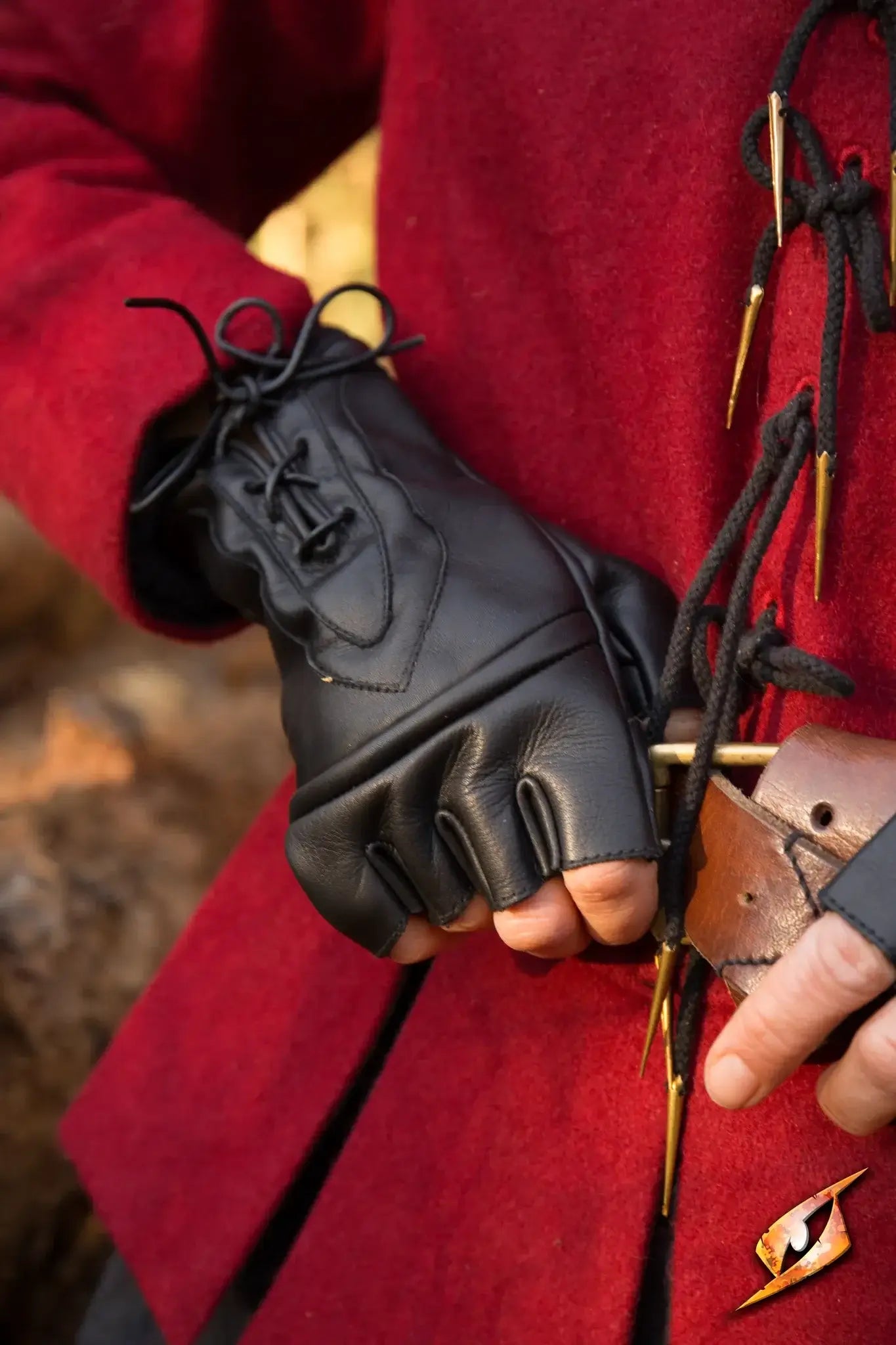
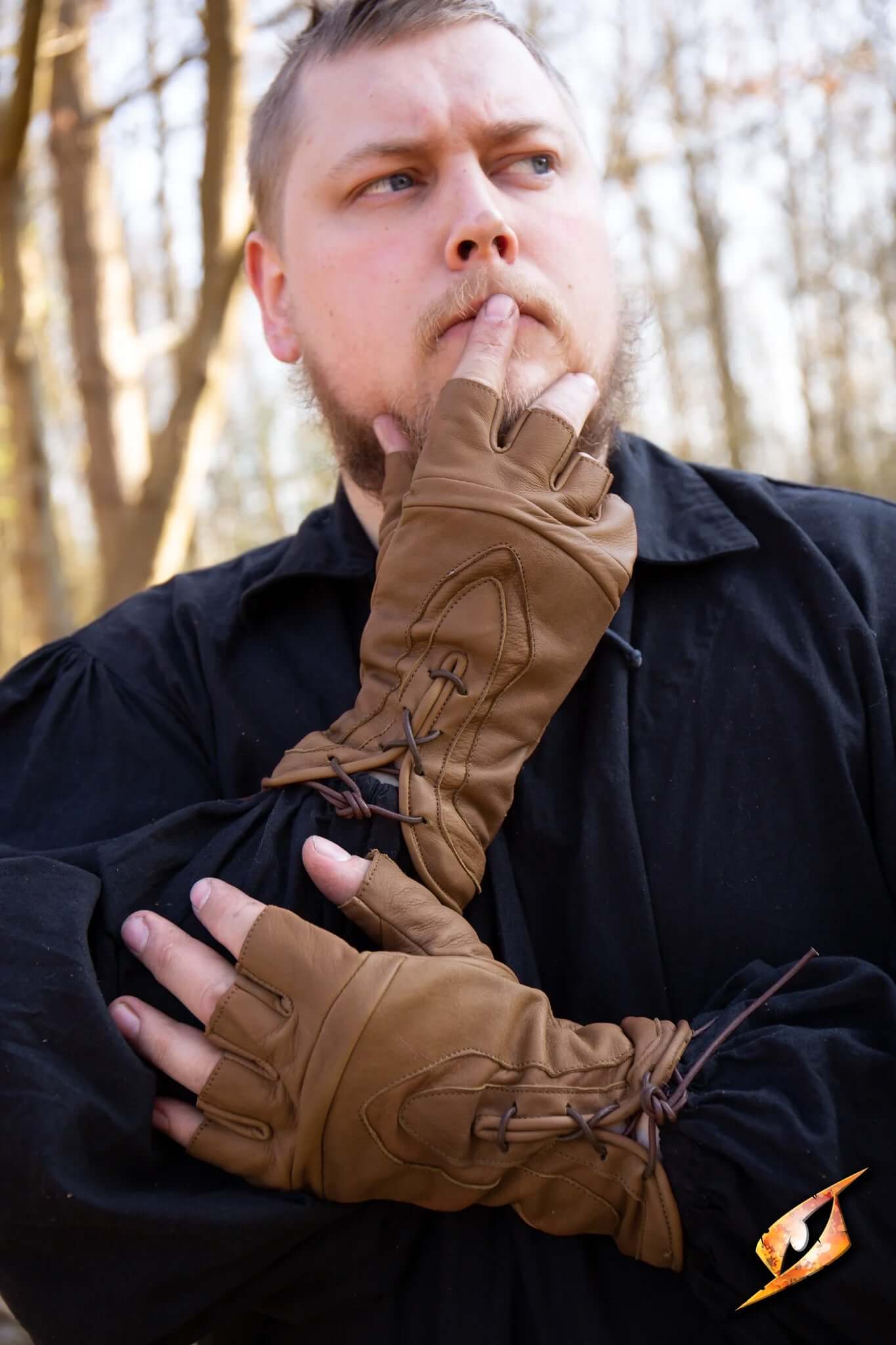
Bags, pouches, and gloves: Leather bags, a bounty hunter's pouch, and a bandolier, the details that separate a character from an outfit.
Rank Is a Matter of Layers
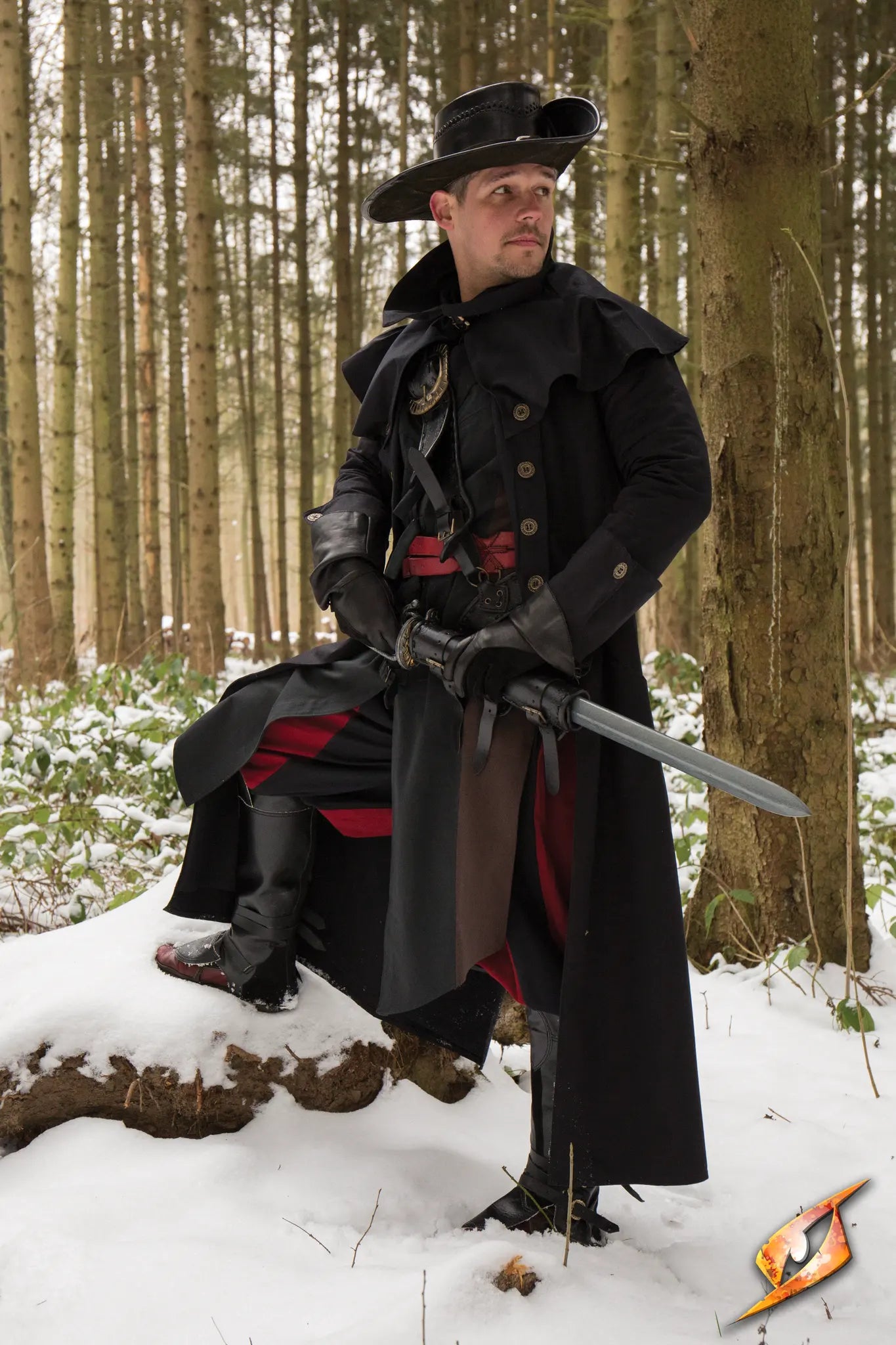
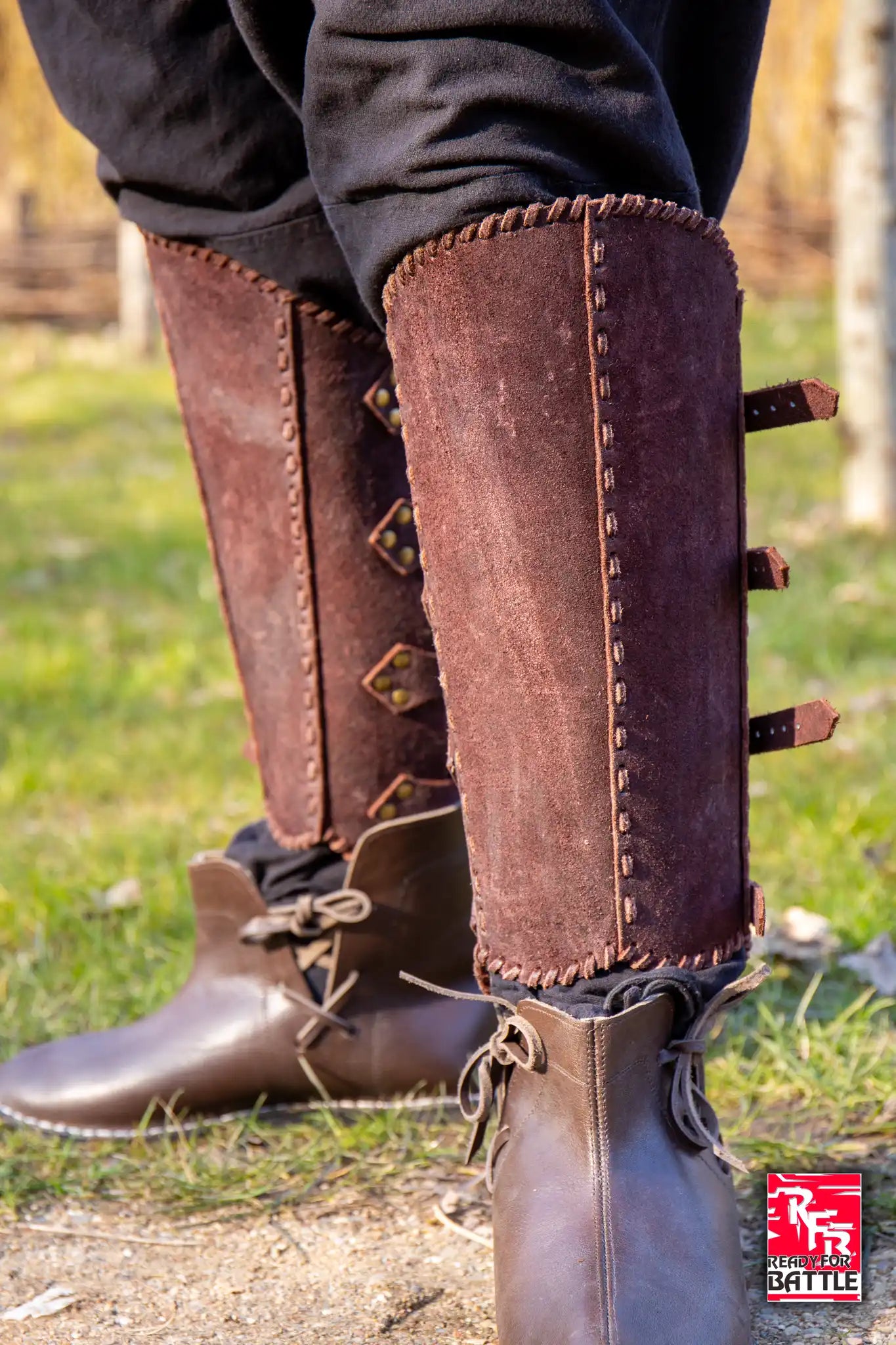
Real sailors of the Golden Age wore slops: loose, cheap, practical working clothes. Rank was whatever you layered on top of them, usually taken from someone else's wardrobe at sword-point. Build yours the same way. A shirt, dark trousers, and a headscarf make a deckhand nobody questions. Add a vest or jerkin, a sword belt, and greaves, and you're a working corsair. A doublet, a coat, and a leather tricorn from our [pirate hats] collection put you in the captain's cabin, and every piece you bought along the way still earns its keep underneath. Nothing here is locked to one character either: the same wardrobe serves musketeers, highwaymen, privateers, and merchants of the 17th and 18th centuries.
Practical at the Event, Not Just in the Mirror
Cotton breathes through hot festival days and washes clean after wet ones, which matters more on day three of a campaign than in any product photo. Darker colors hide mud and travel wear, drawstrings and lacing let one shirt fit over a base layer in winter or on bare skin in summer, and the leather only improves with age. Pair everything here with trousers from our wider clothing range, then finish downward with [pirate boots].
Frequently Asked Questions
Where do I start if I'm building from scratch?
The shirt, always. With dark trousers and a belt you already read as pirate, and every later purchase, vest, doublet, coat, stacks on top without replacing anything.
How do I pick a size?
Check the measurements on each product page. Pirate garments are cut loose by design, and drawstrings, lacing, and buckles add real range around them.
Baldric, sword belt, or swordholder?
Baldric if you run and fight hard, sword belt for the classic look, swordholder if you want to keep the belt you already own. There's no wrong answer, only character.
Will it hold up to actual LARP combat?
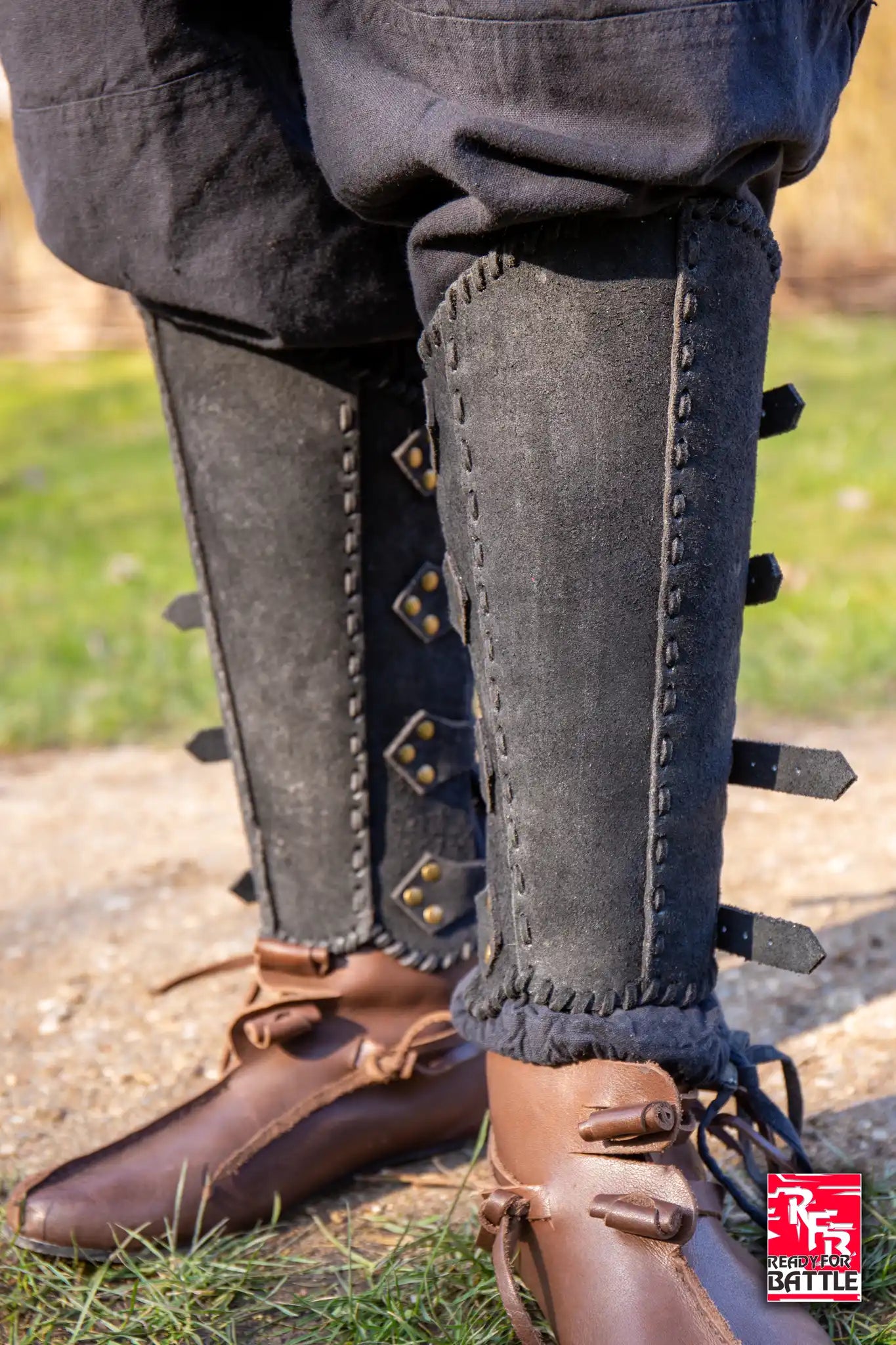
That's what it's made for. The fabrics take mud, rain, and washing, the cuts take fighting, and the greaves in this collection strap straight over the top when blades come out.
Is this a costume-in-a-bag?
The opposite. Real cotton, canvas, and full grain leather, sold as separate garments, built for years of events rather than one evening.
Take Command
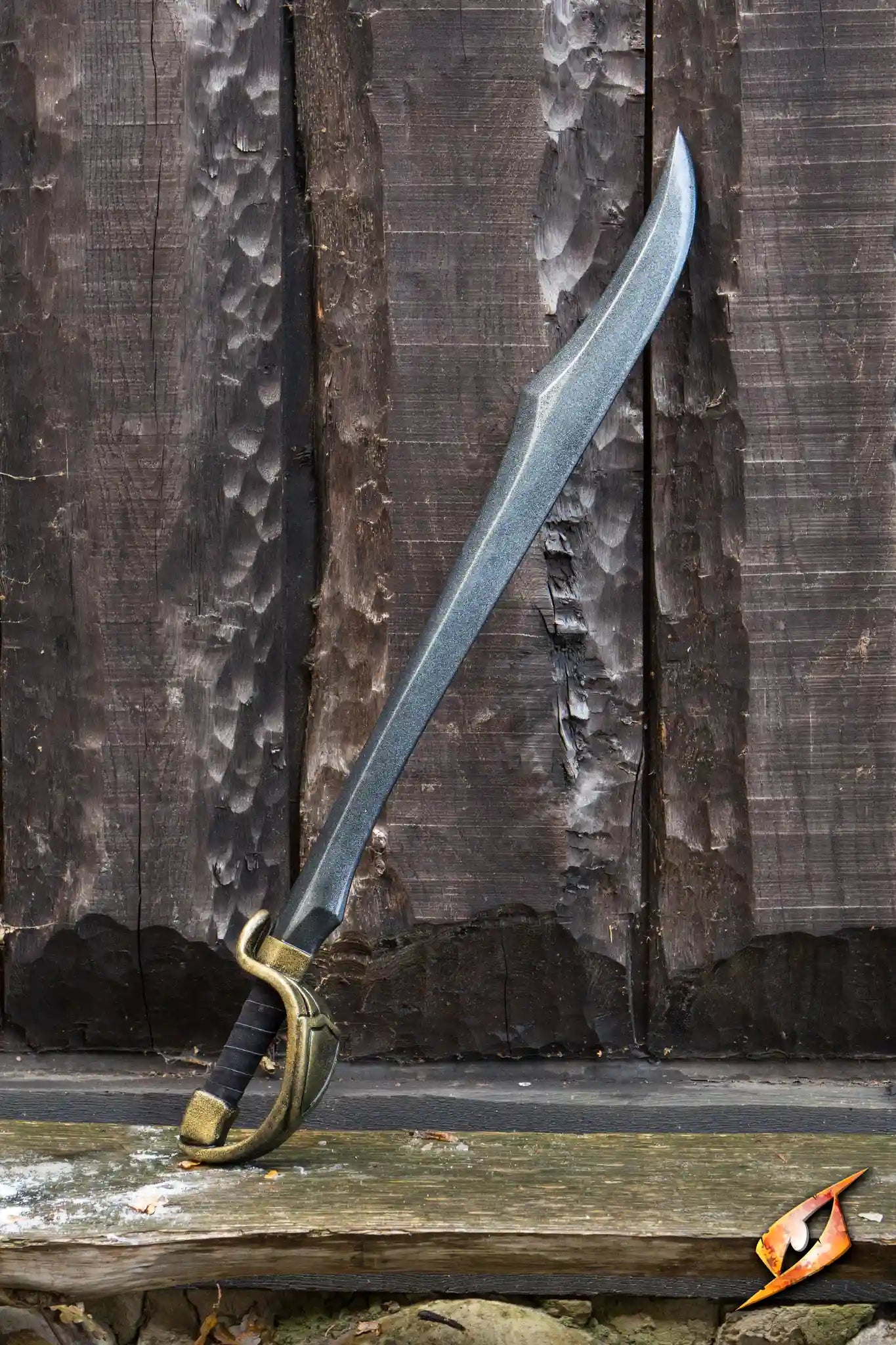
Start at the shirt and work up to the coat. Arm yourself in pirate swords, top it with a pirate hat, ground it with pirate boots.