



Recently viewed products
Pirate Swords
Safe for Combat, Made for Swagger
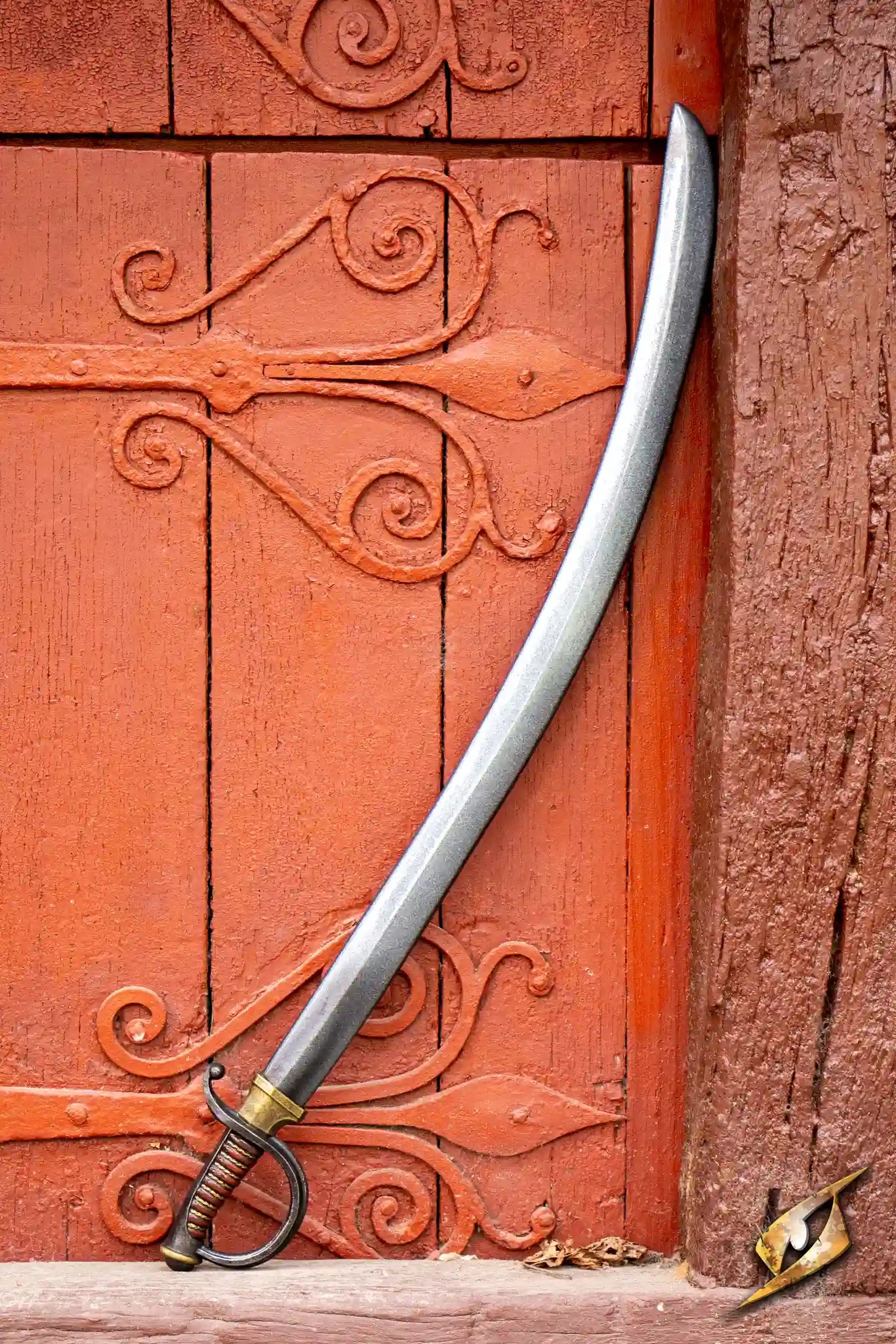
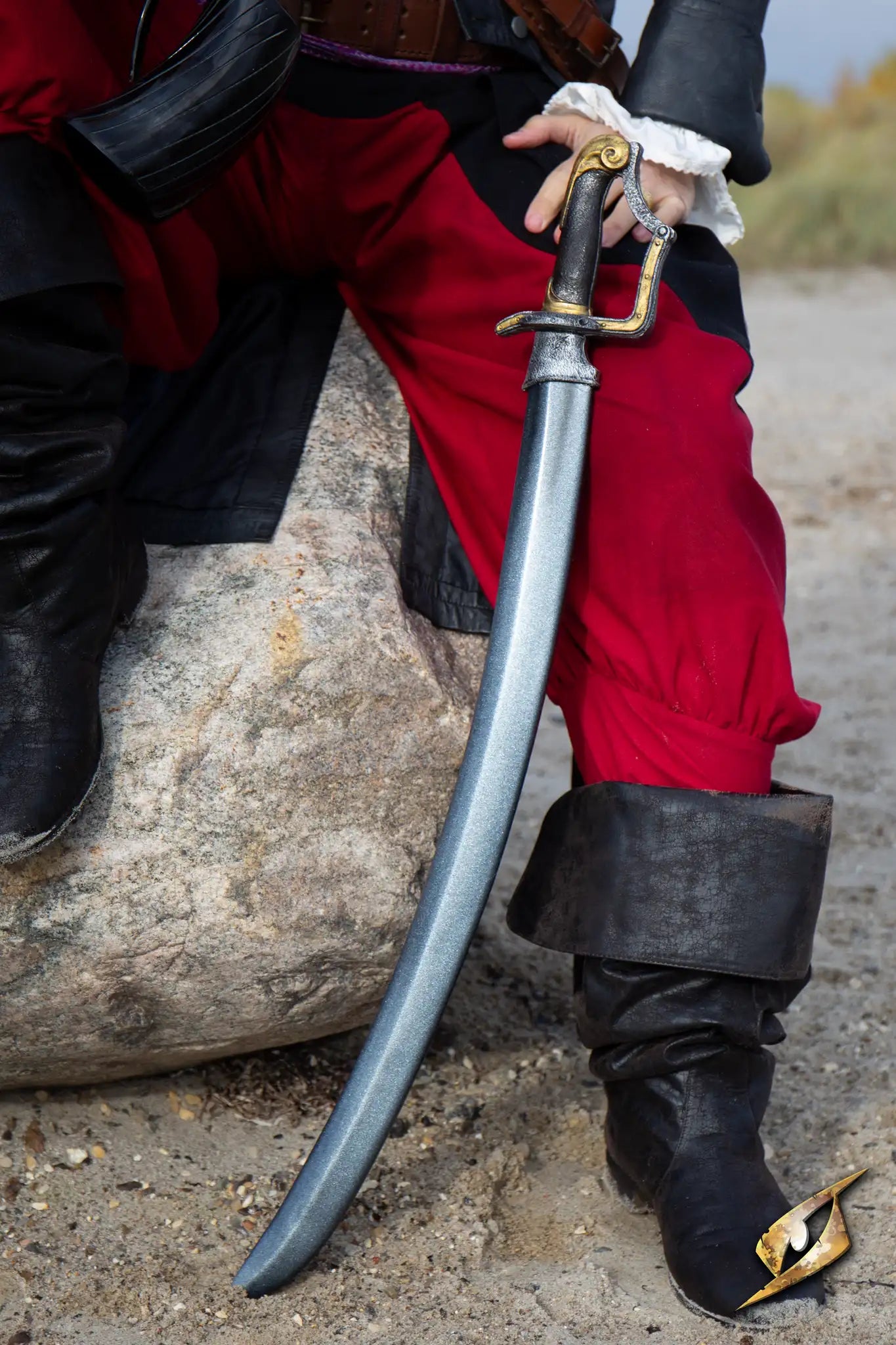
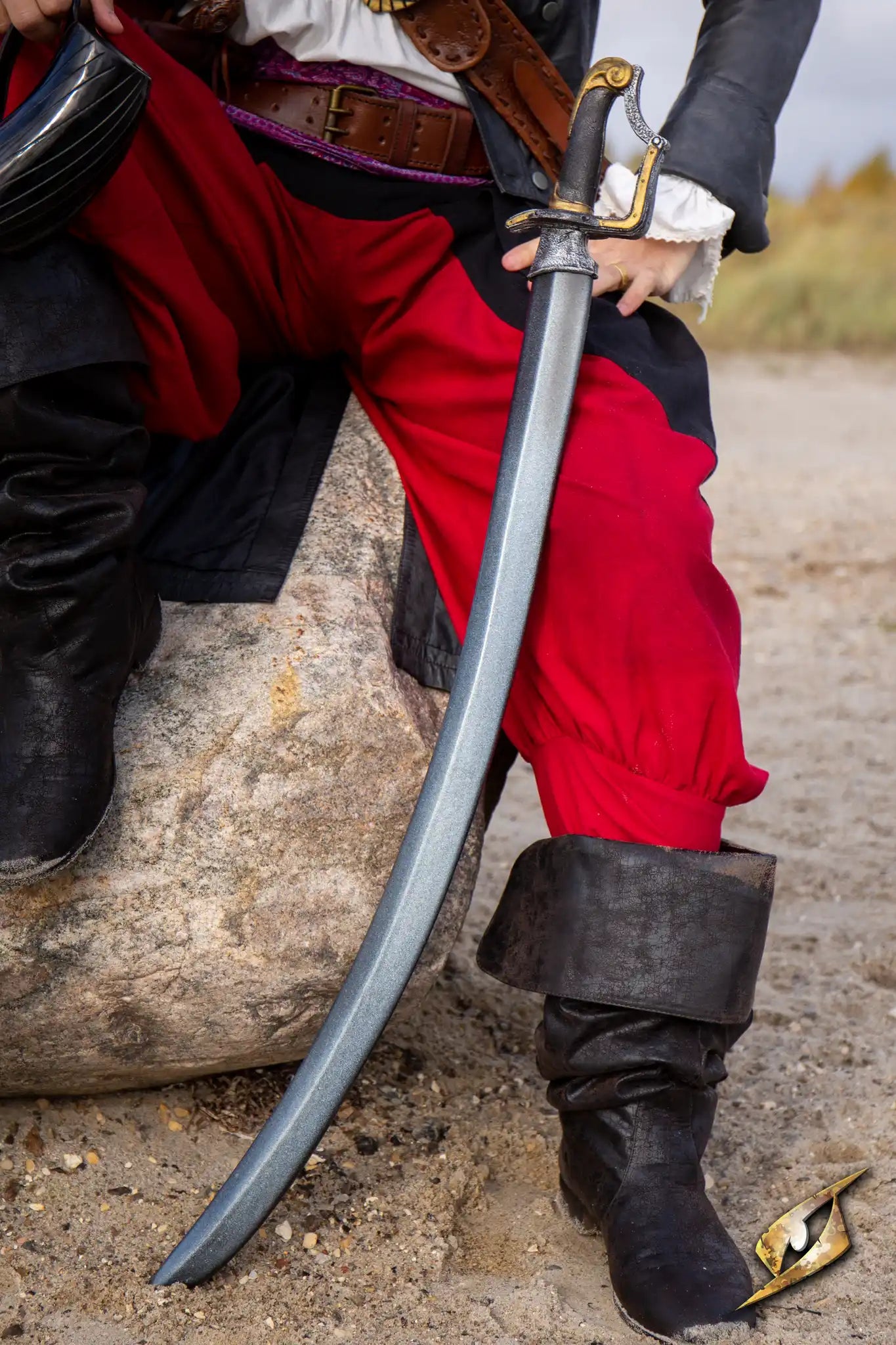
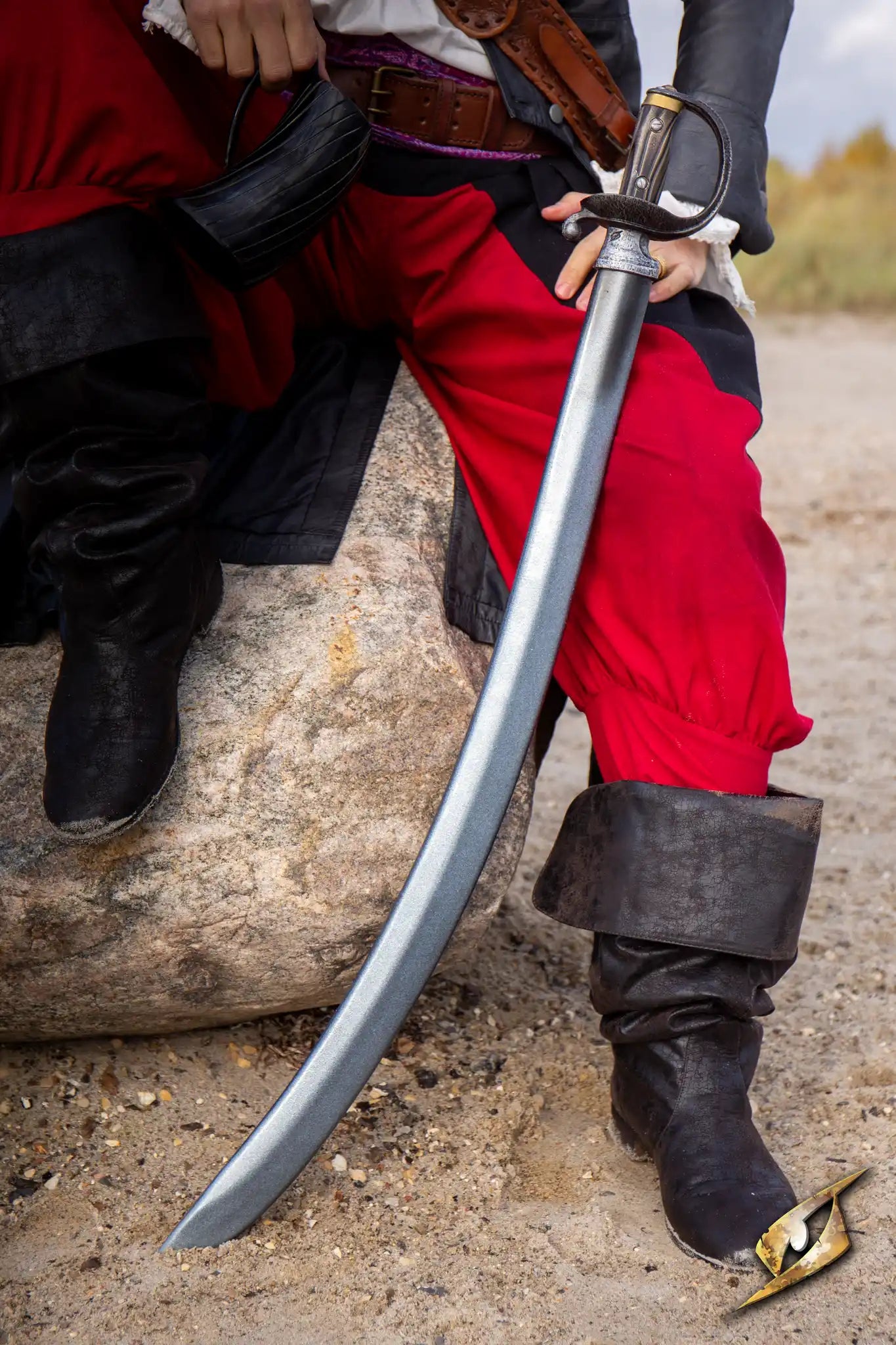
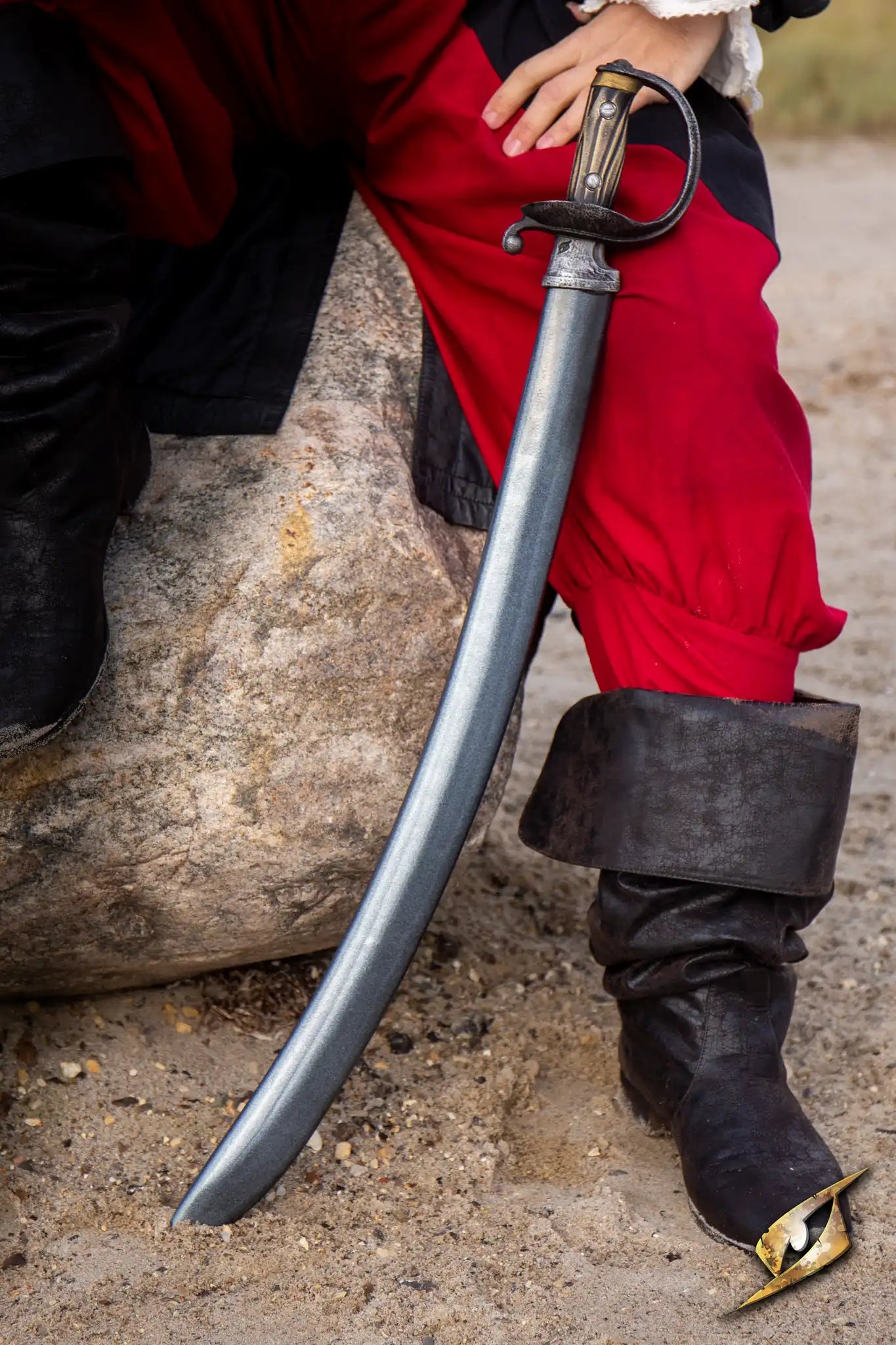
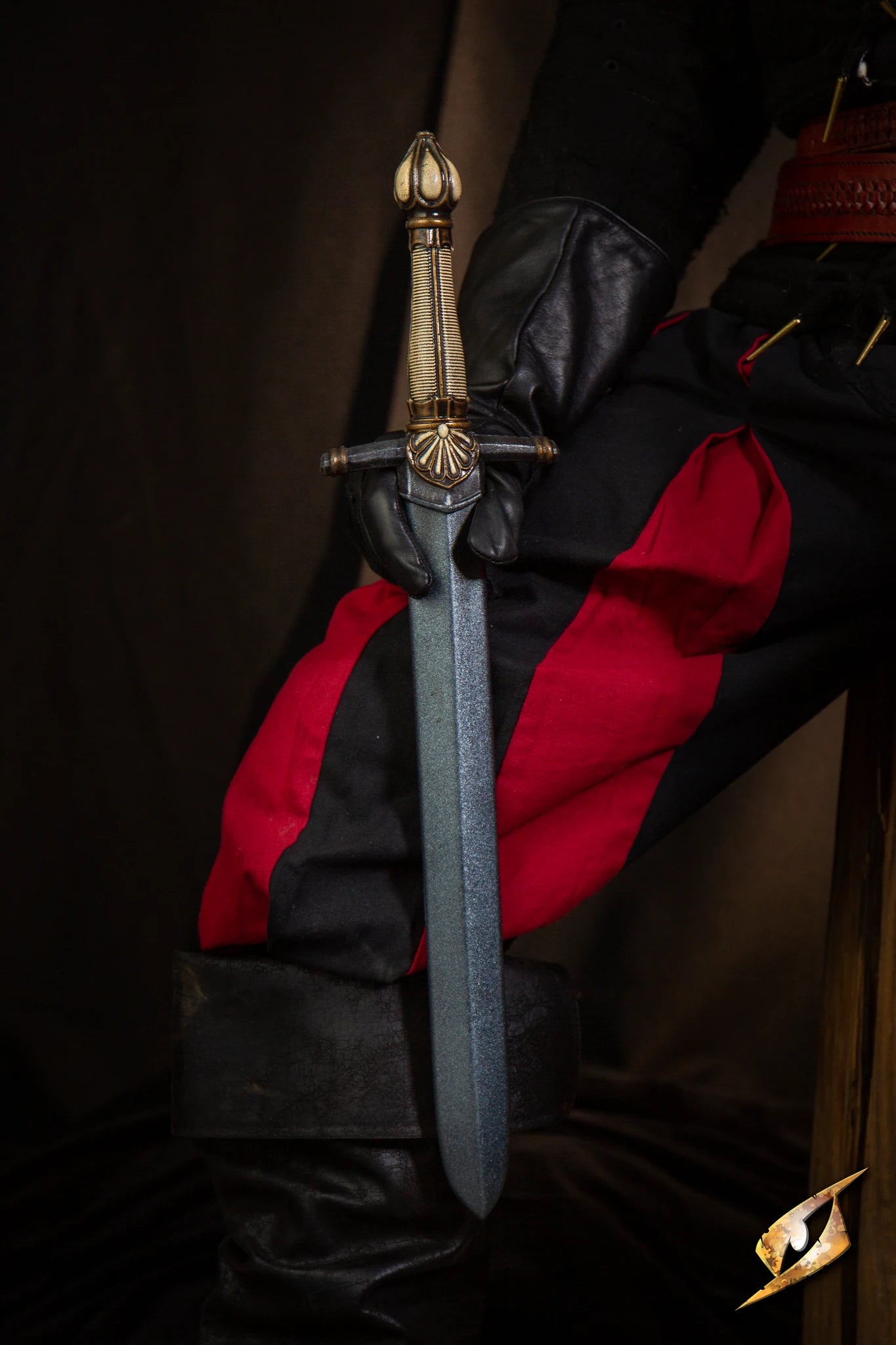
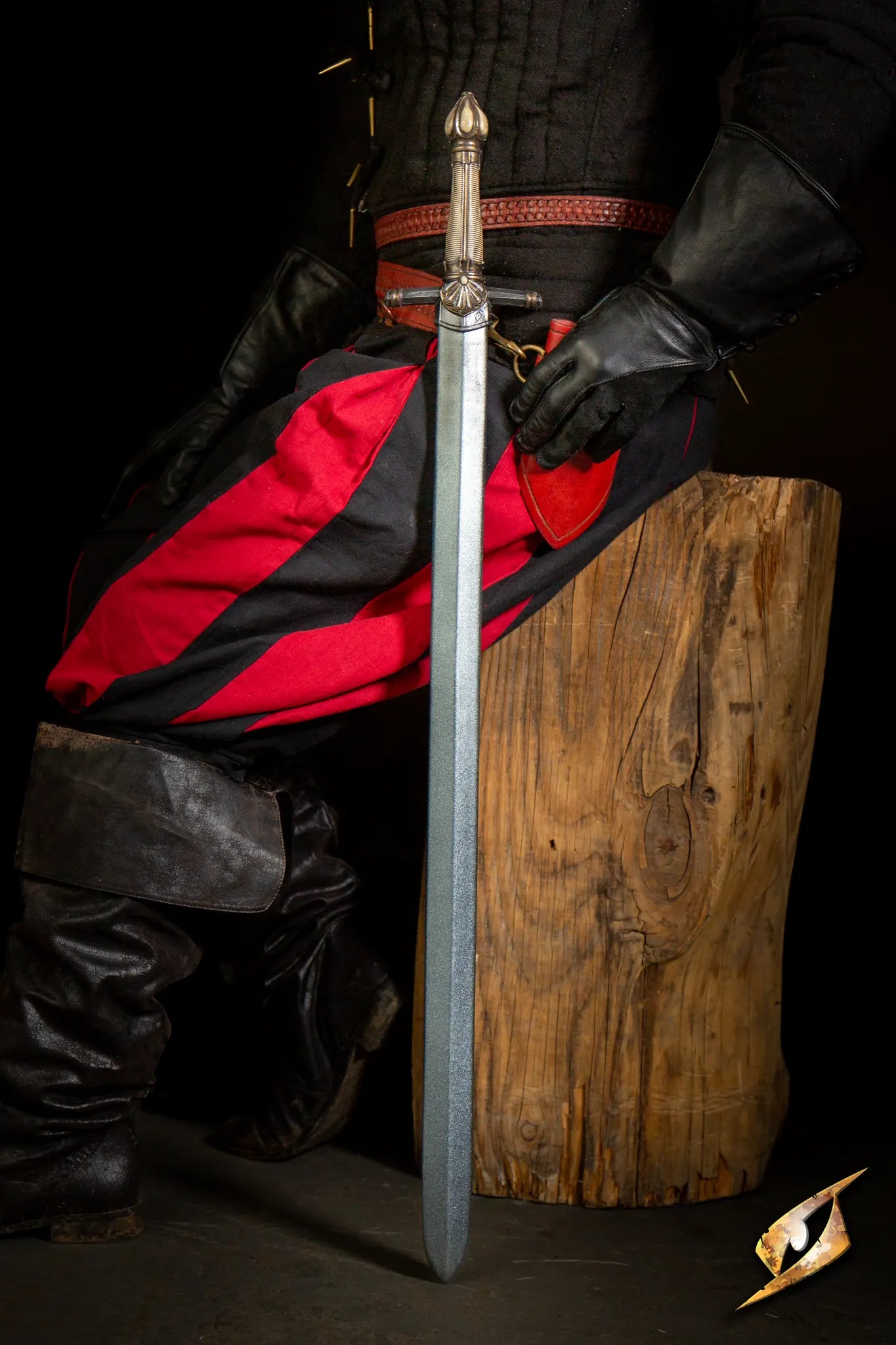
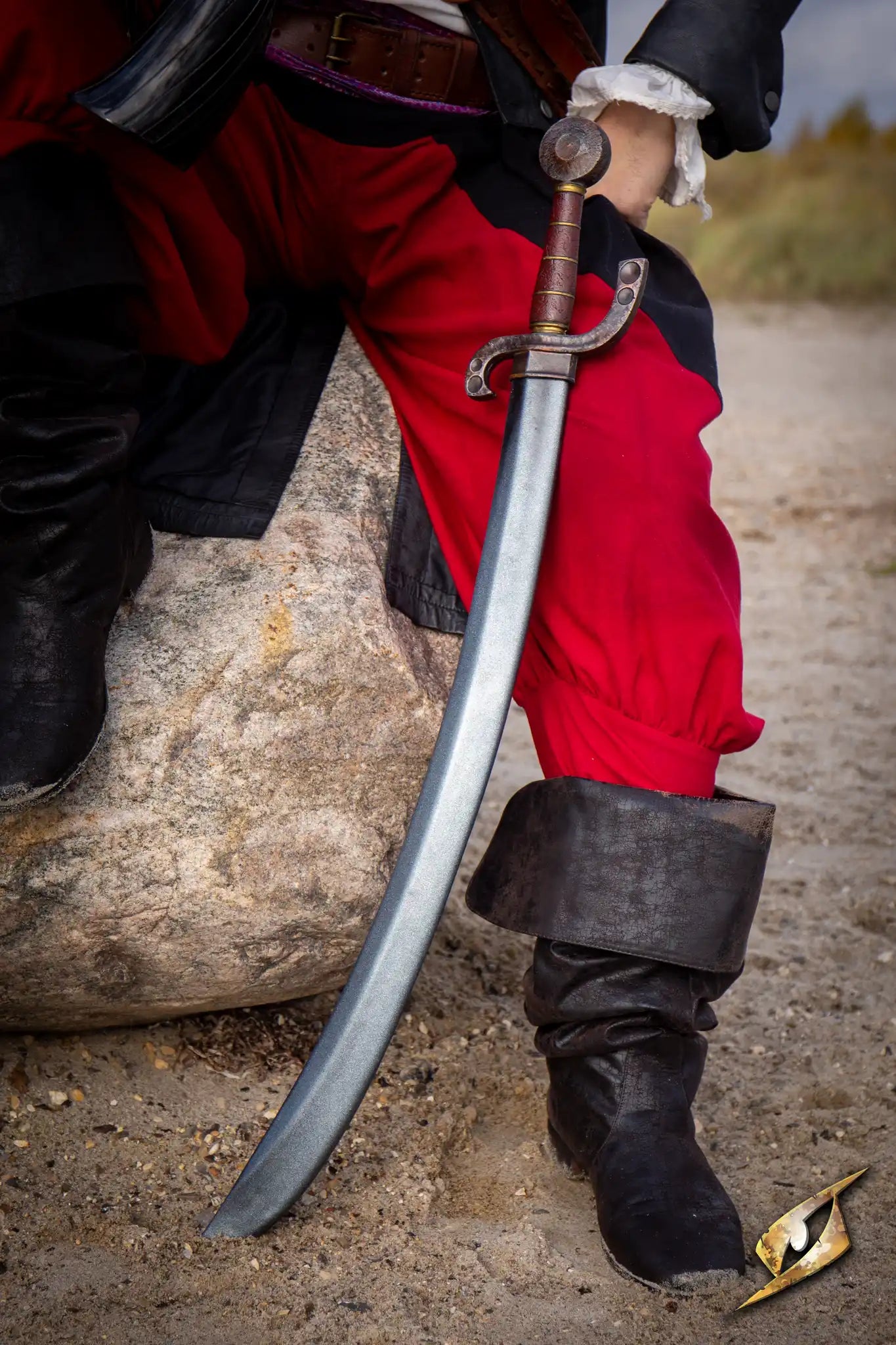
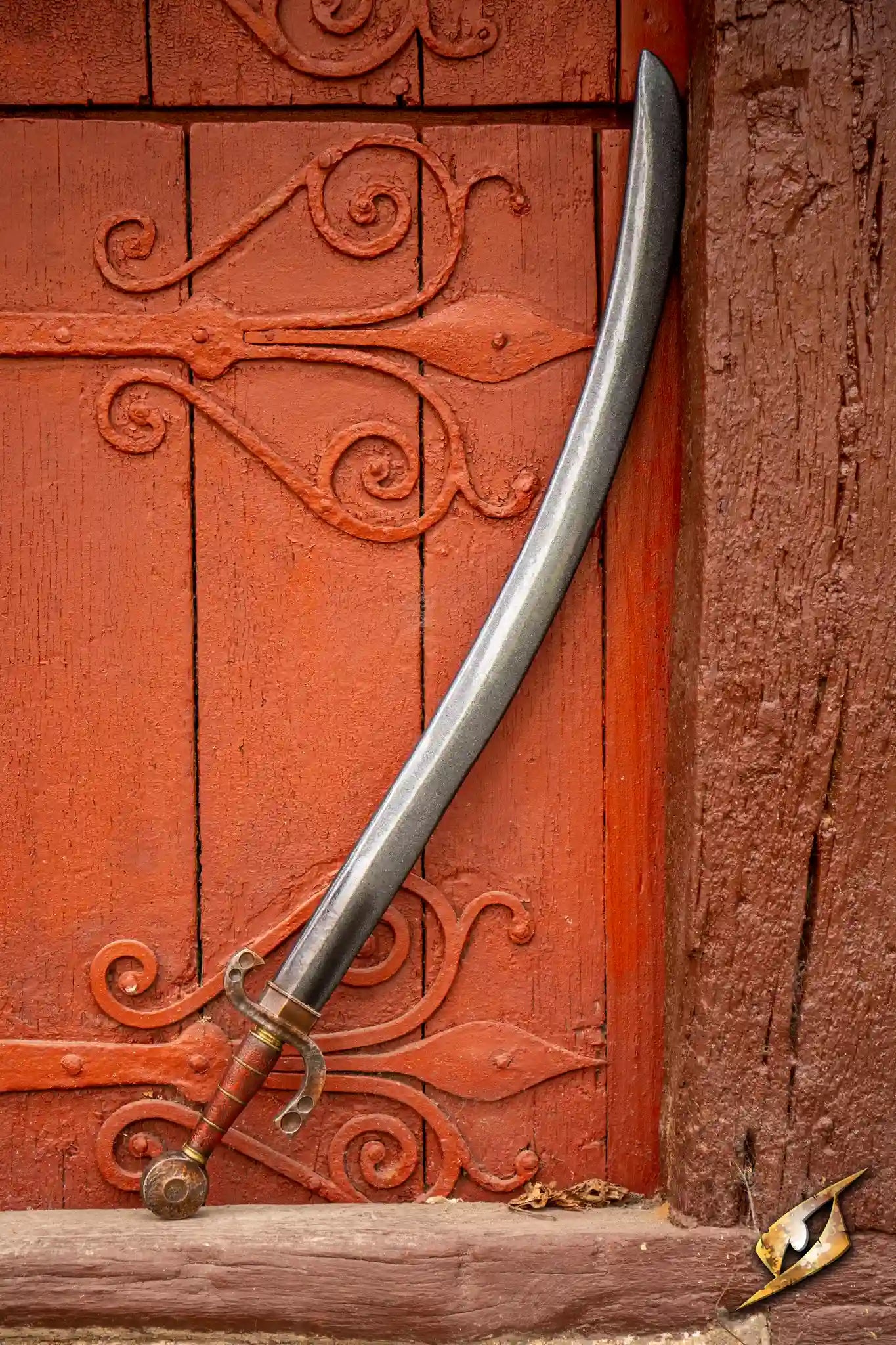
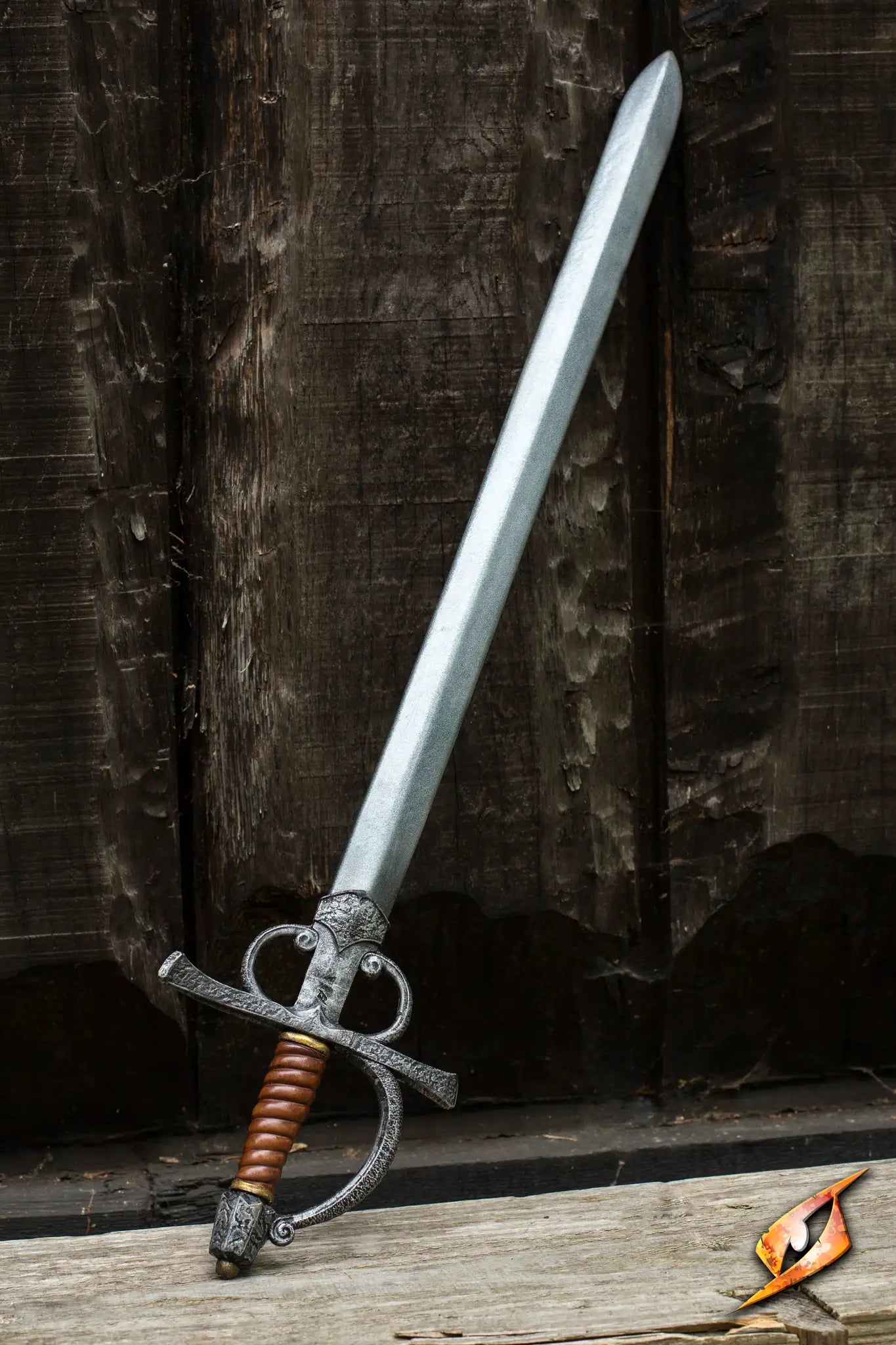
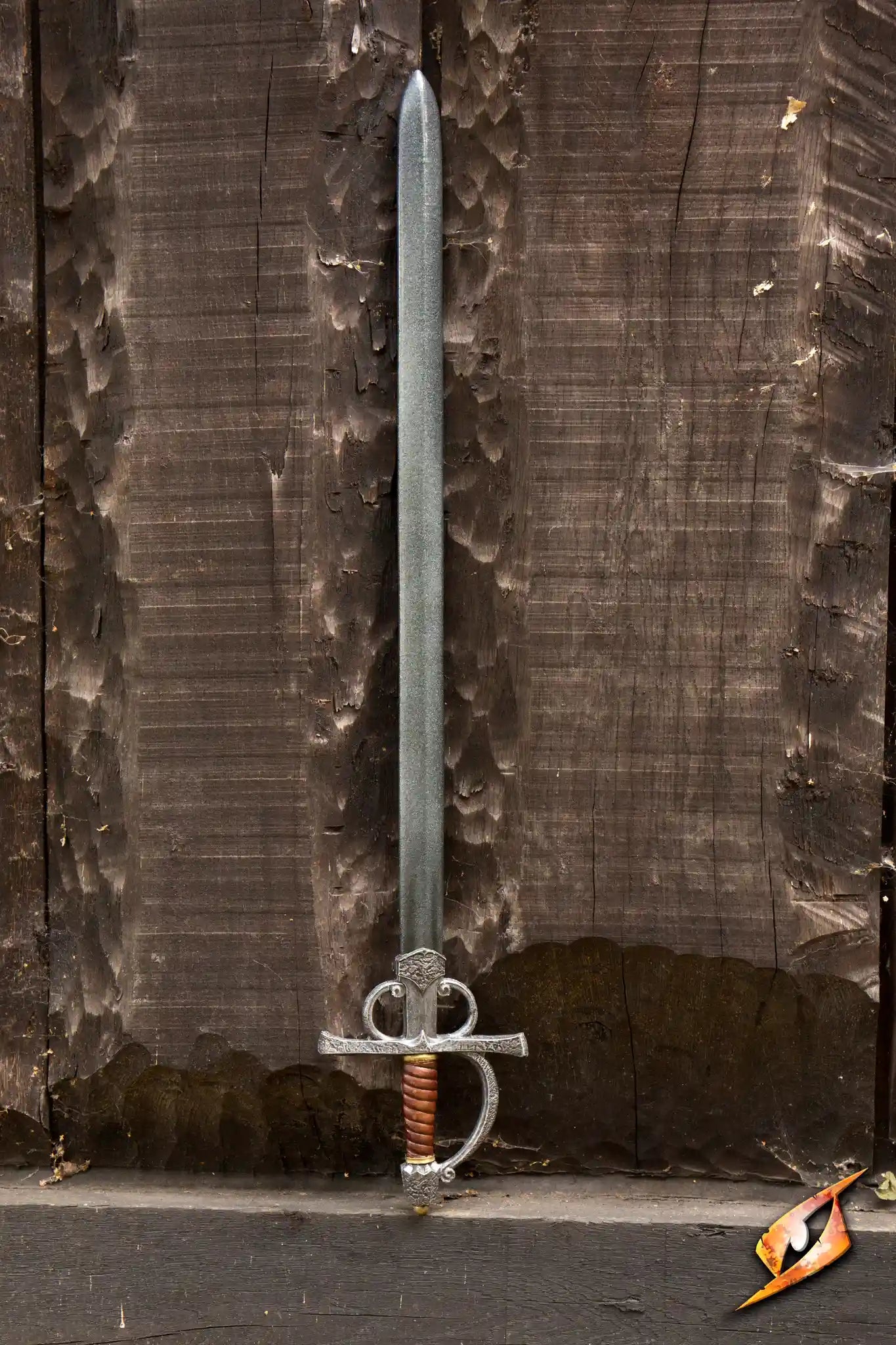
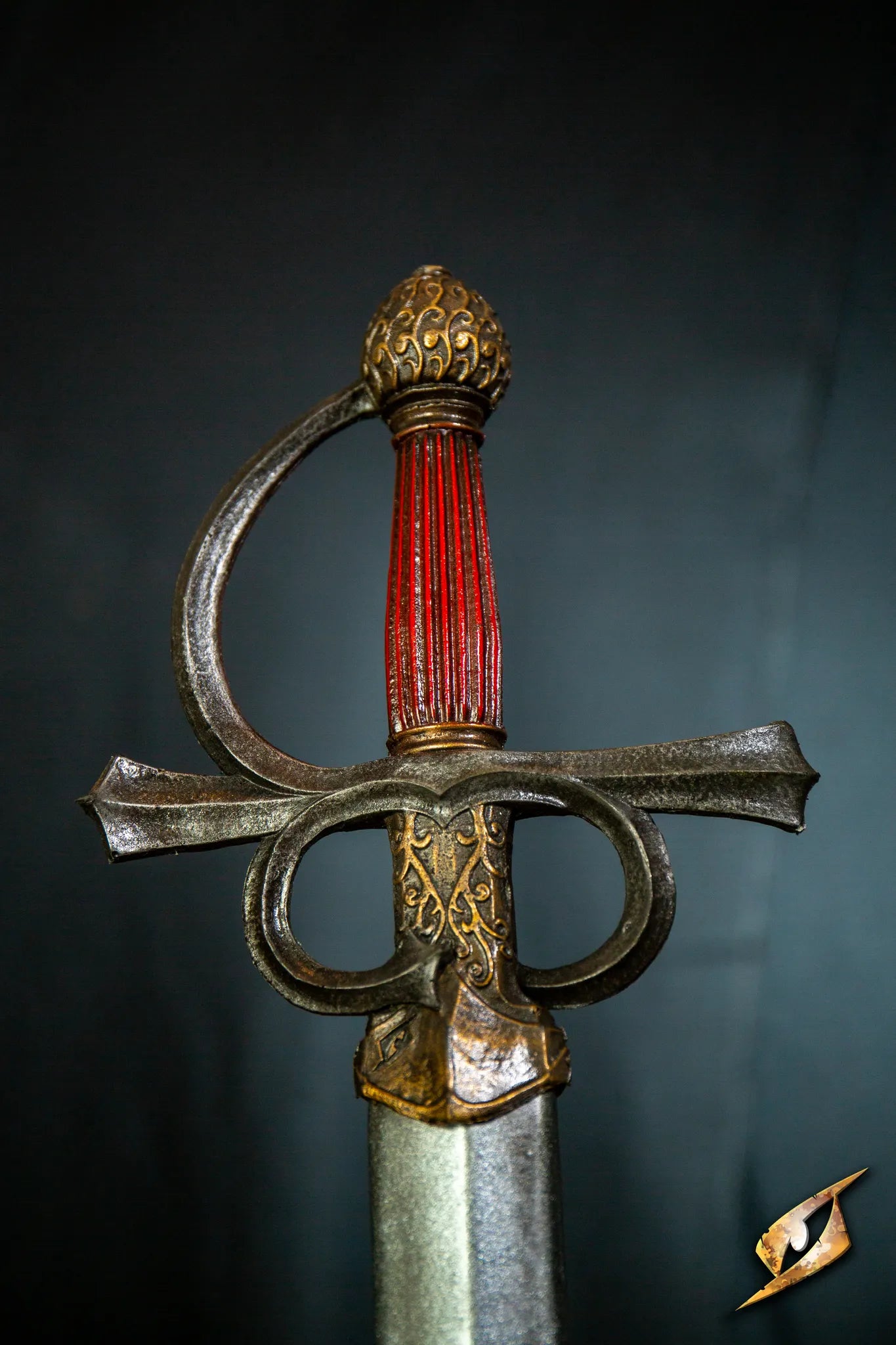
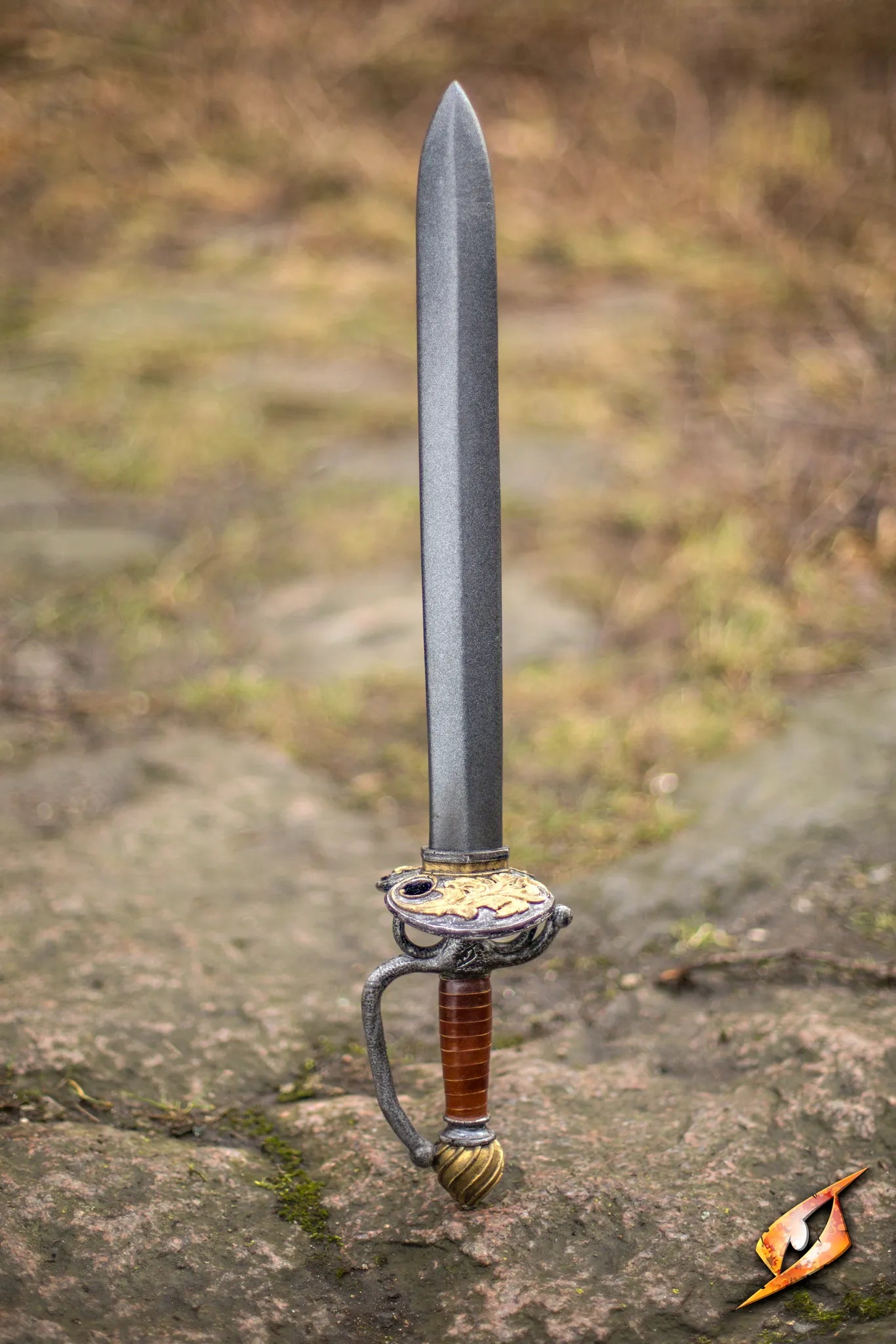
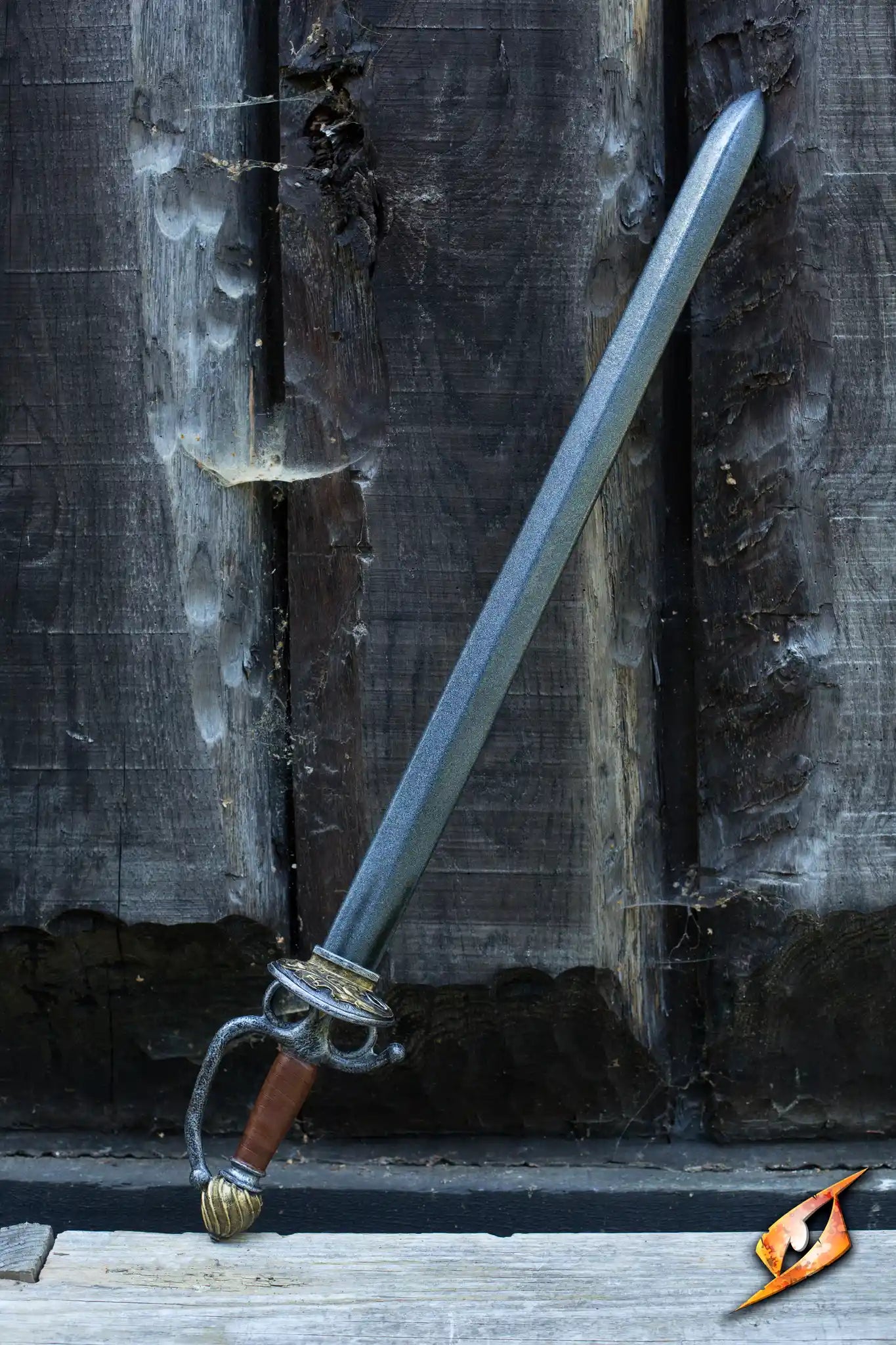
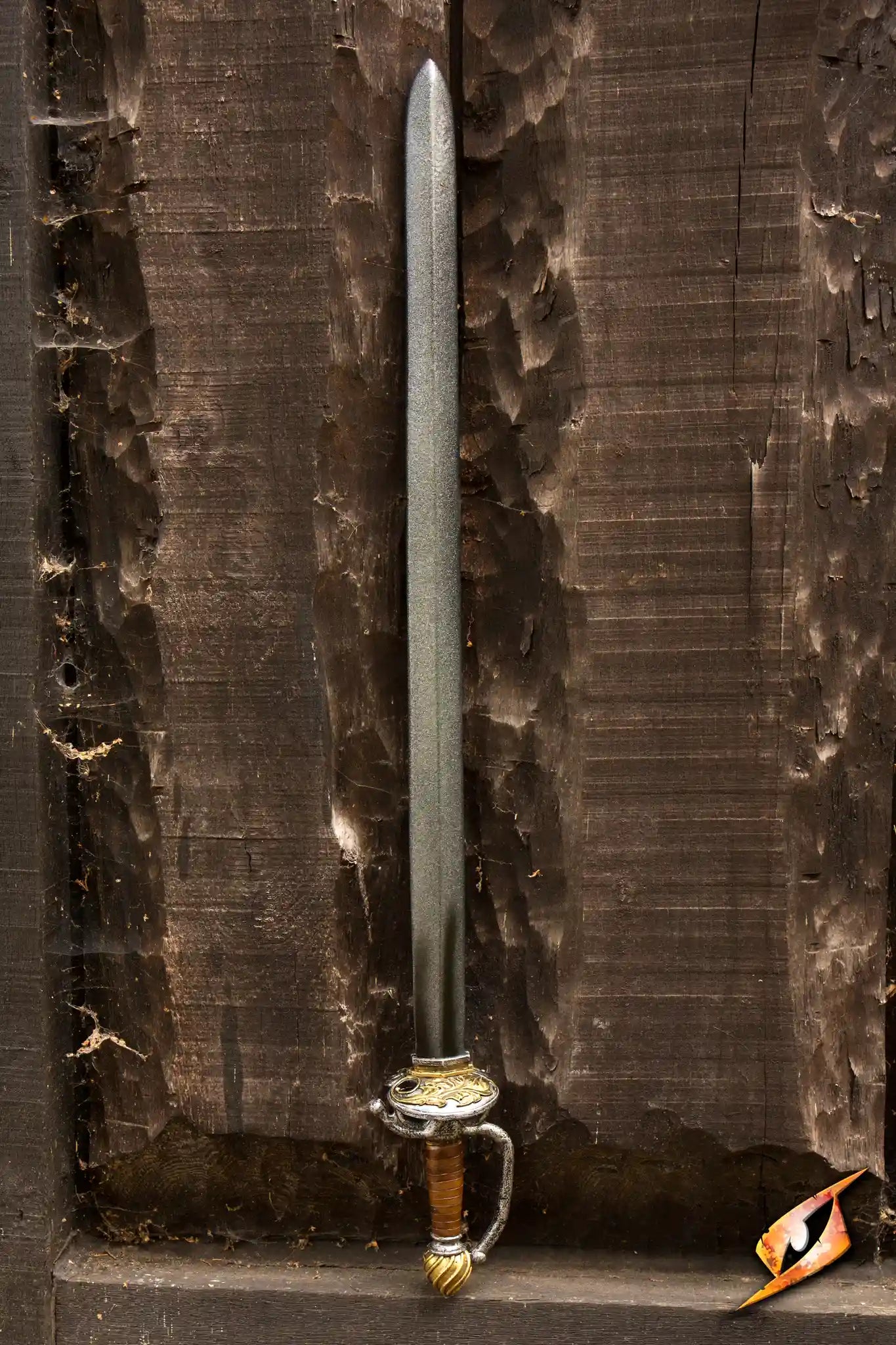
A pirate sword from Epic Armoury is a foam LARP weapon built around a solid fiberglass core: a blade that looks the part hanging at your hip and is safe to swing when the boarding action starts. The classic choice is the cutlass, short and broad with a guard protecting your hand, but this collection arms every kind of sea rover: sabers for cavalry-style slashers, rapiers and smallswords for duelists, and daggers for the close, dirty work. One purchase does both jobs, costume centerpiece and combat weapon, for years of events.
Find Your Blade
-
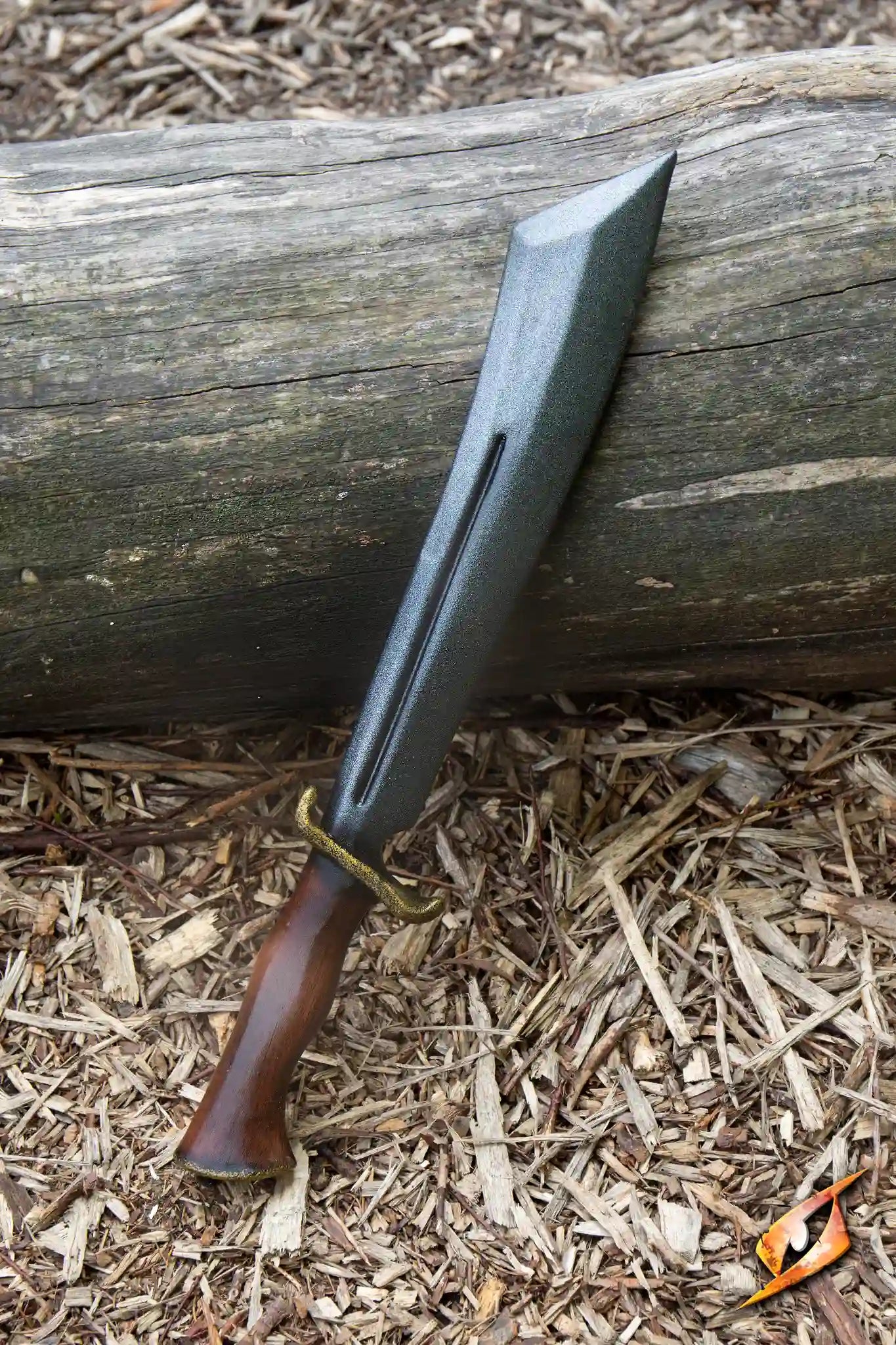
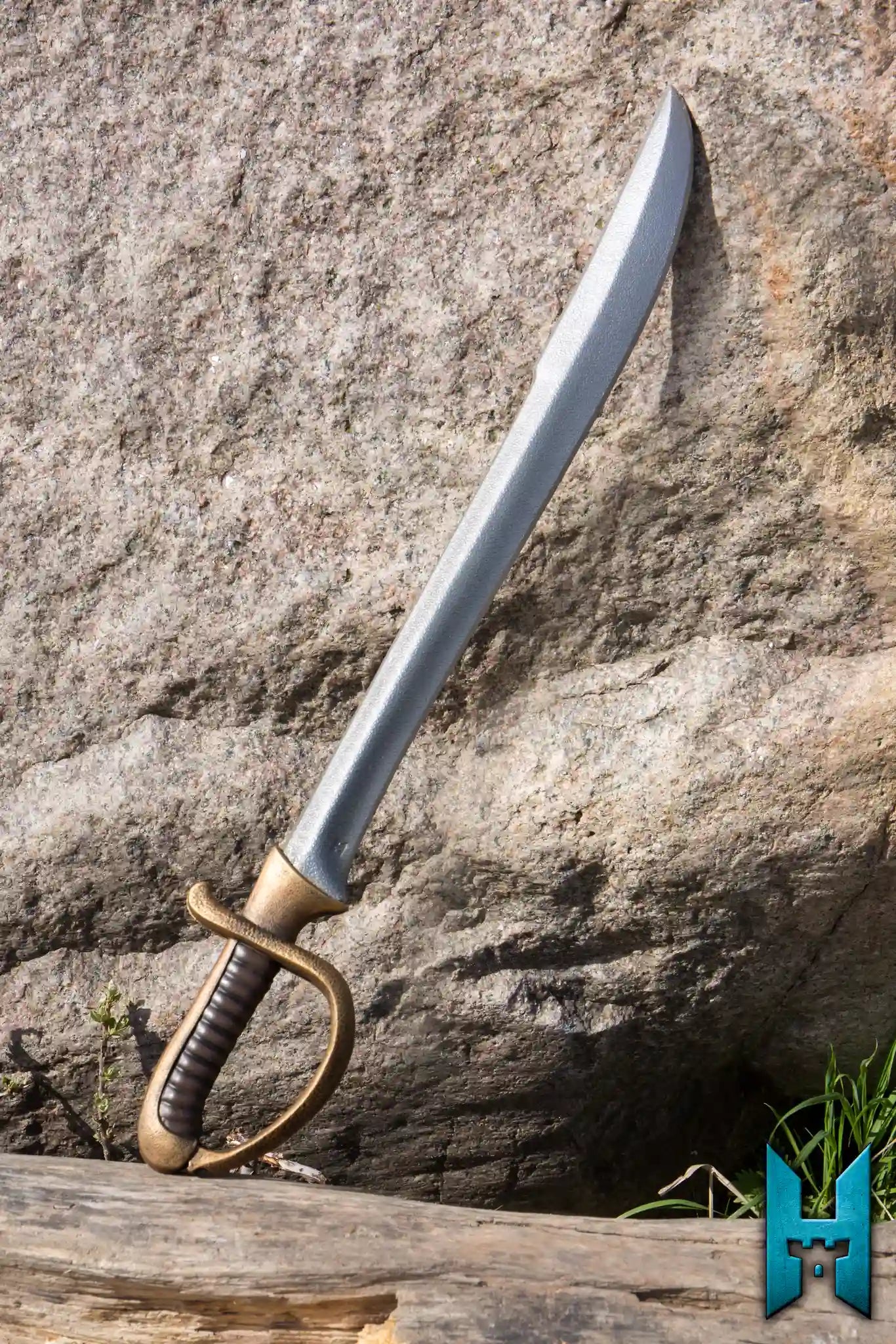
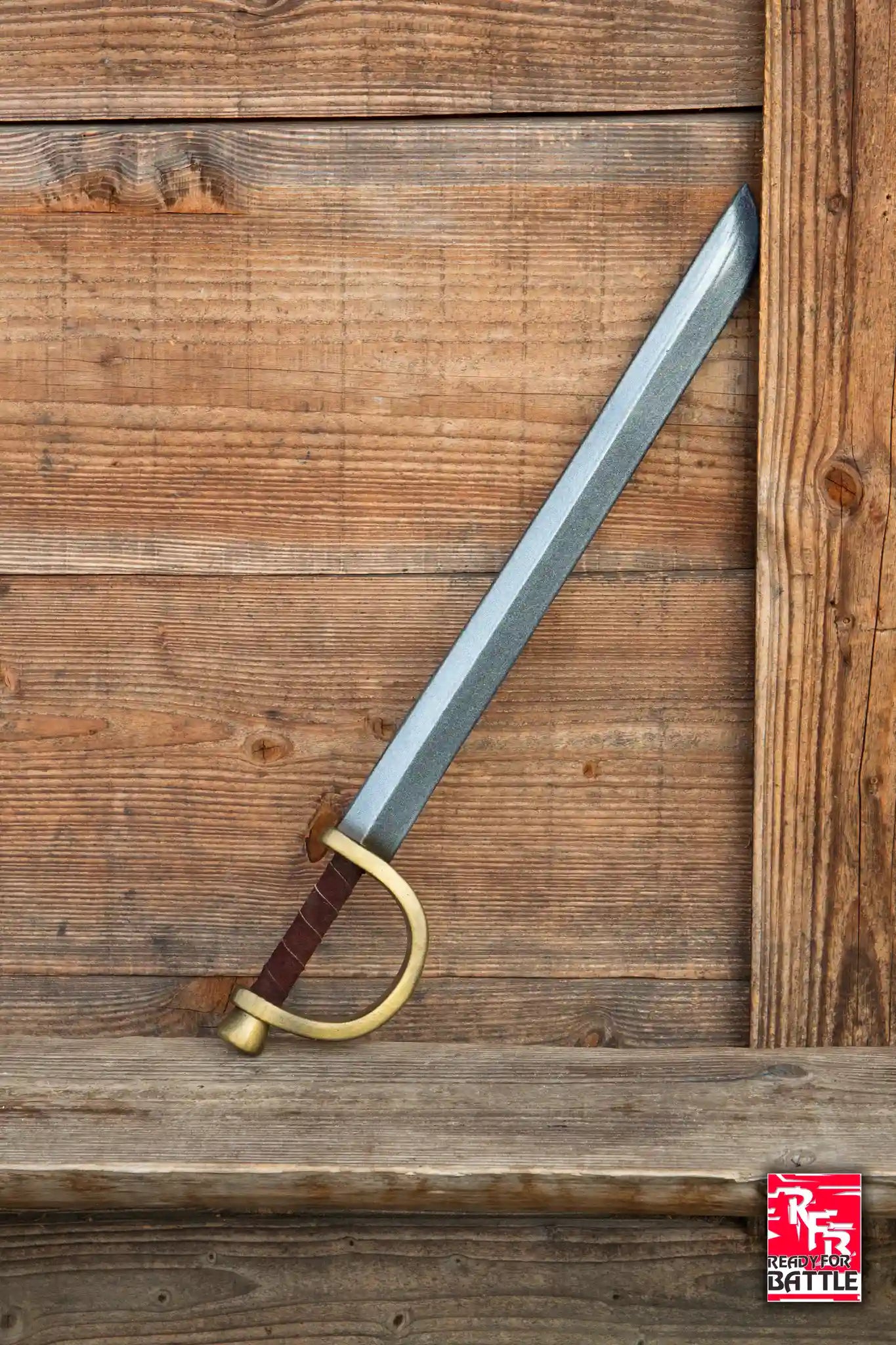
Cutlasses: The pirate weapon. Short, broad, and vicious, from compact deck-fighters to the 95 cm Corsair Cutlass, with full handguards your knuckles will thank you for.
-
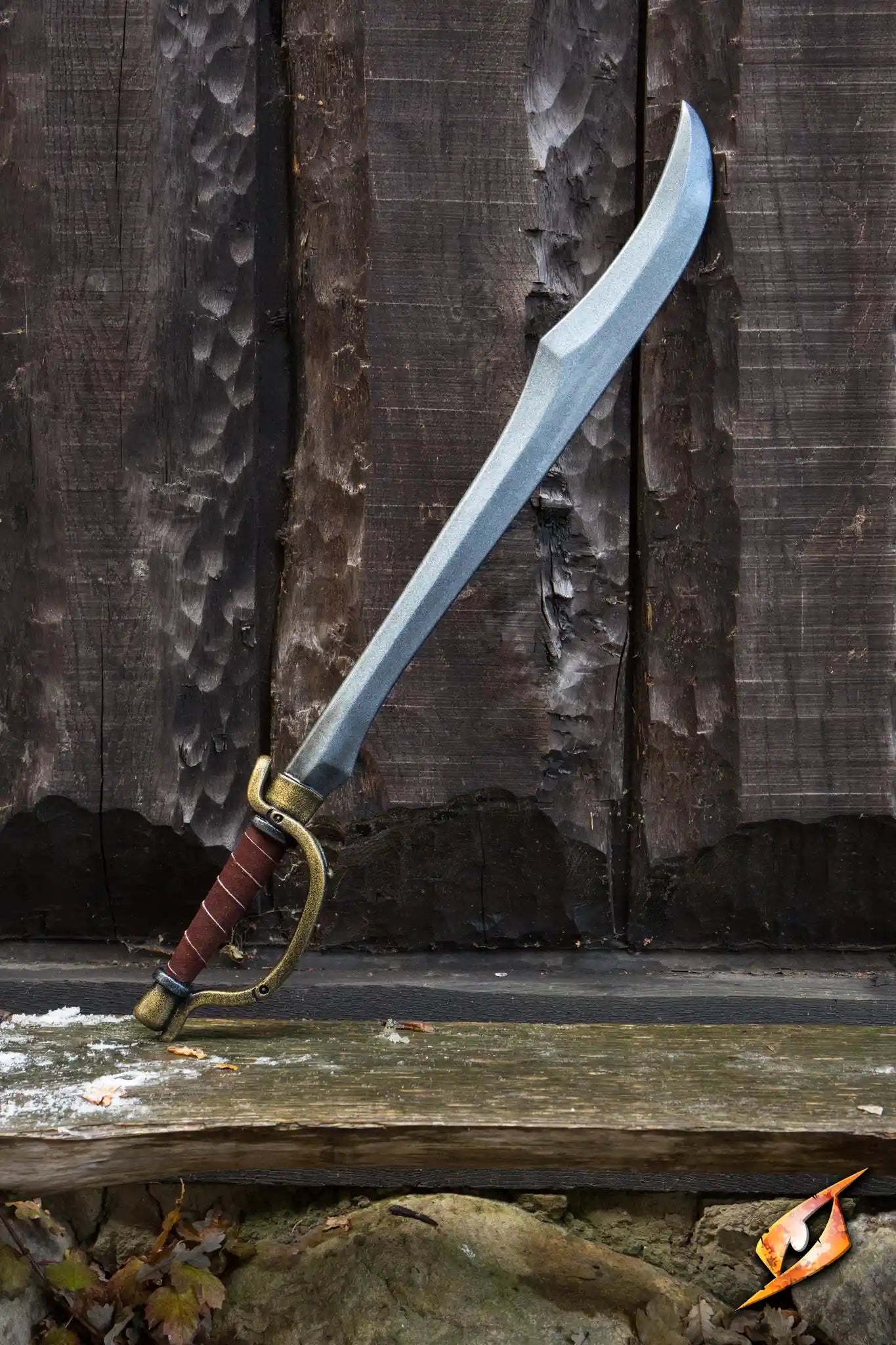
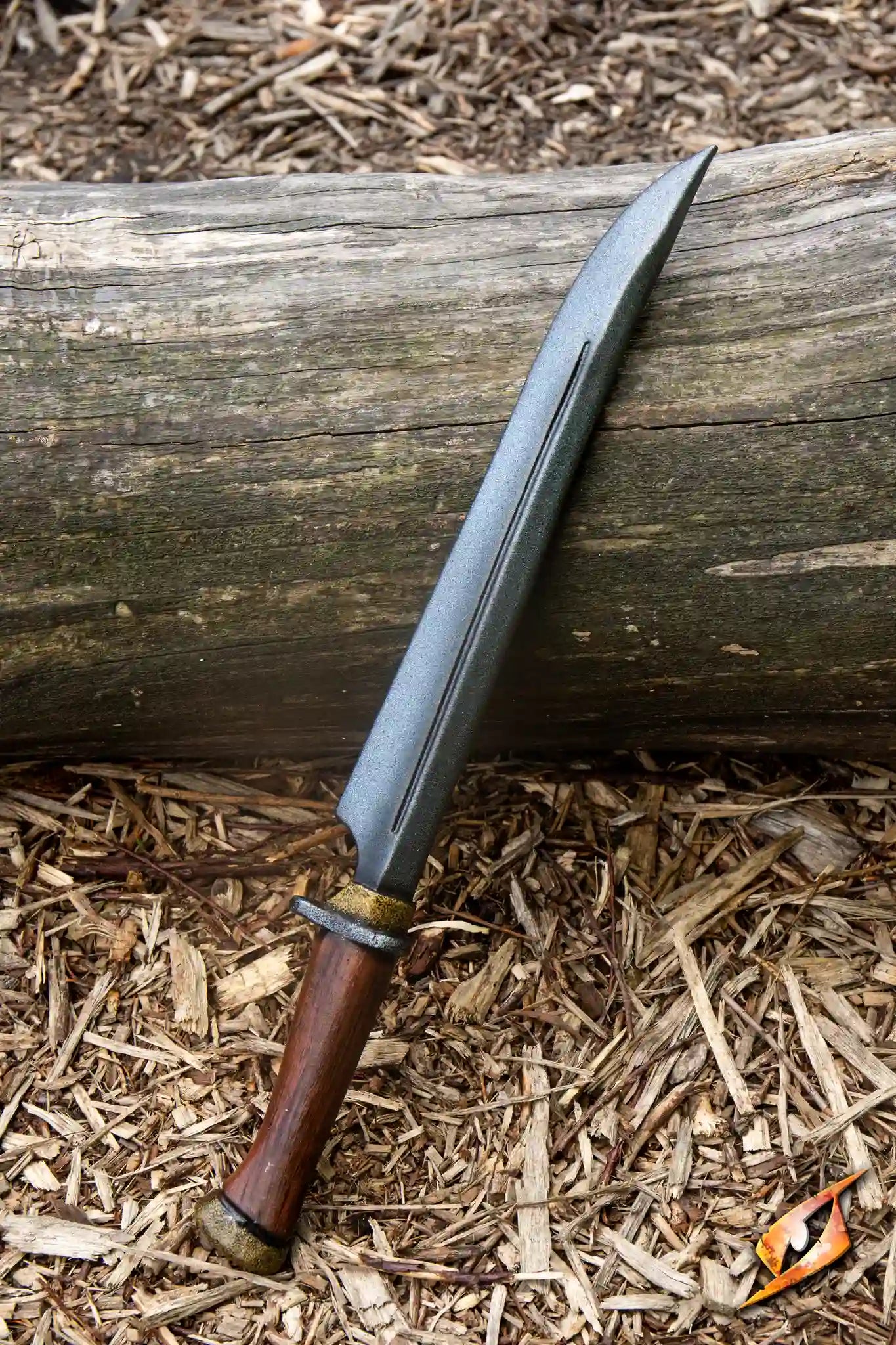
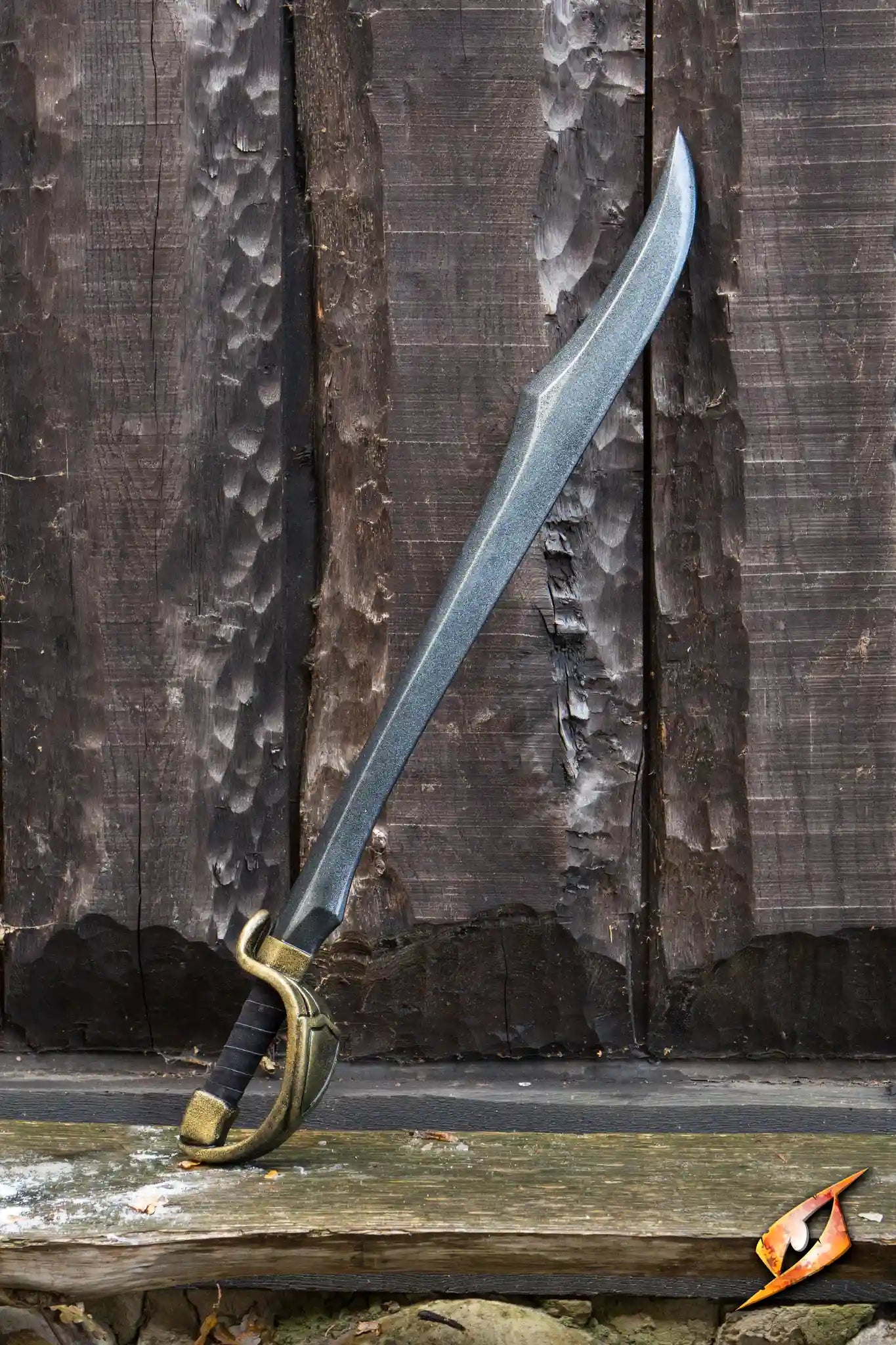
Sabers and falchions: Longer curved blades for duelists and cut-throats who fight with speed and reach.
-
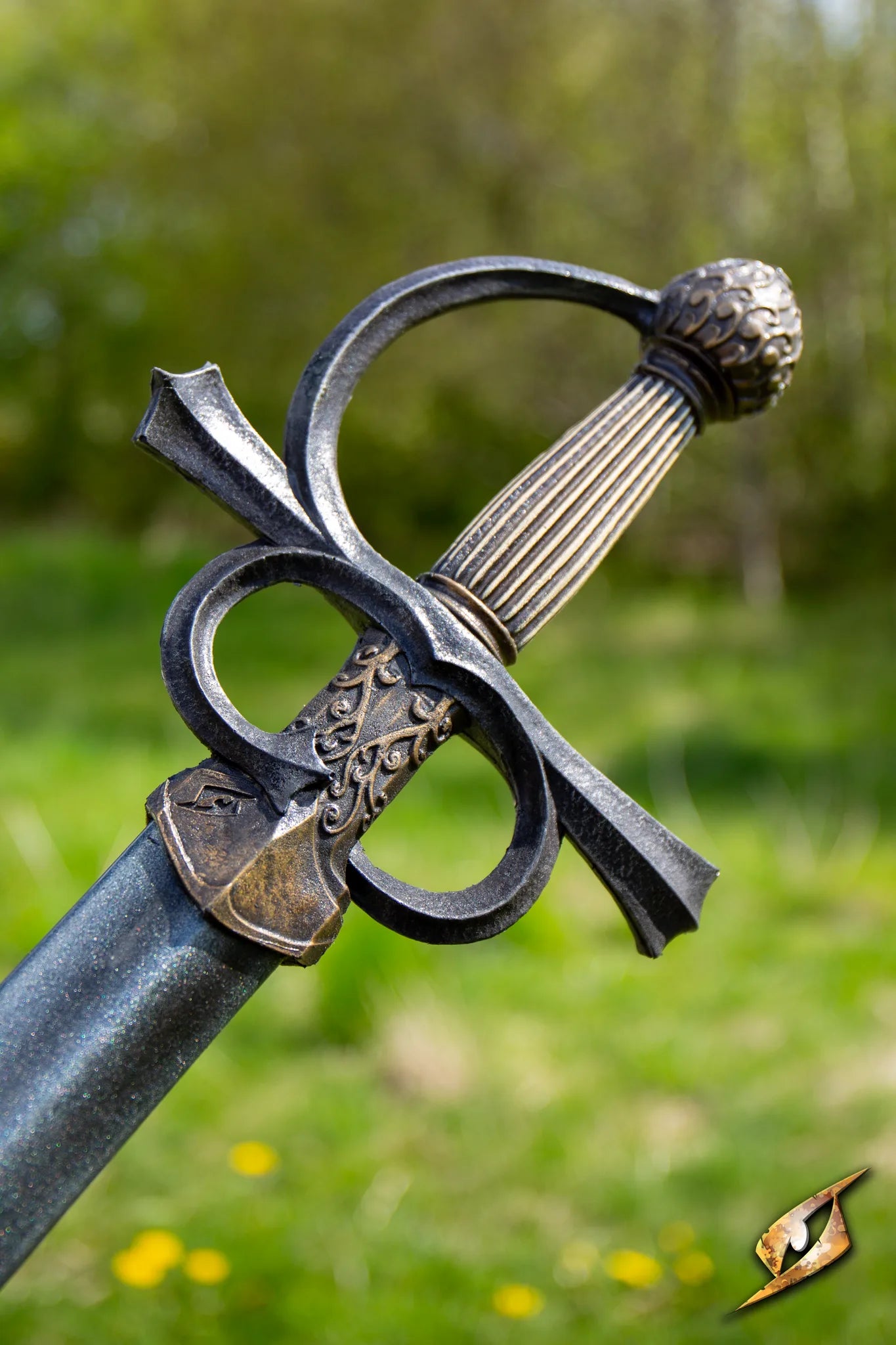
Rapiers and smallswords: The gentleman pirate's answer, elegant thrusting blades for captains who won their coat in a duel rather than a brawl.
-
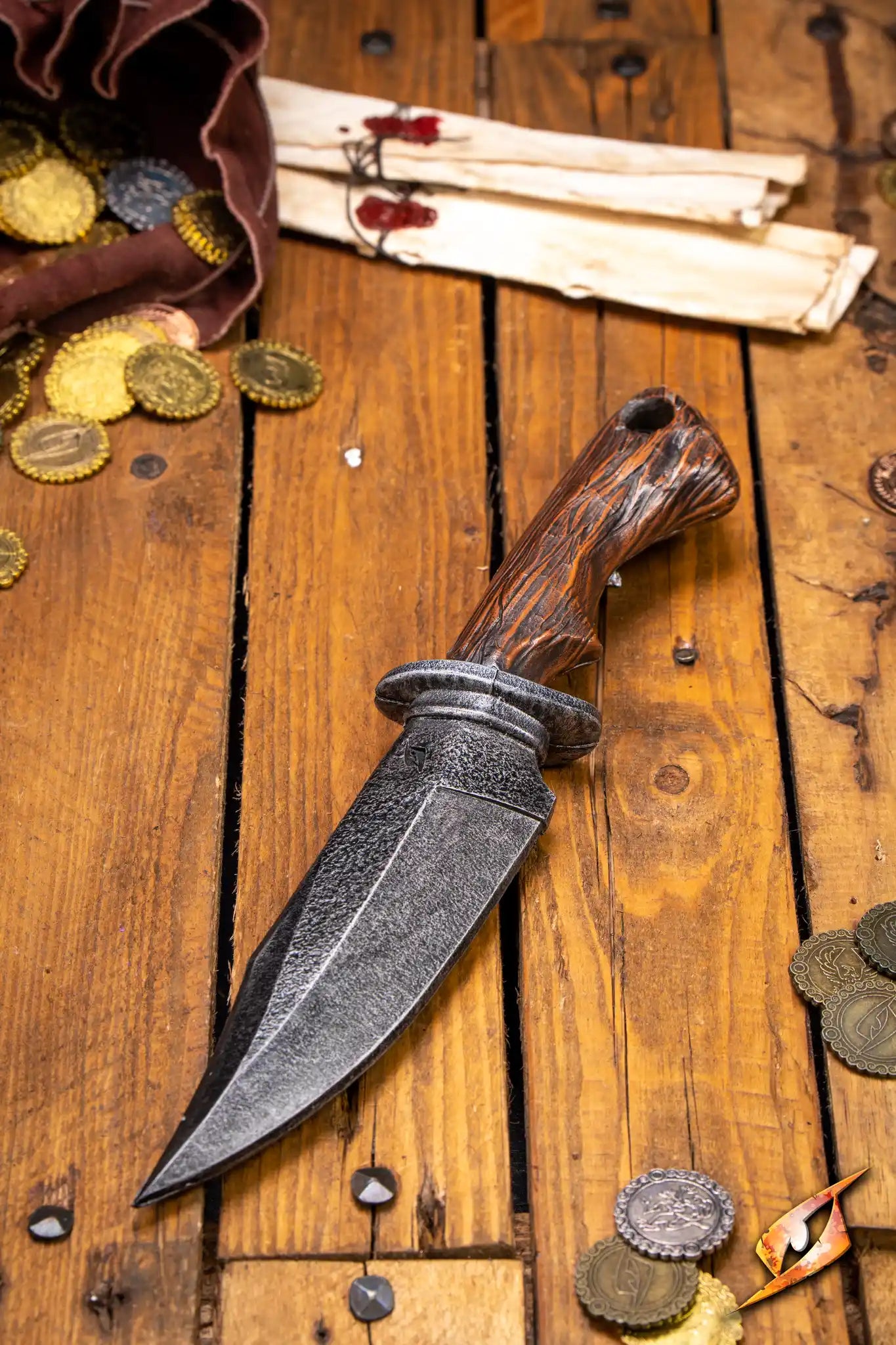
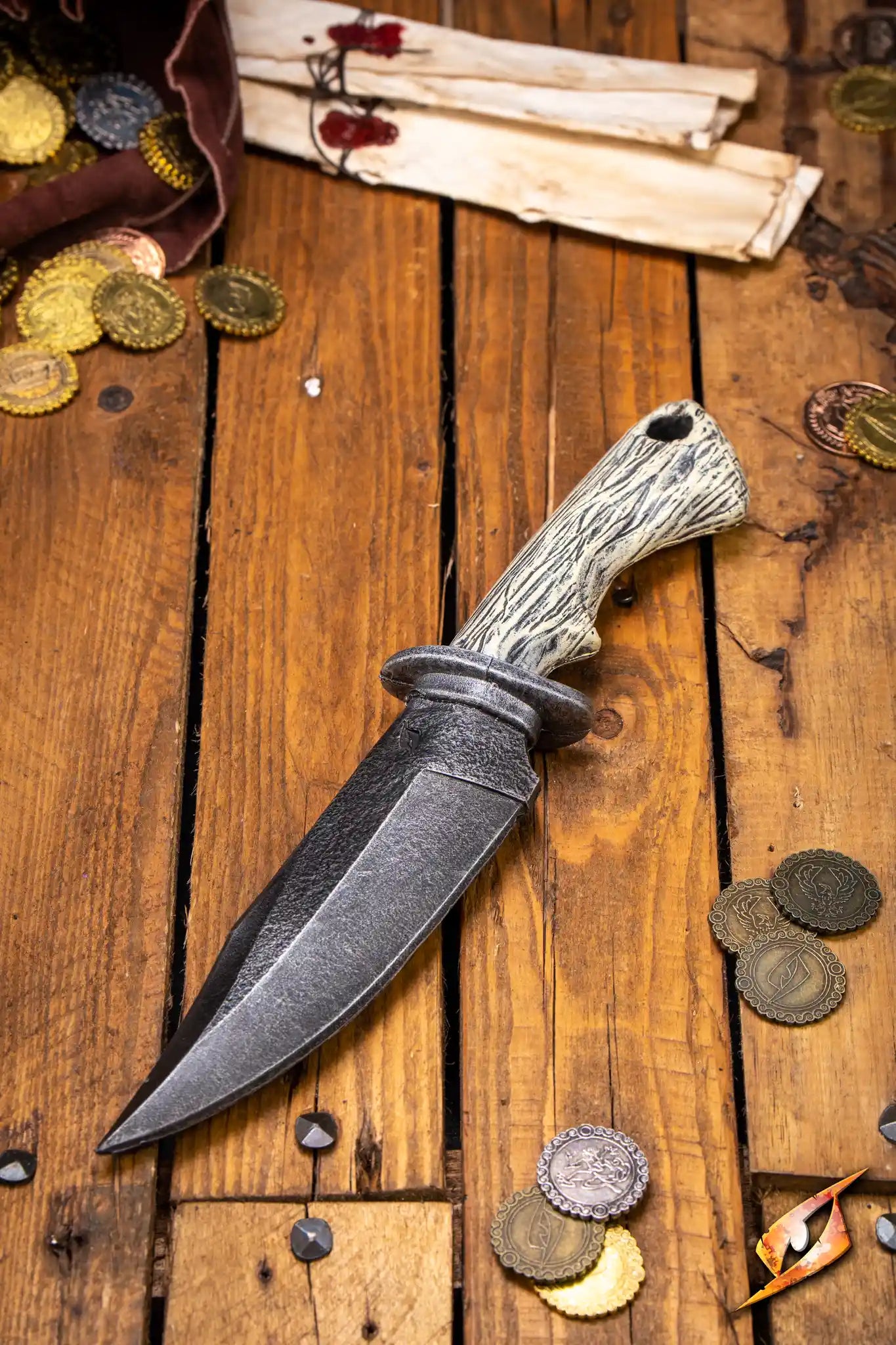
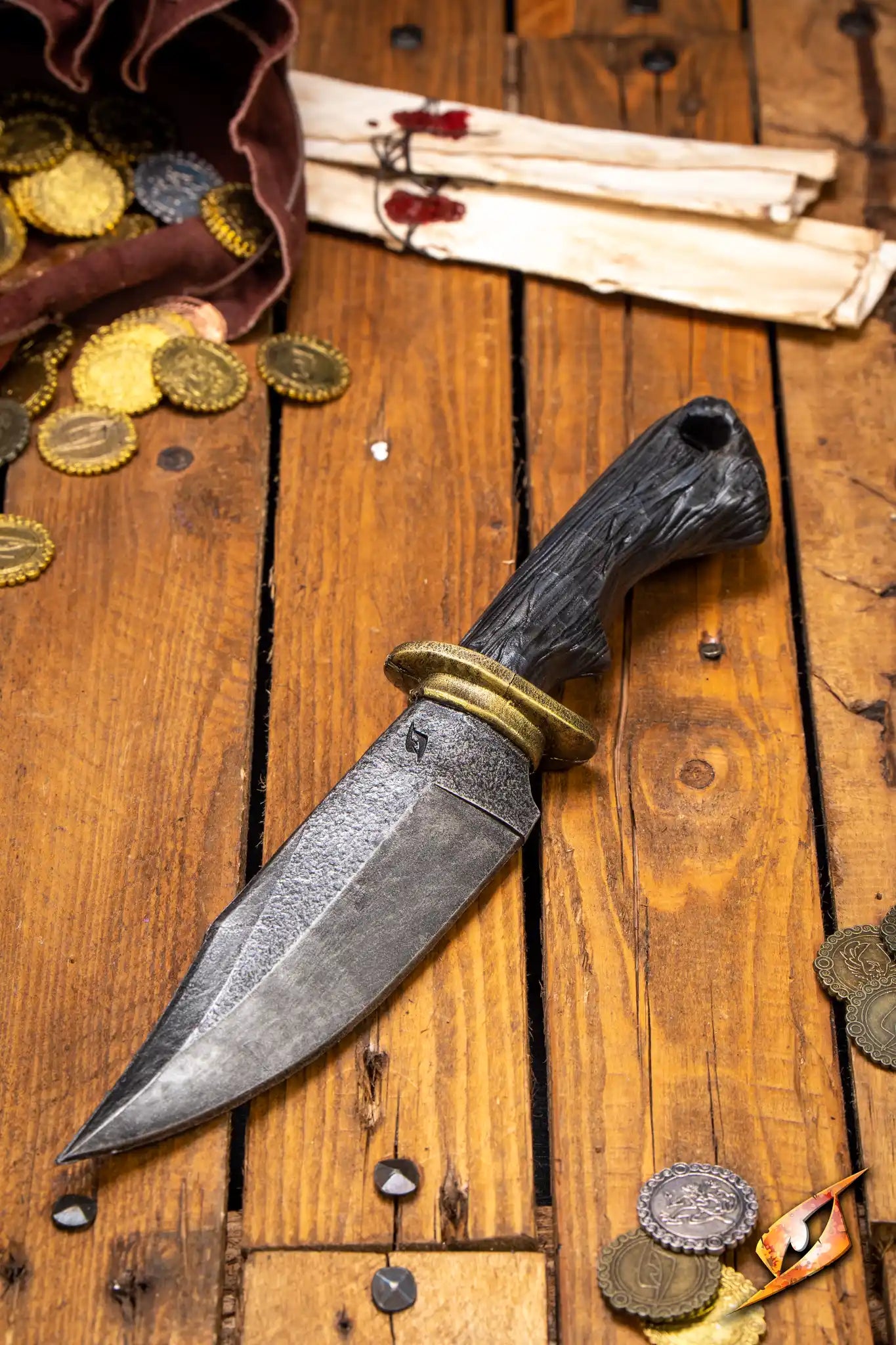
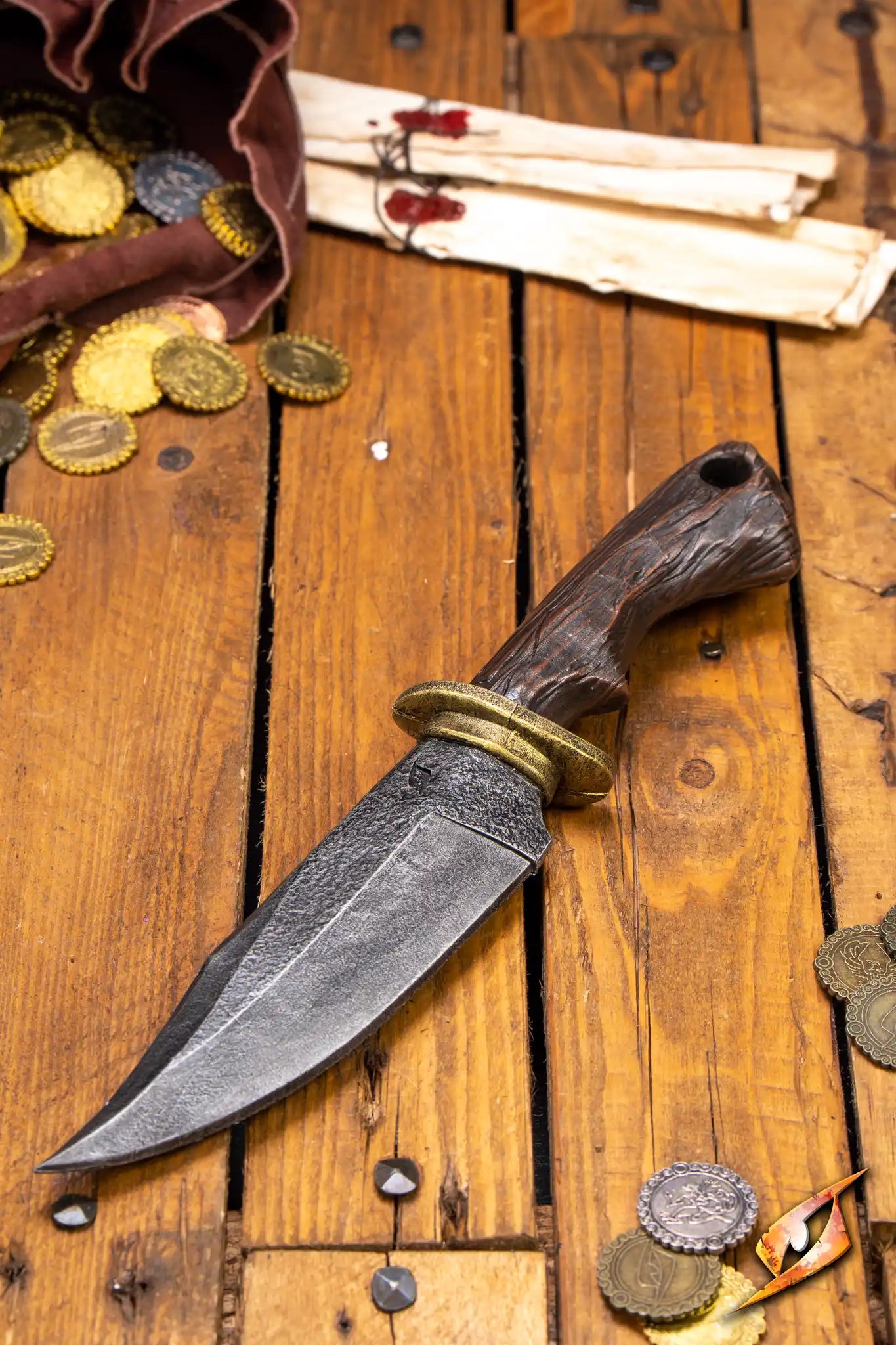
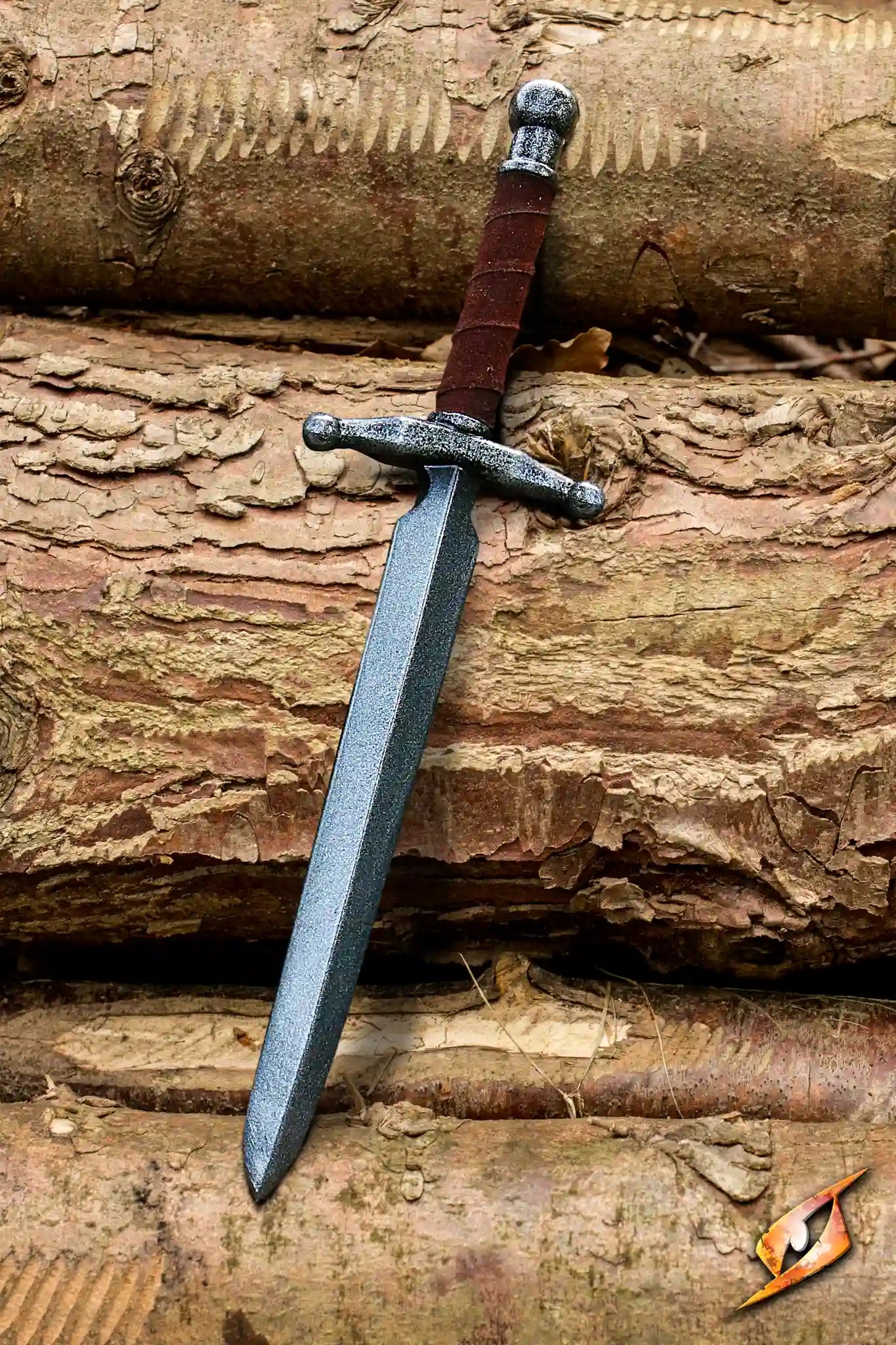
Daggers and knives: A stiletto, Bowie, or hunting dagger as backup steel, boarding knife, or the blade you're still allowed to wear in the tavern.
-
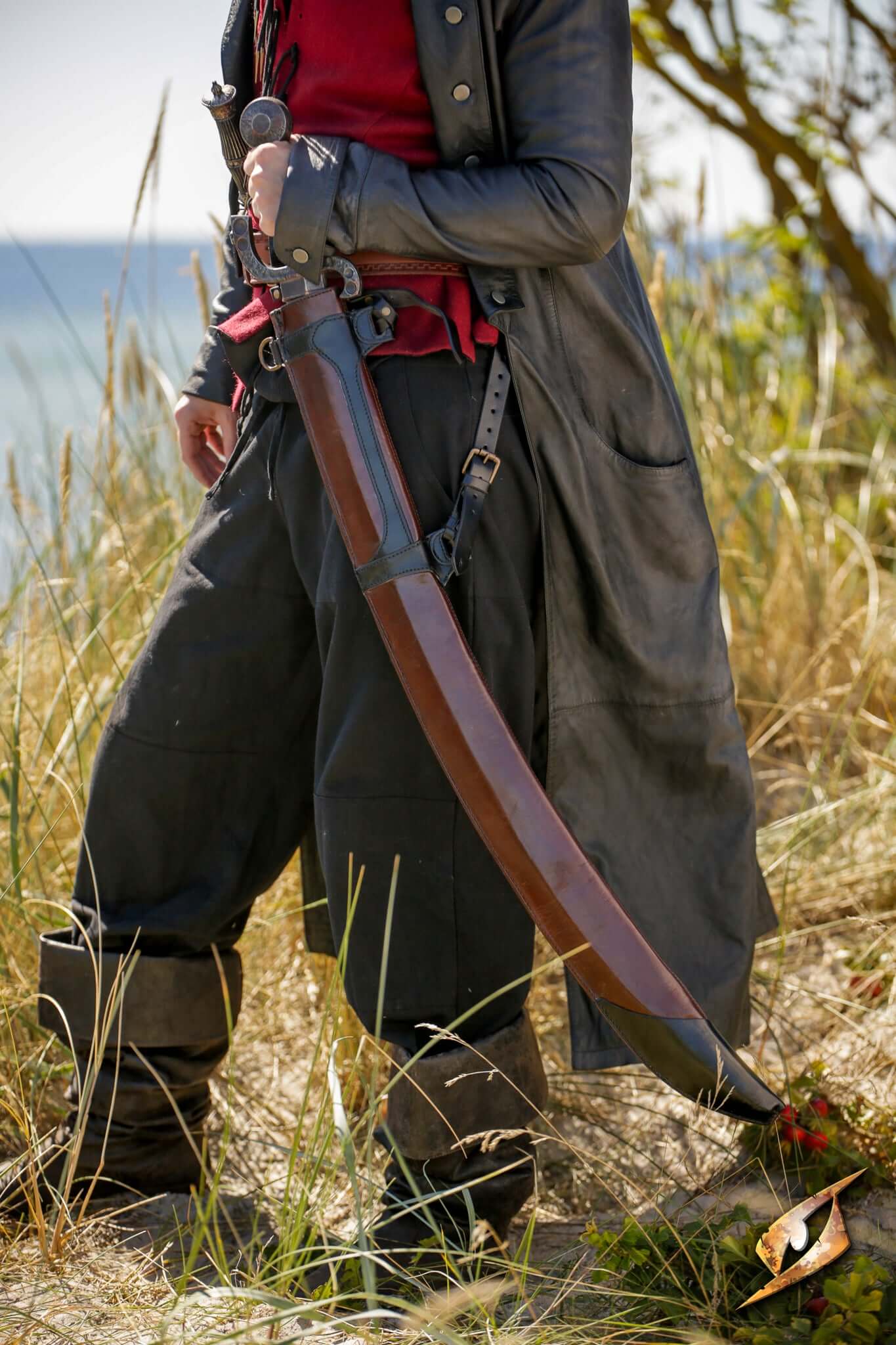
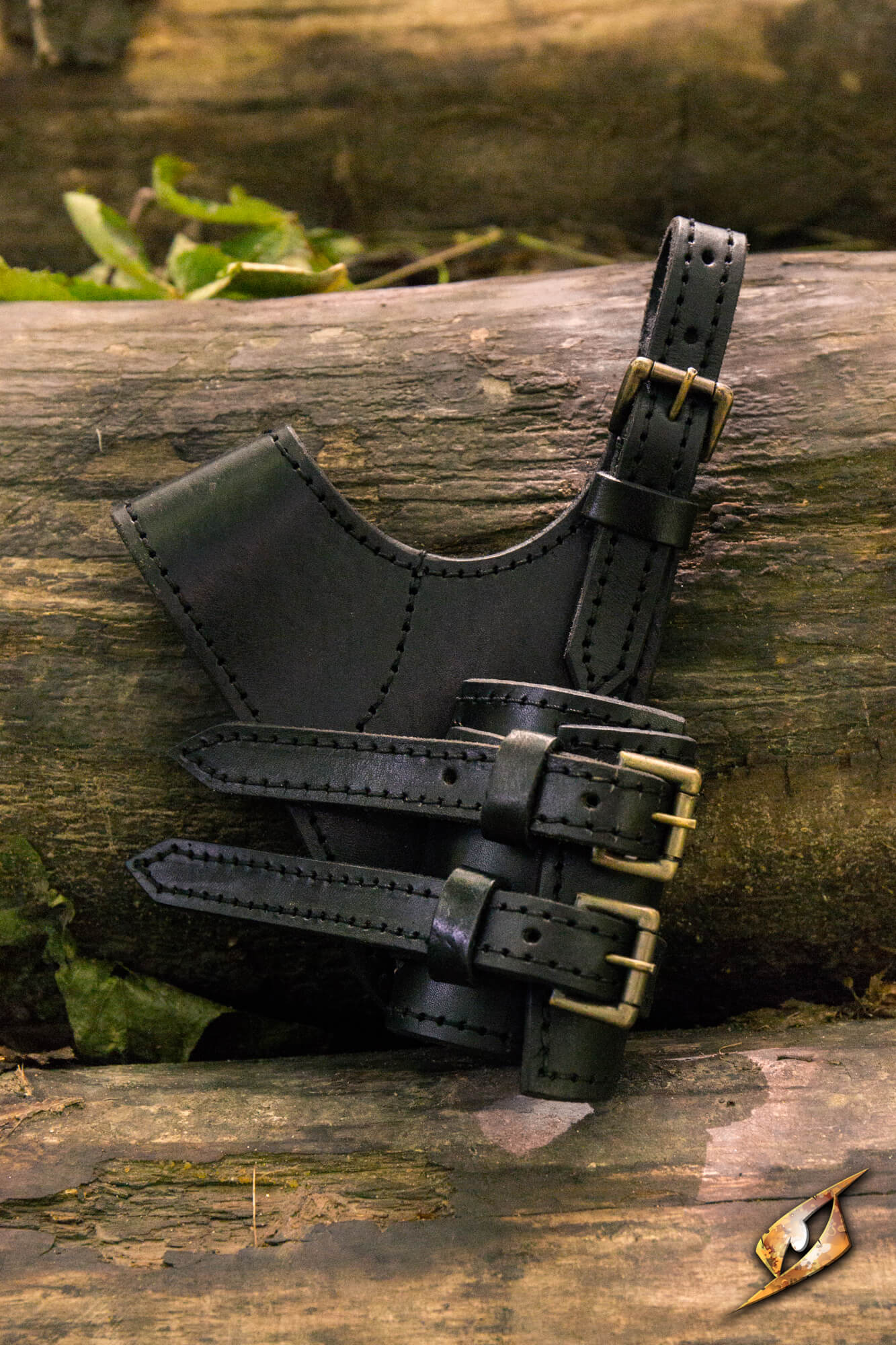
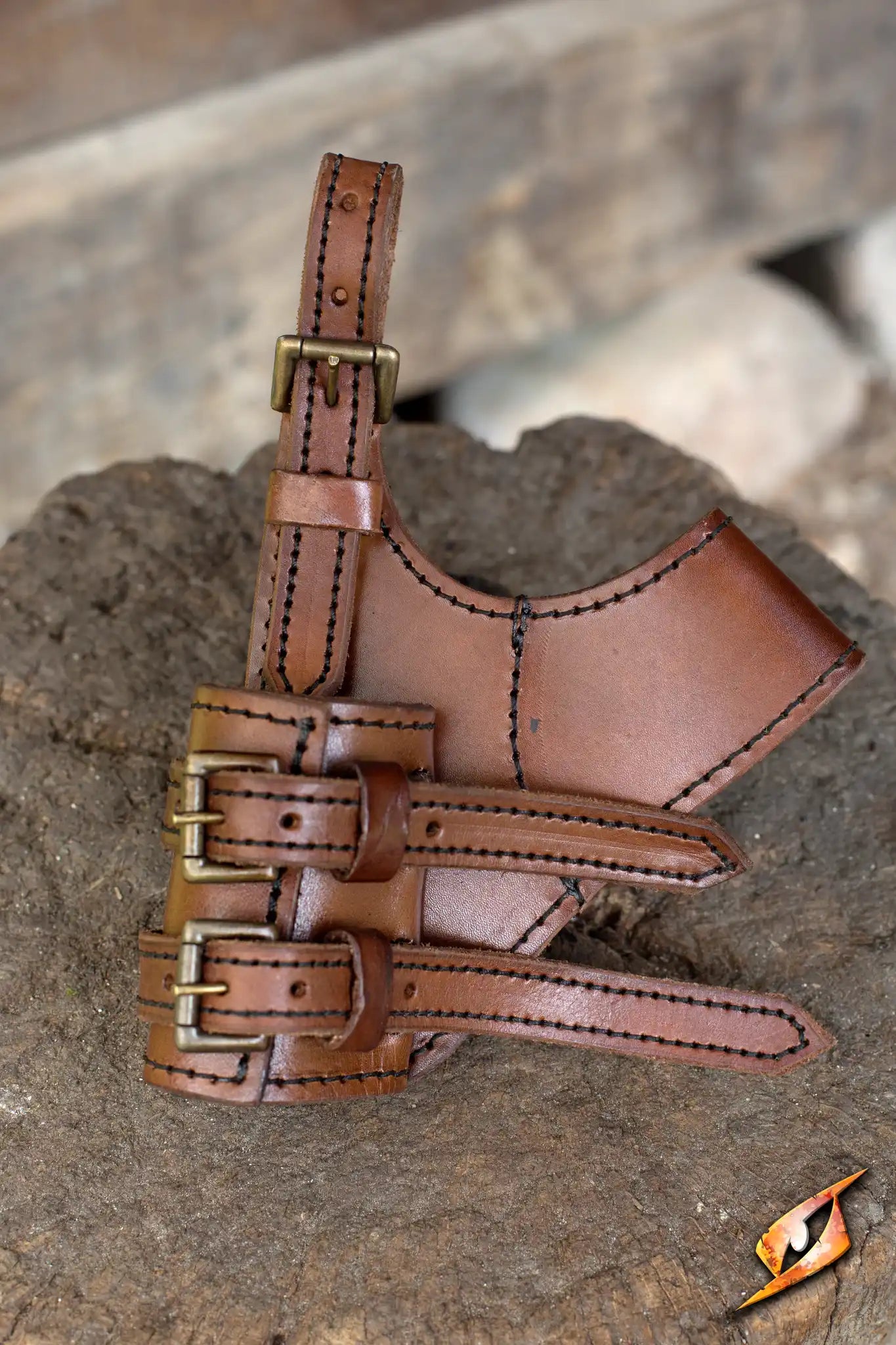
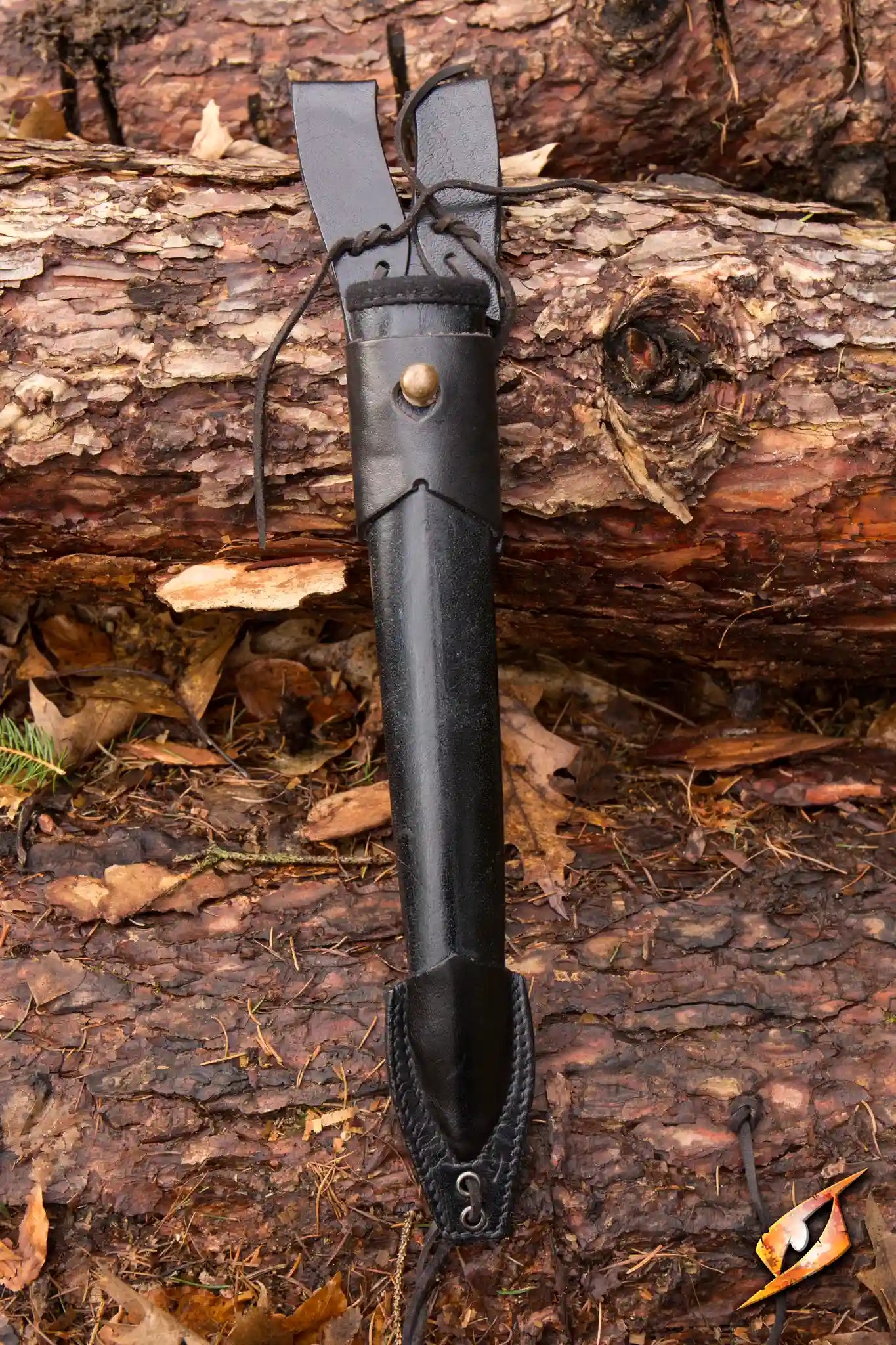
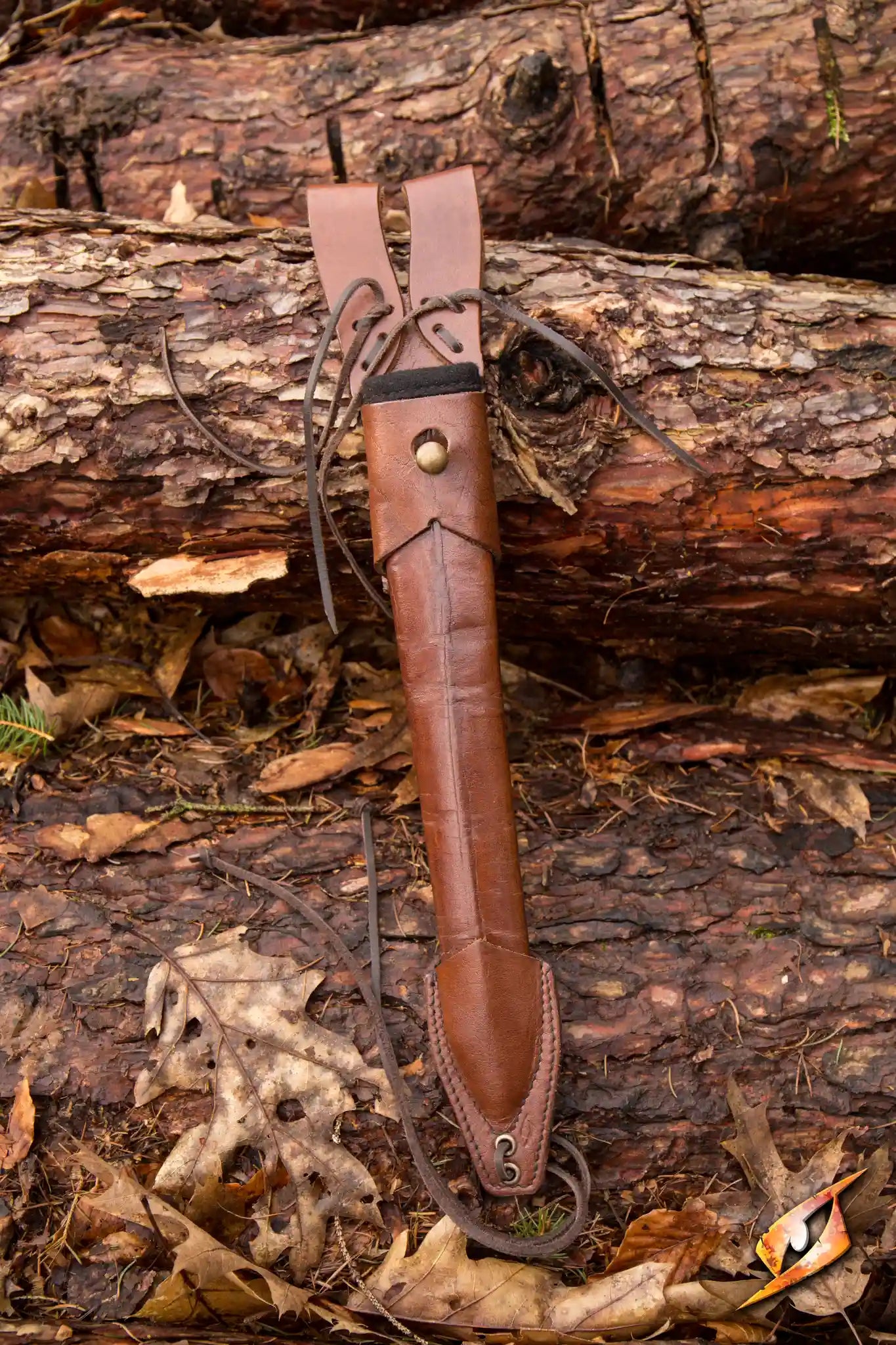
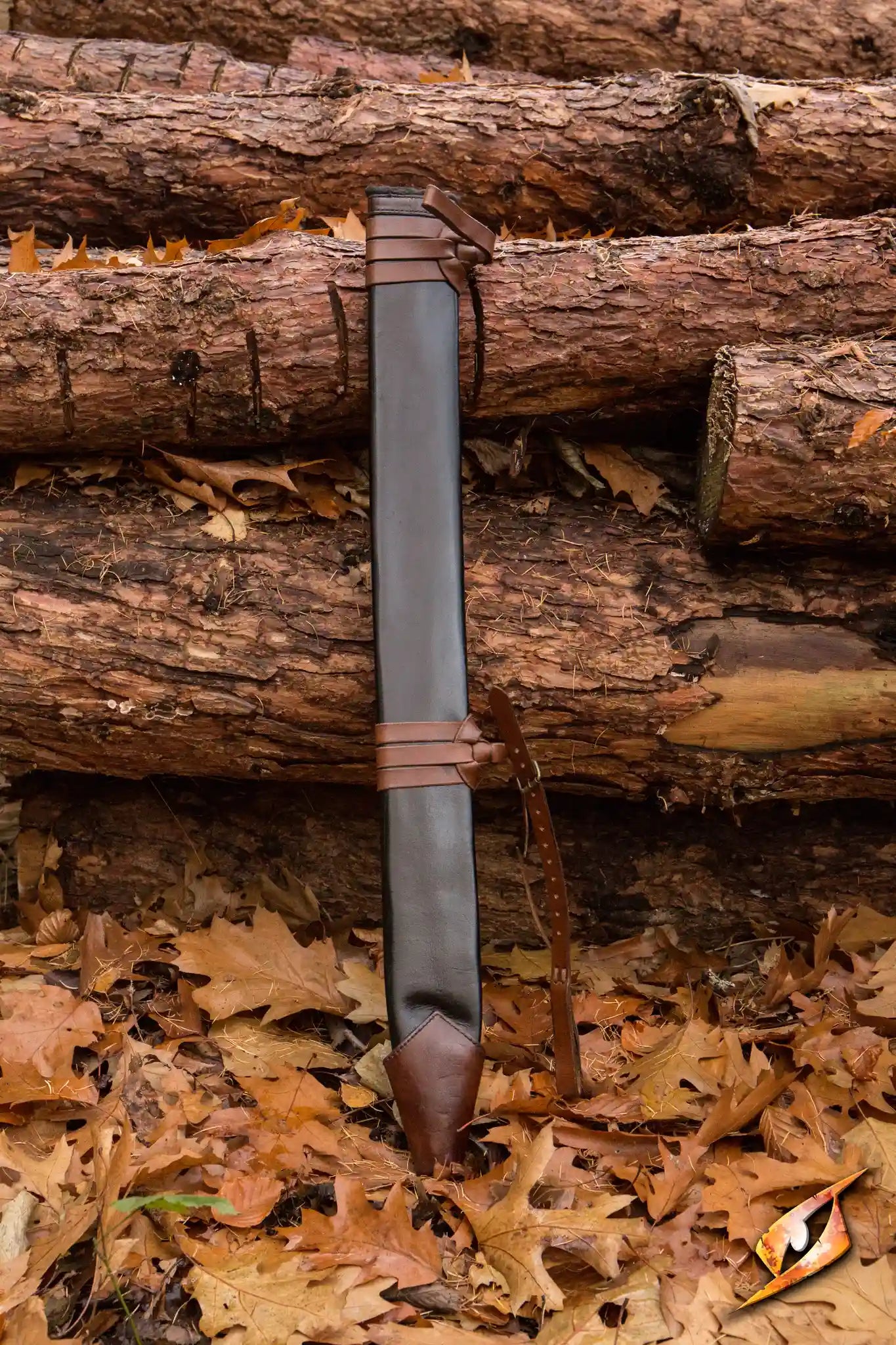
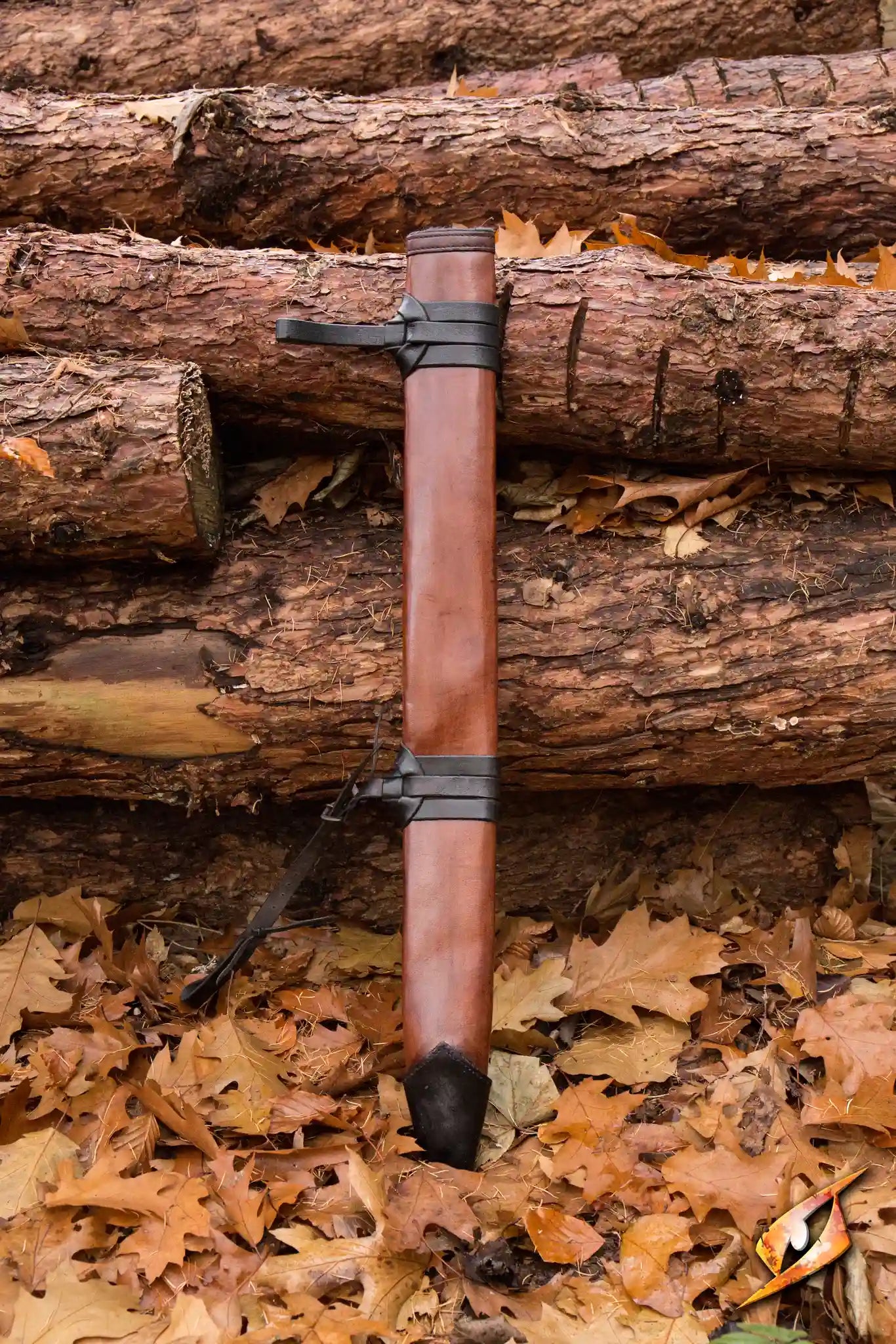
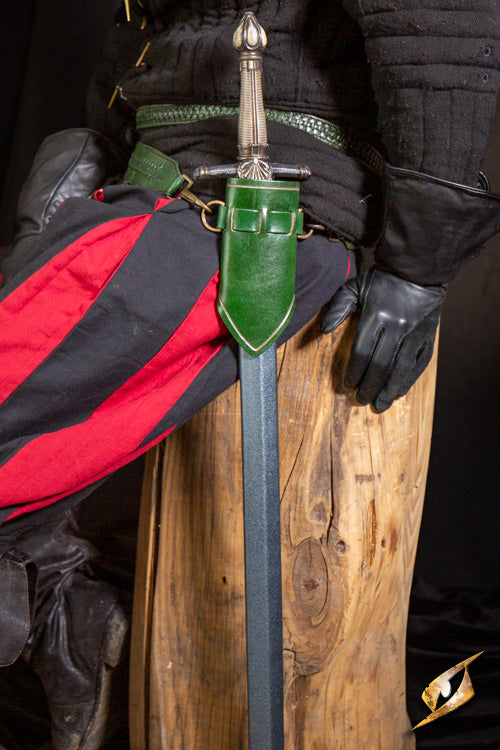
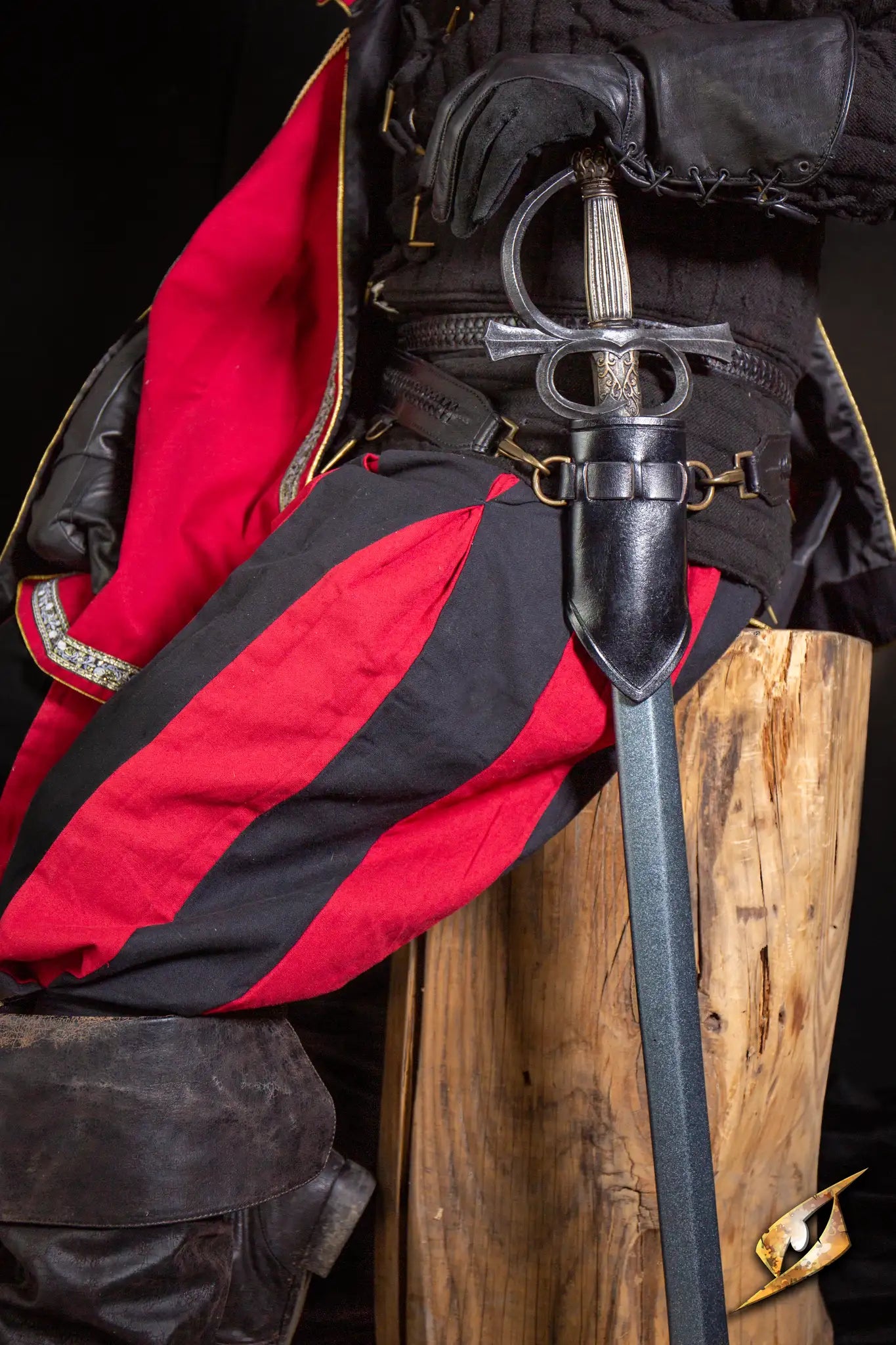
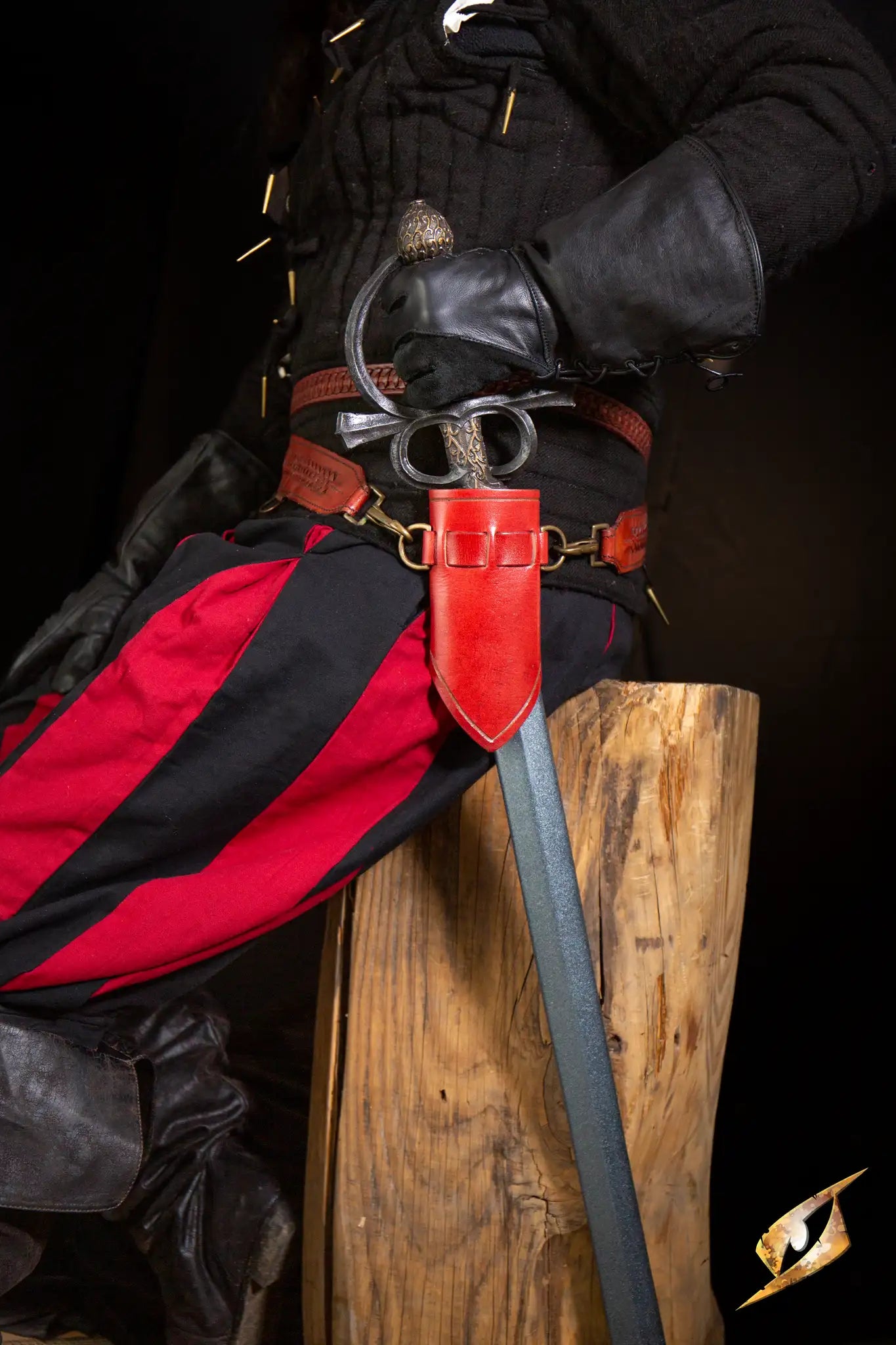
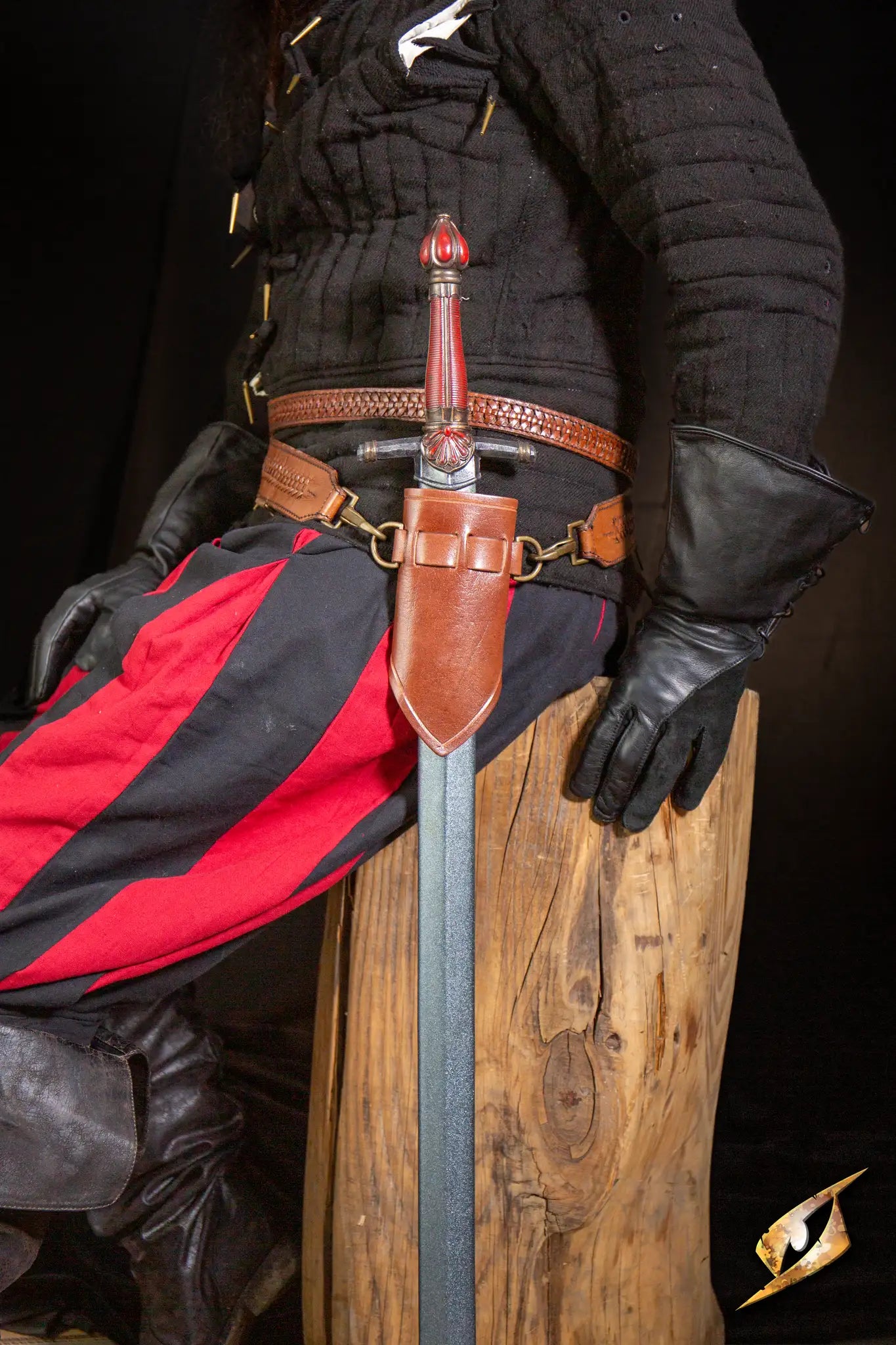
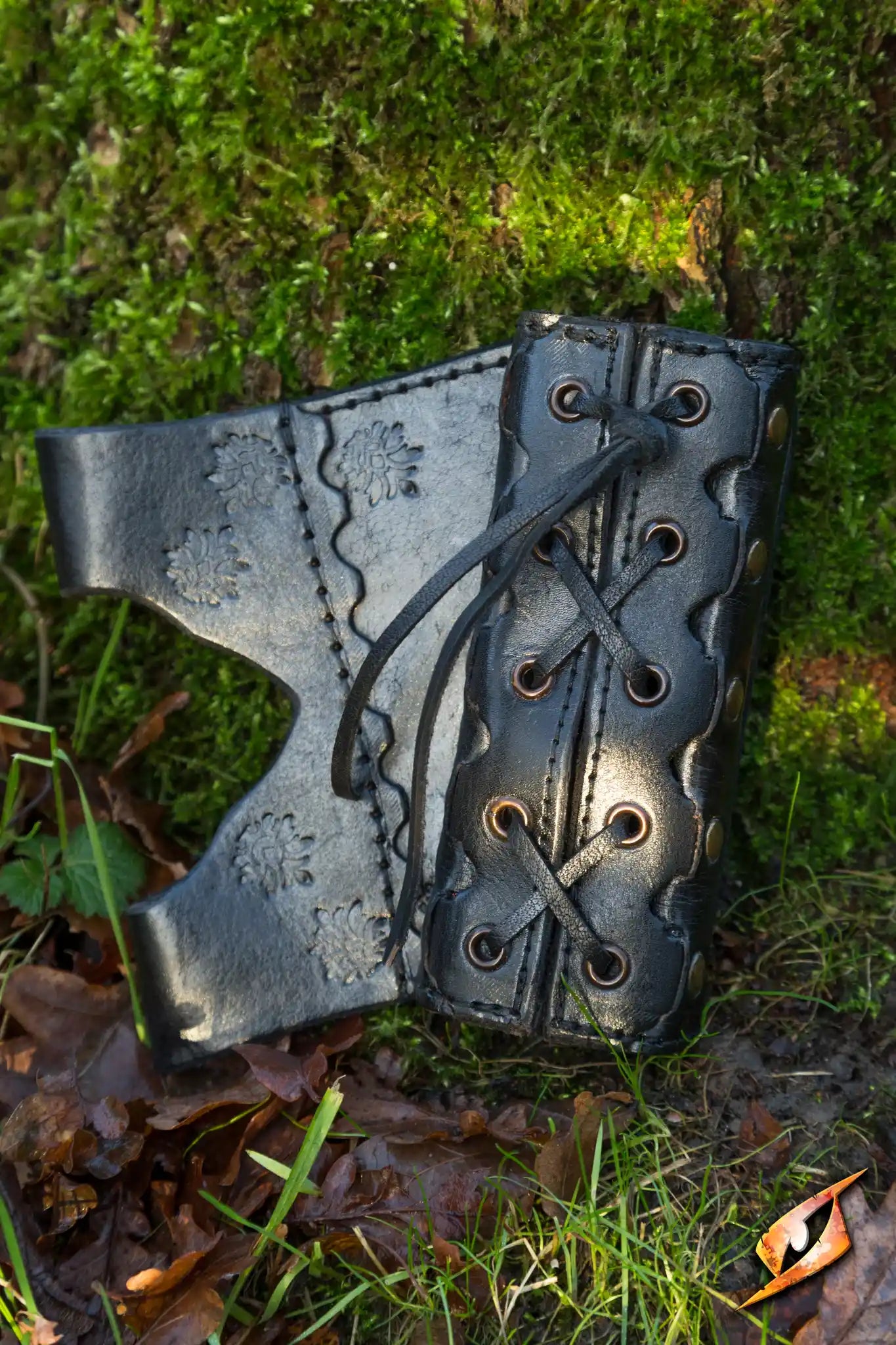
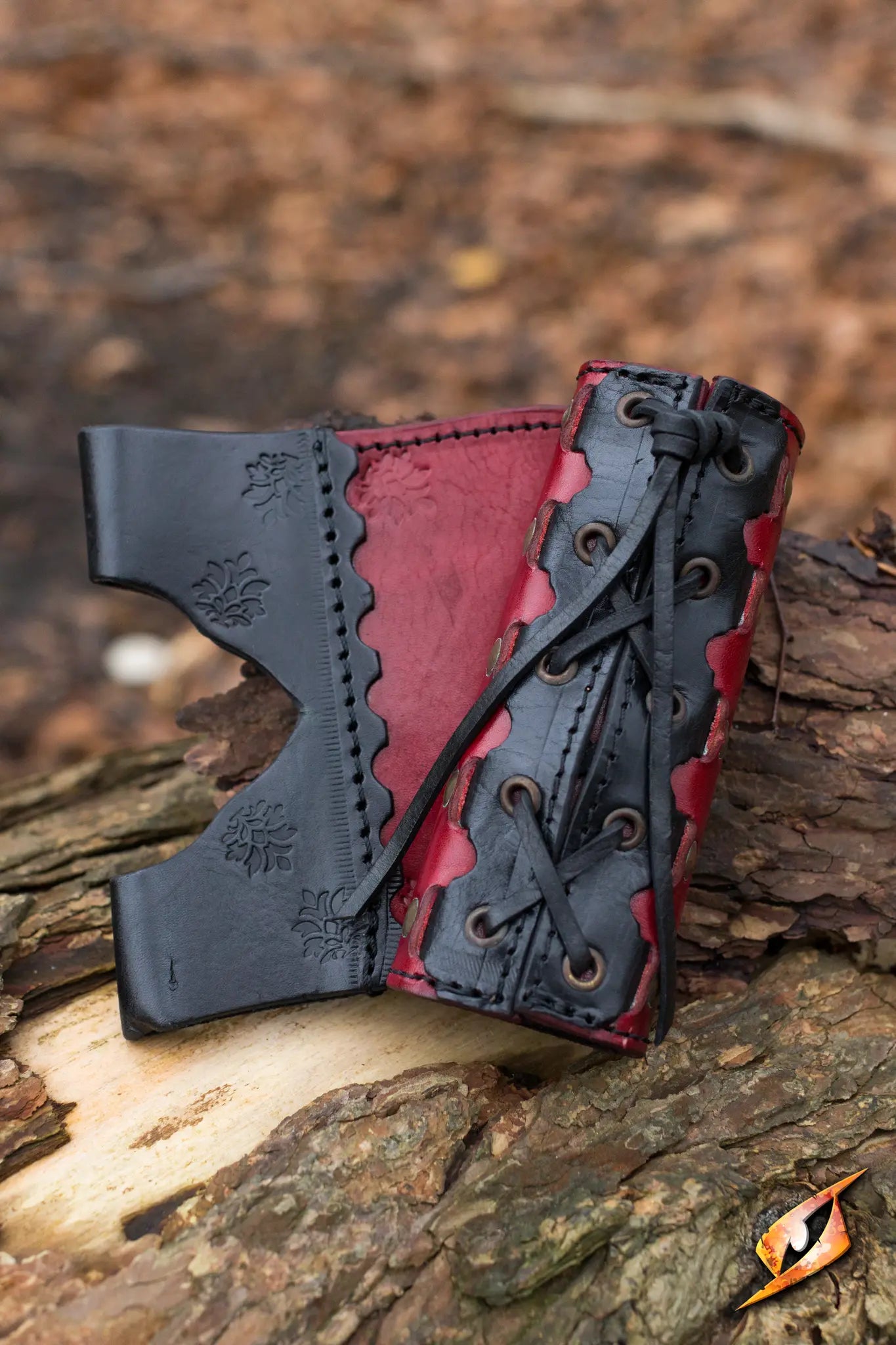
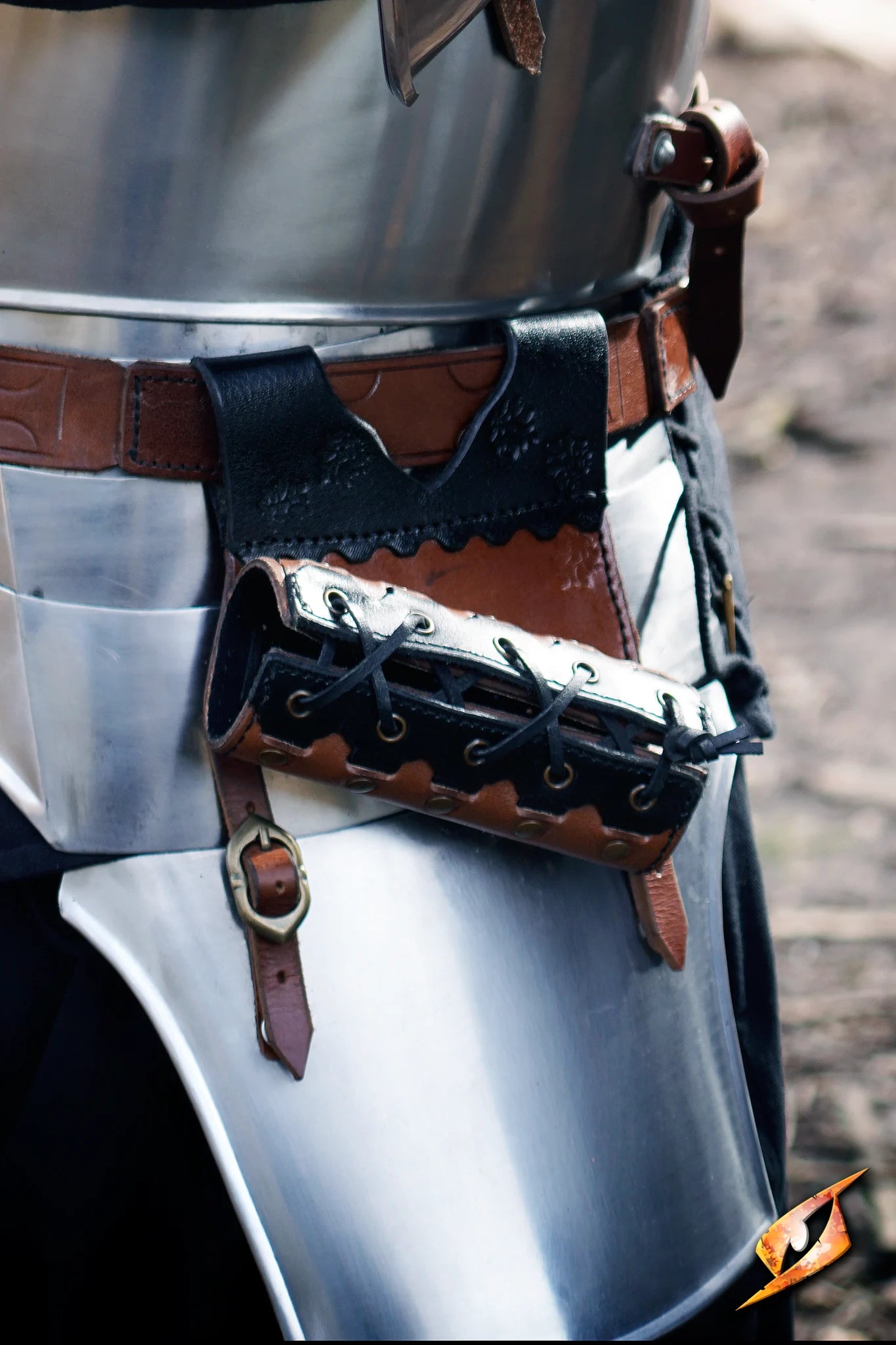
Scabbards, baldrics, and swordholders: Carry it the period way: a curved scabbard for your cutlass, an over-shoulder baldric that stays put when you run, or a swordholder that hangs from any belt you own.
Your First Pirate Sword
If you're starting out, the answer is simple: the Ready For Battle Sword Pirate, 75 cm. It's our bestselling pirate blade for a reason: moderately styled so it fits nearly any setting, very durable, priced for a first kit, and compact enough to qualify as a short weapon under many LARP rulesets, which often means fewer restrictions on where and how you fight with it. Check your event's rules, but short and vicious is historically accurate anyway. Add a dagger later for a backup, and a scabbard when you're tired of holding it.
Costume Prop and LARP Weapon in One
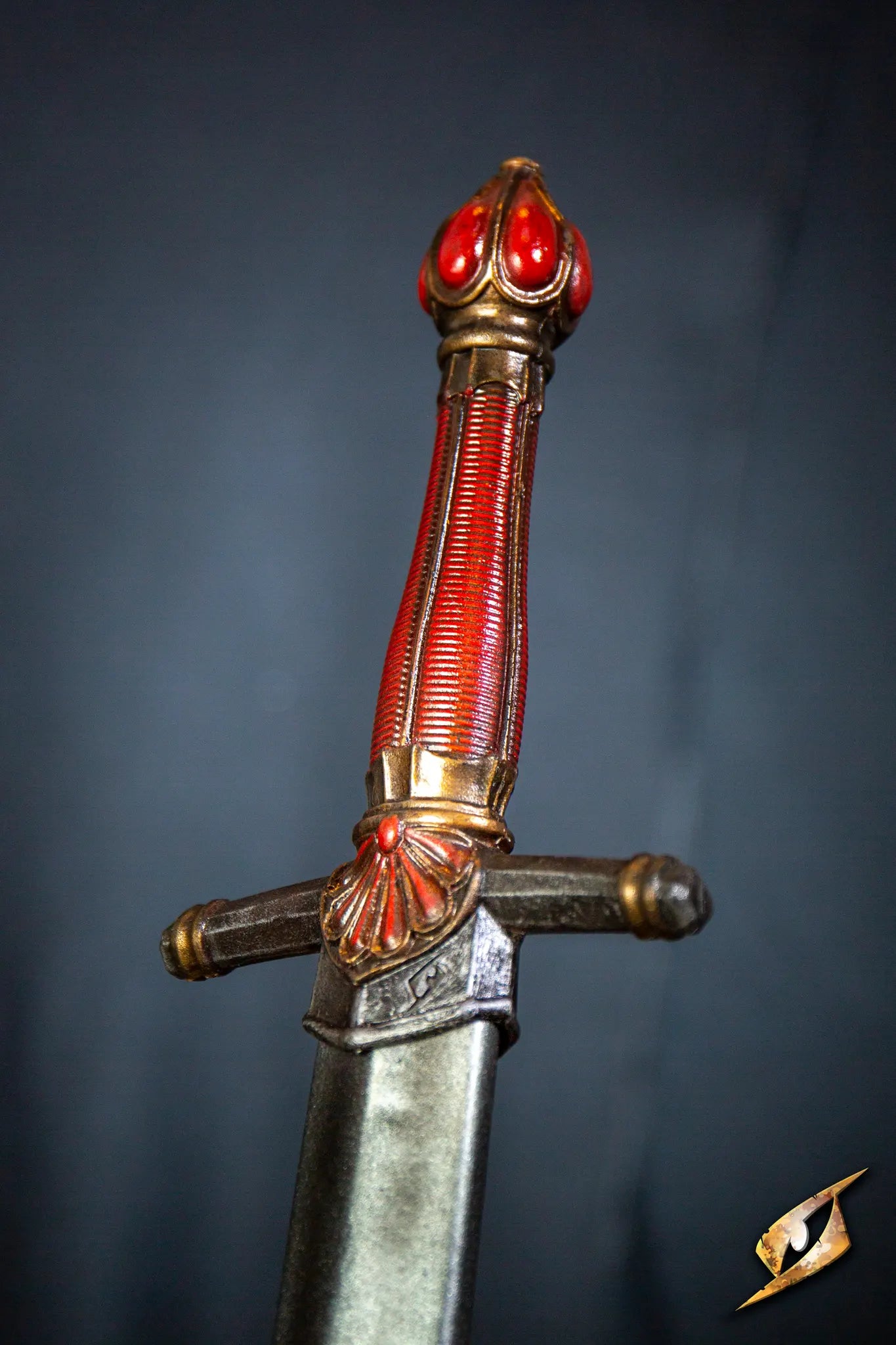
This is what separates a foam sword from a plastic costume prop: you can actually fight with it. The same blade that completes your outfit at a faire passes weapon check at your next LARP. And for pure costume use it simply looks better, with hand-finished detail, realistic guards, and wrapped grips instead of hollow plastic shine.
Why the Cutlass Ruled the Deck
Long blades are poor tools in rigging, low ceilings, and a press of bodies. The cutlass was short, stiff, and simple to learn, ideal for sailors who fought rarely but suddenly, and its broad guard doubled as knuckle protection. That practicality is why the cutlass became the pirate sword in history and fiction alike, and why it should probably be your first pick too.
Frequently Asked Questions
Are foam pirate swords safe for LARP fighting?
Yes, they're purpose-built LARP weapons with foam blades over a fiberglass core. Always follow your event's weapon check and combat rules.
Cutlass, saber, or rapier: which fits my character?
Cutlass for the classic deck-fighting pirate, saber or falchion for reach and slashing duels, rapier or smallsword for the refined duelist captain. There's no wrong answer, only fighting style.
Do I need a scabbard?
For costume wear, it's what sells the look and frees your hands. For LARP, it keeps your blade safe between fights. Match a curved scabbard to curved blades, and hang either from a baldric or swordholder.
How do I maintain a foam sword?
Store it flat or hanging, away from heat and direct sunlight, and check it before each event as your LARP requires. Latex-coated blades stay supple with occasional silicone treatment.
Can I bring one on a flight to a con?
Yes, in checked luggage. Foam blades are light, and packing one is far easier than shipping a steel replica.
Arm Yourself
Pick the blade that fits your fighting style, sheathe it properly, and dress the rest at mens or womens pirate costumes, pirate hats, and pirate boots.