



















Recently viewed products
Ready to Dye
Every Blank We Make, in One Place
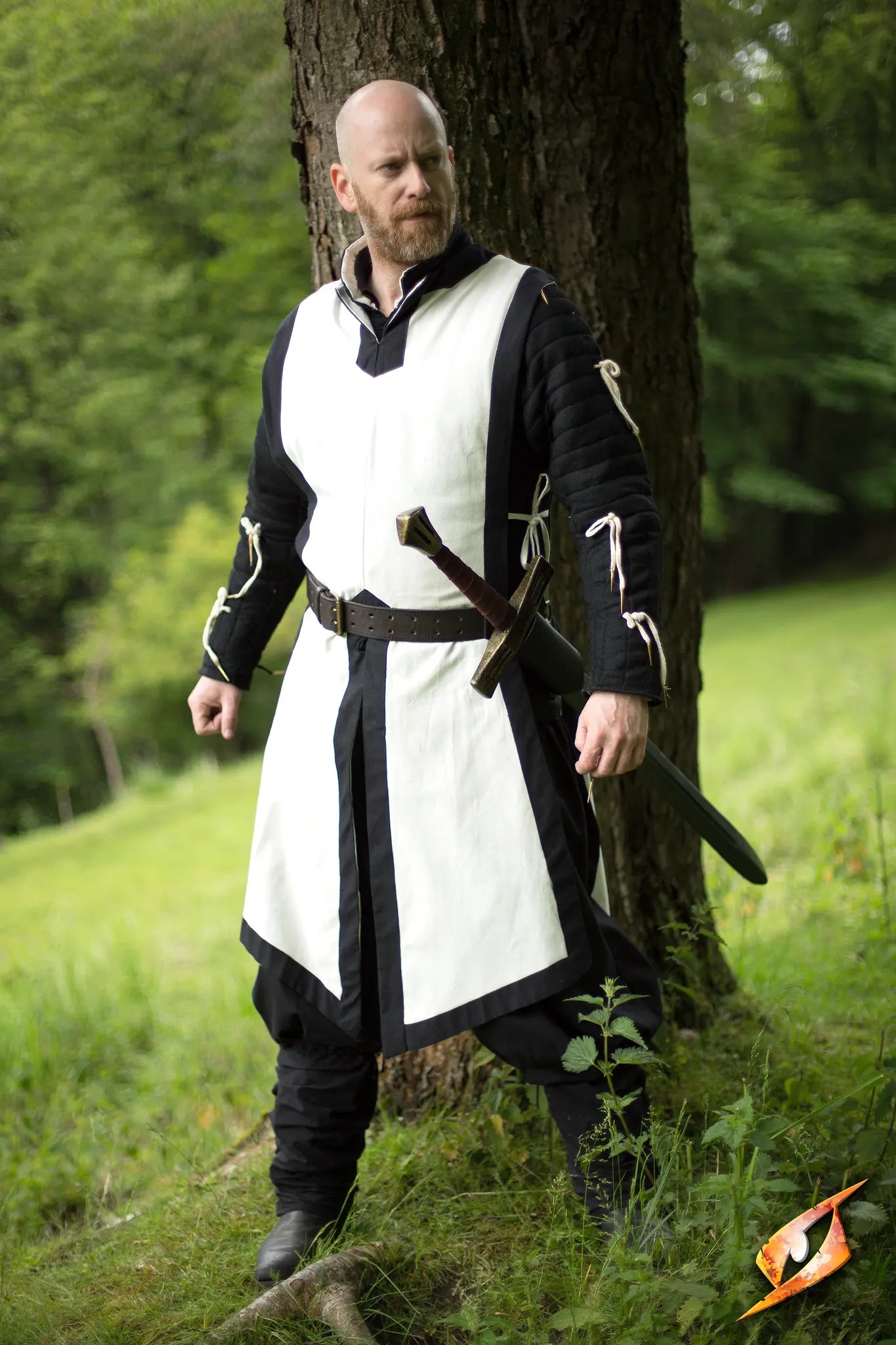
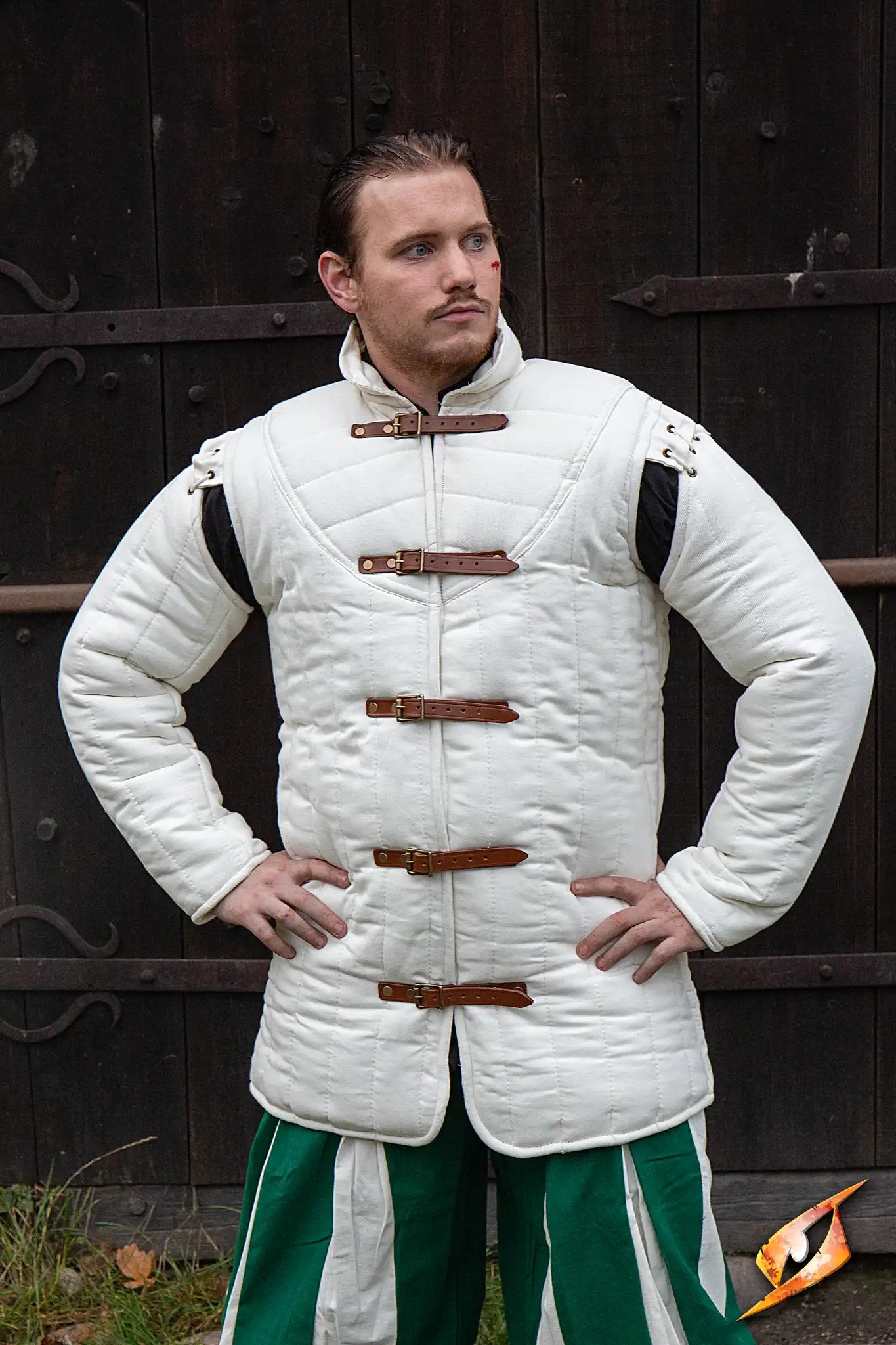
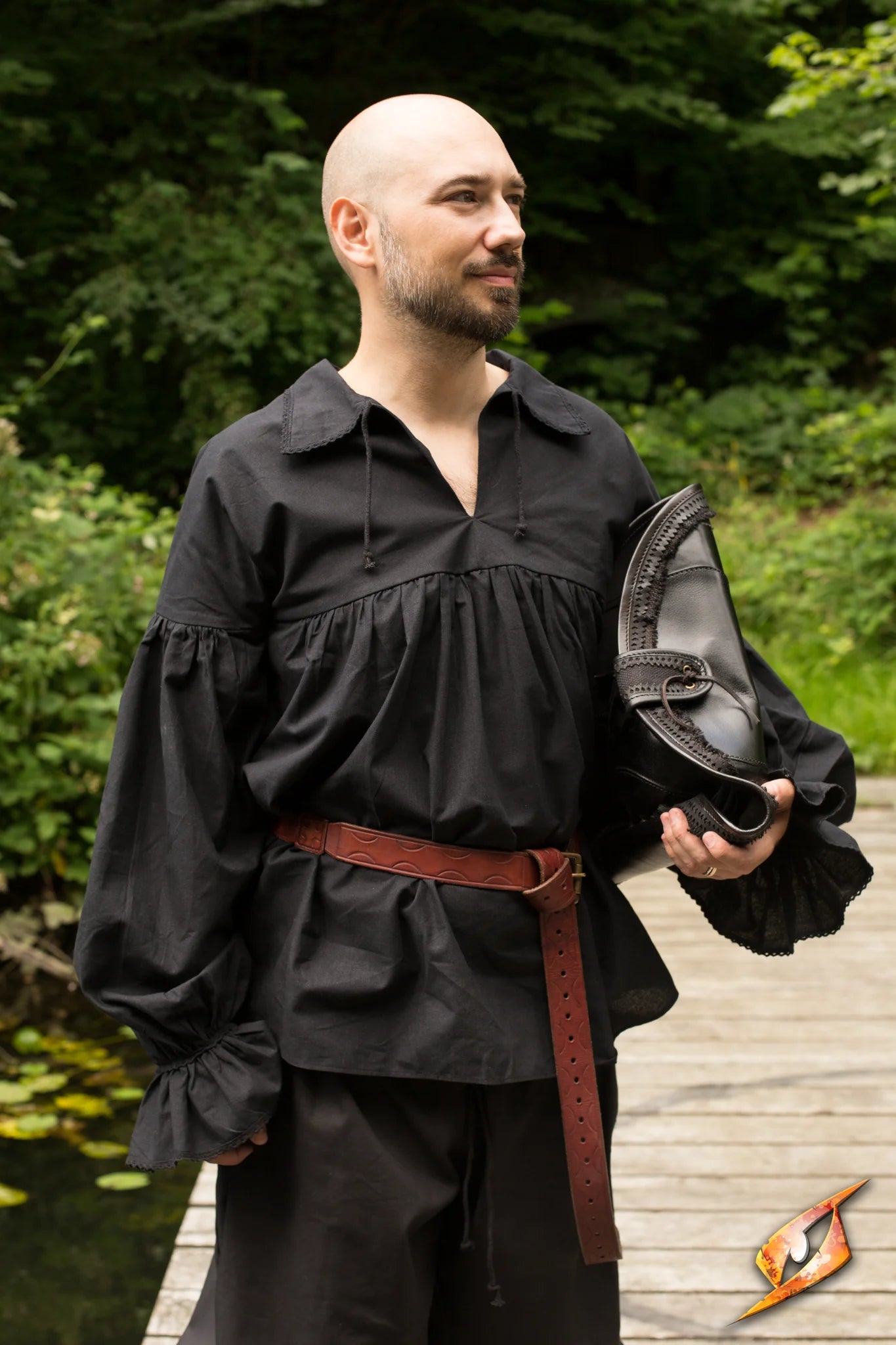
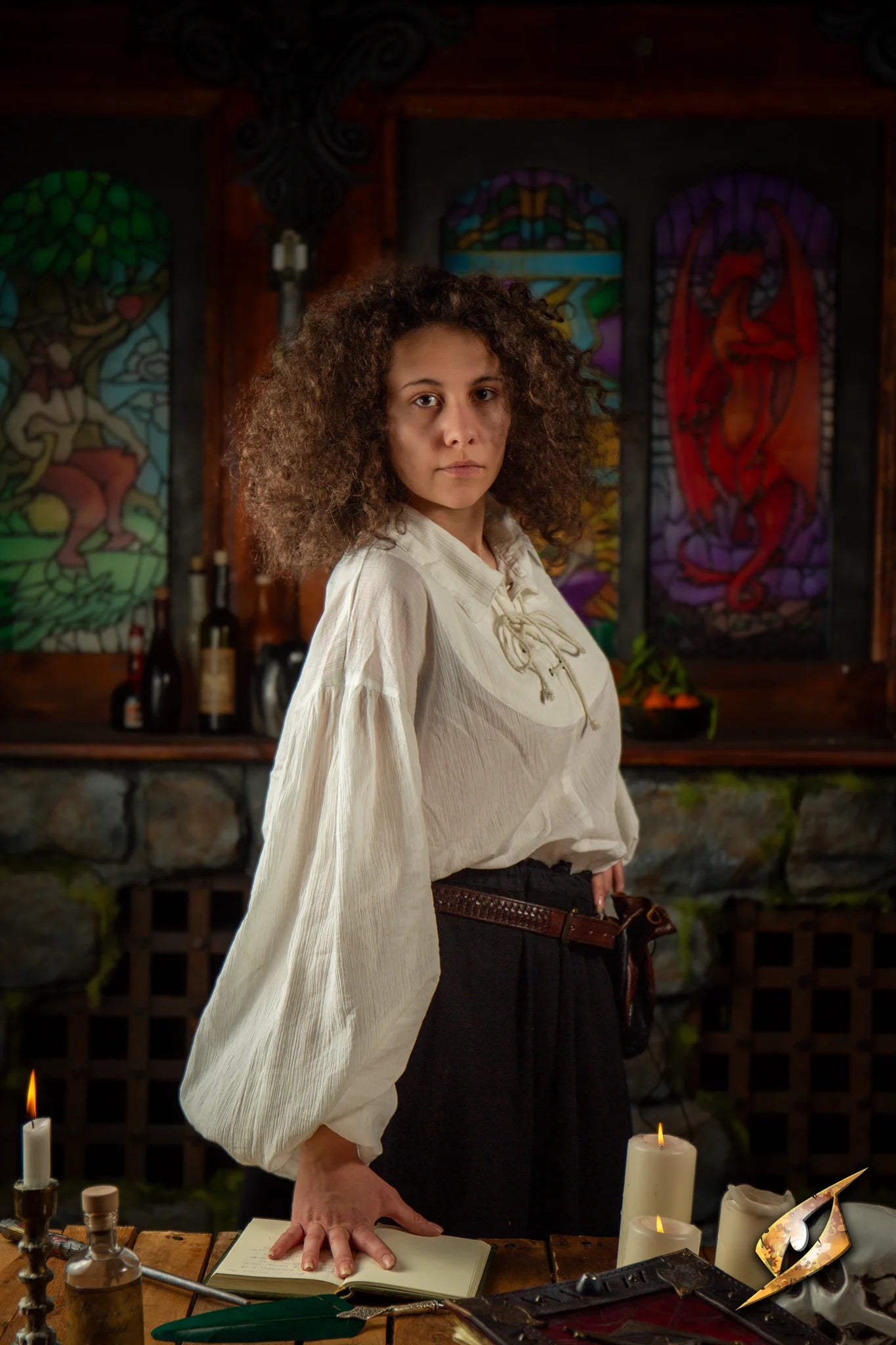
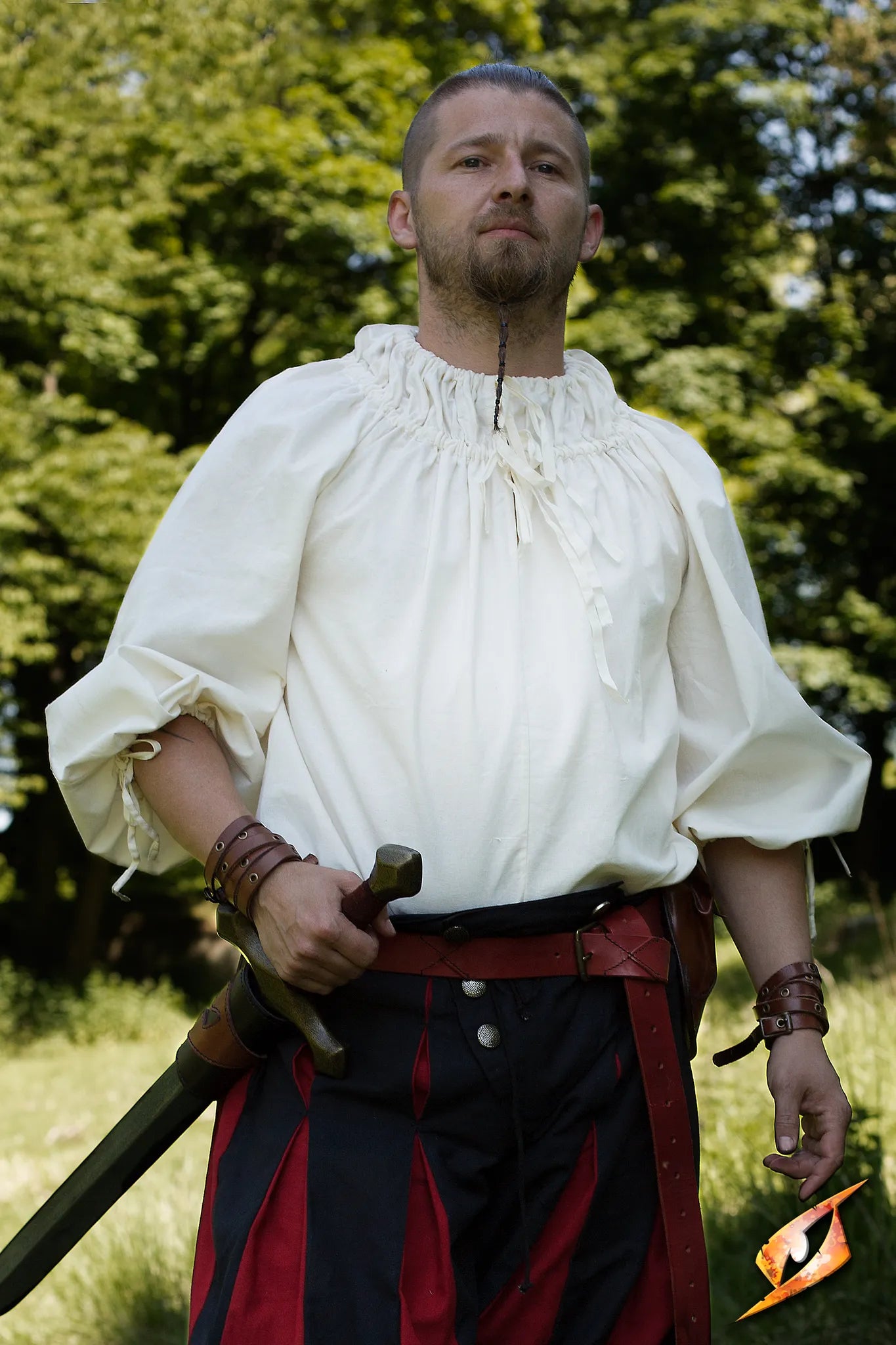
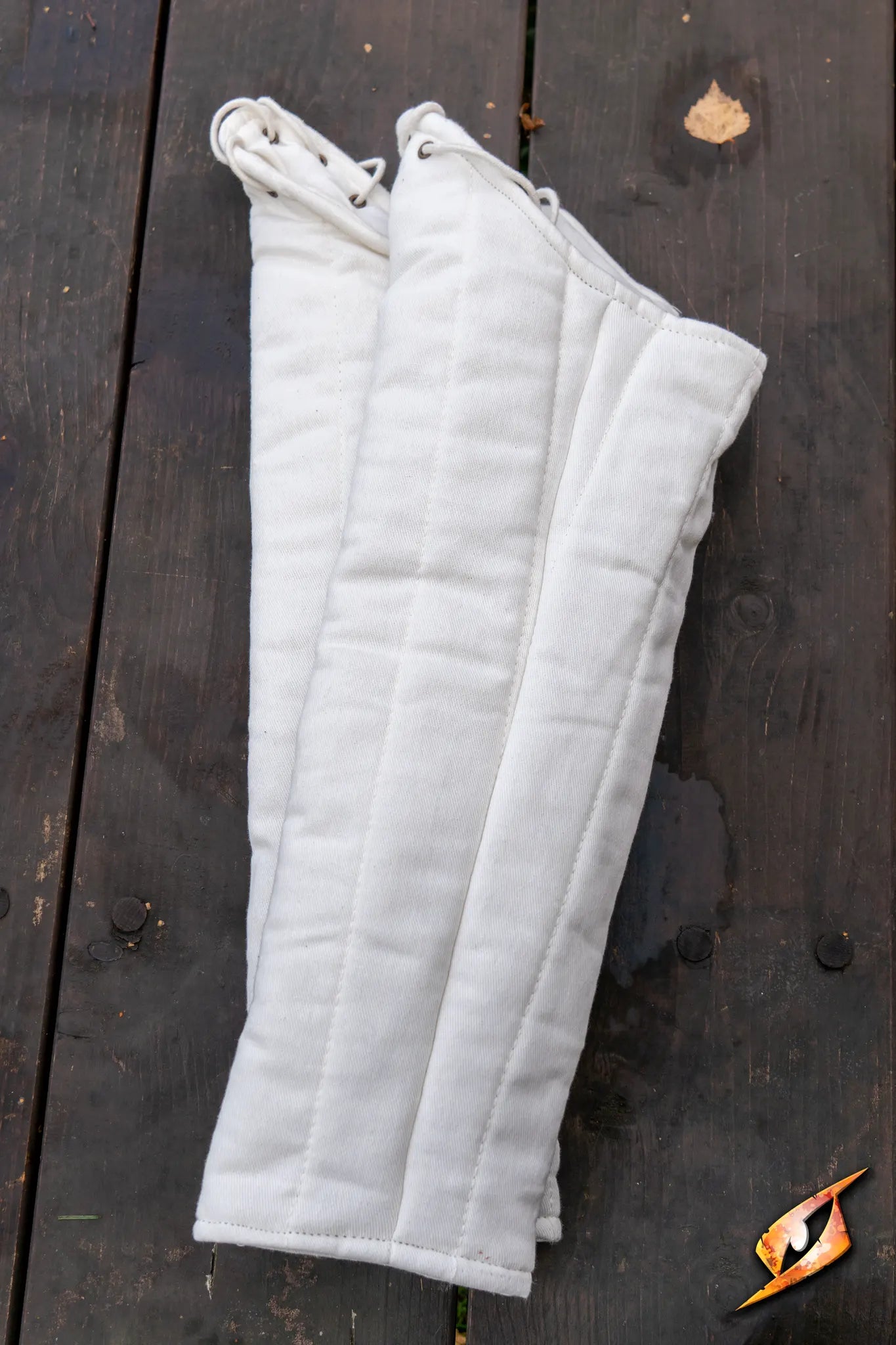
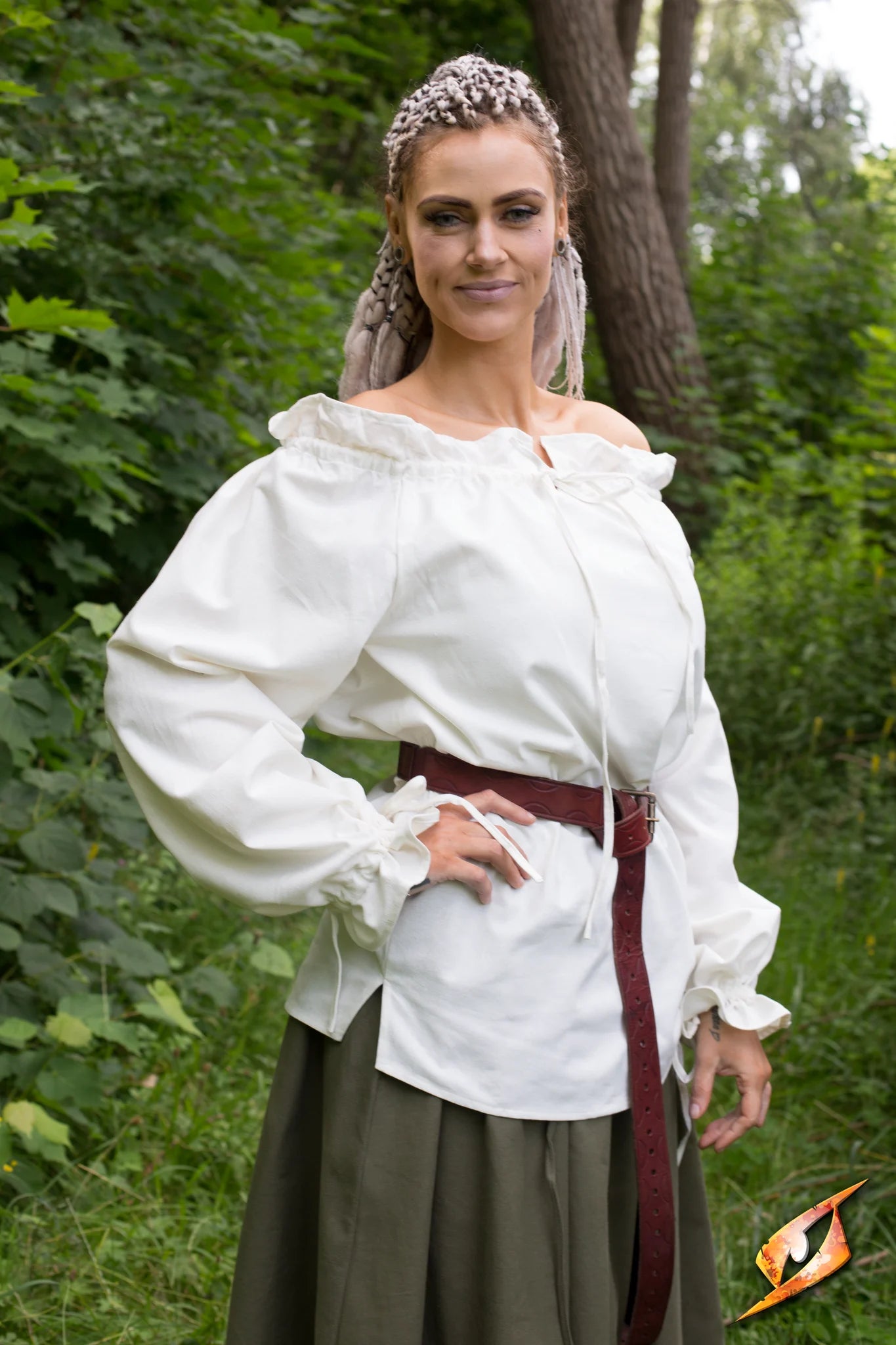
This is our entire catalog of white and natural textiles gathered into one collection: shirts, shifts, chemises, tunics, braies, veils, coifs, gambesons, tabards, and the odd battle standard. All of it cotton or cotton-dominant, all of it undyed, all of it waiting. You can wear any of it exactly as it is, since natural and bleached white are perfectly good historical colors. Or you can take it home, put a pot on the stove, and end up with something nobody else at the event owns. The name is a joke. The collection is not.
How Each Fabric Takes Color
Cotton dyes beautifully, which is why this collection exists. The pure cotton pieces take a standard household dye to full saturation, the color you see on the box is roughly the color you get.
The cotton and linen blends behave almost the same, with a slight difference worth knowing: linen fibers absorb a little less than cotton, so you get subtle tonal variation across the weave. People pay extra for that effect on purpose.
The cotton and polyester blends are the exception. Household dyes bind to natural fibers and simply slide off polyester, so a cotton-heavy blend comes out as a softer, lighter version of your target color, closer to a heathered or sun-faded tone than a saturated one. That is not a flaw to work around. For a peasant kit, a worn travel cloak, or anything that should look like it has been through three seasons of weather, a half-saturated finish is more convincing than a perfect one. Just go in expecting it rather than discovering it in the sink.
One more thing nobody warns you about: stitching often behaves differently from the fabric it holds together, and pale seams against a dyed garment are a common result. Most people decide they like the contrast.
Wash It Before You Dye It
These garments are not pre-washed, and dyeing means hot water and agitation. Run them through a wash first. You will get the shrinkage out of the way before the color goes in, which means the garment that comes out of the dye bath is the garment you actually own, and you will remove any finishing residue that would otherwise leave the dye blotchy.
Worth saying plainly: once you have dyed something, we cannot take it back. A dyed garment is too changed to return or exchange. Buy the size you want, wash it, check the fit, then open the dye.
Why Dye It Yourself
Because the color is yours. Faction colors never match across suppliers, and the shade in your head is rarely the shade in anyone's catalog. Mixing it yourself is the only way to get the exact green your order swears by.
Because campaigns change. The same tunic can serve three characters across five years if you are willing to overdye it. Dye always goes darker, never lighter, so plan the sequence and a yellow tunic can become green, then brown, then black.
Because kit gets ruined. Mud, blood effects, campfire smoke, and that one spilled mead have ended more garments than combat ever has. Overdyeing a stained shirt in a darker tone rescues it for the price of a box of dye instead of a replacement.
Because dyeing is its own craft. Plenty of people in this hobby came for the swords and stayed for the making. This collection is the raw material for that, and our blog has a piece on medieval dyeing if you want to go further than the supermarket shelf and into woad, madder, and weld.
Undyed Was Where Everyone Started
Color was expensive. Cloth came off the loom in the natural shades of its fiber, and everything after that was labor: plants gathered, mordants bought, baths tended, fabric dipped again and again for depth. Blue meant woad or indigo, red meant madder root or something far pricier, and the deepest blacks took so many passes that they signaled real wealth. The result is that undyed linen and wool were simply what most people wore, while a strong, even color was a visible statement about who could afford one. So when you dye a plain shirt a rich color, you are not just customizing kit. You are doing to it exactly what made clothing worth something for most of recorded history.
Frequently Asked Questions
What kind of dye should I use?
Any household dye made for natural fibers works on these garments. We do not sell dye, so pick whatever your local shop carries and follow its instructions.
Can I return something after I have dyed it?
No. Dyed garments cannot be returned or exchanged, so wash and check the fit before the dye comes out.
Will these shrink?
They are not pre-washed, so expect some shrinkage on the first hot wash. Wash before dyeing and you will have dealt with it before you commit to a color.
Can I dye over a color later?
Yes, as long as you go darker. Dye adds, it never removes, so each pass has to be deeper than the last.
What if I just want white?
Then you are done. Natural and bleached white are historically correct for undergarments, veils, shifts, and plenty of outer layers, and everything here is finished kit as it stands.
Can I dye only part of a garment?
Yes. Dip dyeing hems and sleeves, tying for pattern, or coloring just the tie strings are all easier than a full bath, and they are a sensible first attempt.
Make It Yours
Pick a blank, wash it, and decide what color your character has been wearing all along. Everything here is ready to wear as it is, and ready to become something else entirely.